Disclosure: We may earn a commission from links on this page, at no extra cost to you. How we earn
This article contains affiliate links. If you make a booking through these links, we may earn a commission at no extra cost to you. About & Affiliate Disclosure
Quick Answer
- Daily budget: a real backpacker spends around $25-50/day: dorm bed, market food, local transport, a few sights.
- Cheapest right now: Vietnam, Cambodia, the country of Georgia, Albania and Bolivia all sit near $25-40/day all-in.
- What kills a budget: peak-season coastal towns, fast movement (a flight or intercity ride every two days), and eating on tourist row.
- Two non-negotiables: a travel eSIM loaded before you fly and insurance that covers medical, evacuation and your gear.
- Slow beats far. Staying a week per stop, moving overland, is both cheaper and the thing you’ll remember.
Where to go



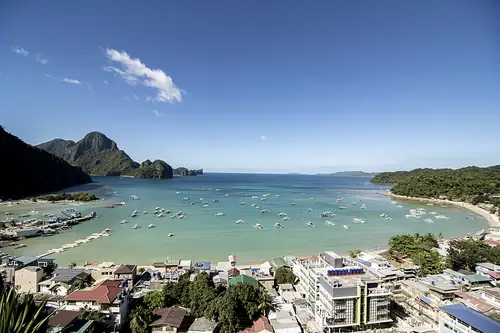

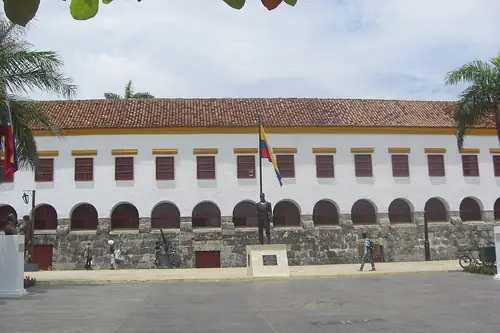




Backpacking Travel in 2026: Where Your Money Goes Furthest
You’ve got a bag, a rough number in your head, and an open-ended stretch of weeks you don’t want to waste on the wrong country. That’s the whole backpacking problem in one sentence: not where’s beautiful (everywhere’s beautiful), but where does €40 buy a bed, three meals and a bus ticket instead of one restaurant dinner.
Here’s the fast answer before the detail. In 2026 the places that still hand a backpacker the most trip per dollar are Southeast Asia, the Caucasus, the Balkans and the Andes. Think $25-40 a day rather than the $90-150 you’d burn through in Paris or Tokyo. The trick isn’t finding a secret cheap country; it’s matching the country to how you travel.
What a Backpacker Actually Optimizes For
A backpacker isn’t just a budget traveler with a bigger bag. The whole style is built around a different trade: you spend time to save money, and you keep your options open on purpose. Before you pick a destination, be honest about which of these you’re really chasing.
- Cost per day, not cost per trip. A three-month trip at $30/day ($2,700) can cost less than ten days of a mid-range holiday. The daily rate is the number that matters, so favour places where dorms, street food and local buses are all cheap at once: not just one of the three.
- Flexibility over a fixed itinerary. No pre-booked hotels, changeable onward tickets, the freedom to stay an extra week when a place clicks. That flexibility has a price (you rarely get the cheapest advance fares), but it’s the point.
- Long trips, slow movement. The single biggest budget leak is speed. Every intercity flight, every “let’s just do two nights here” adds transport cost and cuts the weekly-rate discounts hostels give. Slow travel is a money strategy, not just a vibe.
- Social, not solo-in-a-room. Dorms, common kitchens and hostel day-trips are half the reason to do it this way. If you’d hate a shared room, backpacking’s core saving doesn’t work for you, and that’s worth knowing before you book.
The honest trade-offs. You’ll trade comfort (12-hour buses, cold showers, a top bunk next to the door), predictability (the cheapest guesthouse doesn’t always exist when you arrive) and a bit of decision fatigue for the freedom and the price. The cheapest option is also not automatically the safe or the good one, a $4 dorm with no lock and one exit is a false economy. Read recent reviews, not just the price.
The 2026 Backpacking Shortlist
Southeast Asia: the classic first trip
Nowhere else combines this many cheap countries in one overland loop. Our budget travel guide to Southeast Asia breaks the numbers down country by country, but the short version: $25-45/day across the region, with Vietnam and Cambodia cheapest and Thailand a touch higher but wildly good value. Start in Bangkok, loop north to Chiang Mai, then across to Vietnam: the Thailand itinerary maps a first two weeks that most people extend. Bali and the rest of Indonesia slot on the end for a beach-and-rice-terrace finish.
The Caucasus and the Balkans: cheap, and close to Europe
If a 12-hour flight to Asia isn’t the plan, the value hides between Europe and Central Asia. The country of Georgia is arguably the best-kept secret going: dorm beds run around $8-14 in Tbilisi, khinkali and bread cost a few lari, and a week covering the capital and a couple of day trips fits inside $250-350. In Europe proper, Albania delivers Adriatic beaches on roughly €30-50 a day all-in (cheaper than Croatia, Greece or Montenegro), though July-August coastal accommodation roughly doubles, so aim for May-June or September. Our cheapest European countries guide ranks the rest, and Turkey bridges the two continents for very little.
The Americas: Andes value and the long overland
South and Central America reward the traveler with time. Bolivia is the continent’s price floor (dorms as low as $6, meals under $3, a genuine $25-40/day trip) while Peru runs $35-55/day outside Cusco’s peak and hands you the marquee sights. Further north, Colombia and Mexico pair low daily costs with short-ish flights from North America, which is why they’re the easy first Latin trip.
India: the deep end, at the lowest price
India is where the daily rate drops to almost nothing and the sensory load goes to eleven. It’s not the gentlest first trip, but for value per rupee (trains, thalis, palaces) little competes. Go in with realistic expectations and it rewards the effort like nowhere else.
| Destination | Backpacker daily budget | Best value season |
|---|---|---|
| Vietnam / Cambodia | ~$25-40 | Apr-Jun, Sep-Oct |
| Georgia (country) | ~$25-40 ($8-14 dorms) | May-Jun, Sep |
| Albania | ~€30-50 | May-Jun, Sep |
| Bolivia | ~$25-40 ($6 dorms) | May-Oct (dry) |
| Peru | ~$35-55 | Apr-May, Sep-Oct |
| India | ~$20-35 | Oct-Mar |
Figures are all-in per person (dorm, food, local transport, a few sights), current as of 2026 and drifting with season. Treat them as a planning baseline, not a promise, and check current prices before you book.
The Kit That Pays for Itself
Backpacking is the one style where a few small buys quietly protect the whole budget.
- A travel eSIM, loaded before you fly. Maps, Grab or Uber, hostel messages and border paperwork all need data the minute you land. See the best eSIMs for Asia or browse the full eSIM guides, a regional plan beats a queue at the airport SIM counter every time.
- Travel insurance you actually read. One hospital visit or a stolen bag can erase months of careful saving. Compare cover for medical, evacuation and gear in our travel insurance comparison and buy before you leave home.
- Pack light, pack smart. Packing cubes turn a 40-litre bag into something you can actually find things in, and a good power bank keeps your phone (your map, wallet and ticket) alive through a long bus day.
- A card that doesn’t punish you abroad. Foreign-transaction fees and bad ATM rates are a slow leak; a fee-free travel card is worth sorting before you go. Start with our travel credit card and money guides.
How to Plan a Backpacking Trip
Picking the country is the fun half. The other half is a sequence of unglamorous decisions that, done in the right order, stop a long trip from unravelling in week three. Here’s the order that works.
- Shape the route as an open-jaw flight plus overland legs. Use the multi-city search form to fly into one city and home from another, leaving the ground legs out of the ticket. Airlines price each half of an open-jaw as half a round trip rather than charging two one-way premiums, so it usually beats separate one-ways on long-haul, and it saves backtracking to your arrival city. Sequence the overland middle so each border crossing keeps your visa chain valid.
- Set a regional daily budget and multiply it by trip length. Beyond the shortlist above: Western Europe runs around $75-125 a day for a hostel-hopping backpacker, Eastern Europe and the Balkans around $40-90 (dorms in Budapest or Krakow cost roughly half the €17-45 you’d pay in Berlin or Barcelona), and Latin America around $30-80 depending on country, with Chile and Uruguay at the expensive end near $55-80. Whatever the number, add around 15-20% buffer for the mid-trip surprises covered below.
- Book hostels on a two-speed rule. Hostelworld’s own guidance: major festivals (Oktoberfest, Carnival, Songkran) and hotspots like Barcelona in August sell out 2-3 months early, ordinary peak-season city stays need around 4-6 weeks, and off-season or second-tier towns can stay book-two-days-ahead flexible. Always book the first 1-2 nights after any international arrival so you have an address for arrival cards and onward-proof questions.
- Buy insurance that renews monthly, not a fixed-dates policy. Open-ended trips break fixed-date cover; subscription policies fit better, and SafetyWing’s Nomad Insurance Essential runs around $56 per 4 weeks for travelers aged 10-39 with a $250 deductible, renewing until you cancel. Whichever insurance you pick, confirm emergency medical evacuation is included and save the 24/7 assistance number offline.
- Audit the visa chain and proof of onward travel for every border, in order. Airlines check onward tickets at check-in and can refuse boarding, because carriers face fines cited around $3,500-10,000 per passenger refused entry at the destination. The Philippines requires visa-free tourists to hold a ticket out within 30 days, and Indonesia requires proof of exit within 30 days under its Immigration Law No. 6/2011, checked hardest for Bali arrivals.
- Start vaccinations 6-8 weeks before departure. Some courses cannot be compressed: rabies pre-exposure is 2 doses on days 0 and 7, and Japanese encephalitis (Ixiaro) is 2 doses 28 days apart finished at least a week before travel, so around 5 weeks of lead time on the standard schedule. A yellow fever certificate only becomes valid 10 days after the jab, then lasts for life under the WHO’s 2016 rule change.
- Build the money and documents fallback kit. Two cards from different networks kept in different bags, around $100 in dollars or euros as physical backup, and photos of your passport, insurance and vaccination certificate in cloud storage plus one printed copy separate from the originals. This kit is what makes every failure below survivable.
What to Do When Things Go Wrong
Long trips accumulate odds. Over three months something on this list probably happens to someone in your dorm, so here’s the recovery playbook, worked out before you need it.
Your passport is stolen
File a local police report the same day: insurers require it for theft claims, and embassies accept it as evidence of the loss. Then report the passport itself: US citizens file form DS-64 online and the State Department cancels the old book within 1 business day; UK citizens cancel via GOV.UK.
Book the earliest in-person appointment at your embassy or consulate. A US emergency passport is valid for up to 1 year and can be exchanged for a full-validity one free of charge within a year of issuance; a UK Emergency Travel Document costs 100 pounds, is usually ready 2 working days after the online application, and covers travel through up to 5 countries.
Visas in the stolen book are gone with it. Contact the immigration office of the country you’re in about replacing your entry stamp before you try to exit, and lean on those cloud copies of the photo page: they cut the friction at every step.
Your card or phone is stolen
Freeze first, report second. App-based cards like Revolut freeze instantly from any logged-in device; for bank cards, call the issuer’s international collect number. Visa’s Zero Liability policy requires issuers to restore funds from unauthorized transactions within 5 business days of notification, so speed of reporting is what protects the balance.
For the phone: log the theft (with the IMEI) at a police station for the insurance claim, remotely wipe it via Find My iPhone or Google’s Find My Device, then move your eSIM and two-factor codes to a backup device or a cheap local handset. This is exactly why the fallback kit keeps a second card in a second bag and printed backup codes for your email account.
You run out of money
Family can wire funds through Western Union or Wise in minutes anywhere you can show ID, and hostels routinely take card advances or work-for-bed arrangements while you regroup. If wallet and cards are all gone, US citizens can use the State Department’s OCS Trust: family sends money through the Office of Overseas Citizens Services for a $30 fee (charged once per fiscal year), transfers typically reach OCS within 30 minutes via Western Union, and the embassy disburses the cash locally.
The true last resort is a US repatriation loan (form DS-3072), but you surrender your passport until it’s repaid. Prevention is cheaper: keep around one week of budget untouched in a second account.
You get sick abroad
Call your insurer’s 24/7 emergency assistance line before treatment whenever possible: it directs you to approved hospitals and can arrange direct billing or a guarantee of payment. US embassies and consulates keep lists of local doctors and hospitals and answer 24/7 on 888-407-4747 (or +1 202-501-4444 from abroad), but the US government never pays private medical bills.
Keep every receipt, discharge summary and prescription for the claim, and remember the deductible (SafetyWing Essential’s is $250) comes out of your own pocket first. For anything serious in a remote area, evacuation cover is the clause that matters, which is why step 4 above says to confirm it before departure.
You miss an onward flight booked on a separate ticket
Know this upfront: with two separate bookings there is no shared booking reference (PNR), so the second airline owes you nothing, no rebooking and no compensation, and the first airline’s liability ends at its own destination. Go straight to the second airline’s desk or app and buy the cheapest same-day or next-day replacement; some airlines offer discounted airport rescue fares, but none are obligated to.
Check whether your insurance includes missed-connection or travel-delay cover and file with the first flight’s delay confirmation. Then leave at least 24 hours between separately ticketed long-haul legs next time, and replace any onward ticket you just burned: your proof of onward travel for the next border may have disappeared with it.
You’re denied boarding for missing proof of onward travel
This happens at the check-in desk, not at the border, and it’s fixable on the spot. Buy a real, cheap budget-airline flight out on your phone in the queue, to a neighboring country you actually plan to visit: a live PNR is what the agent verifies.
Avoid dummy-ticket rental services. A reservation that gets cancelled before you fly can strand you at the desk with nothing.
Sources
VoyageHacks checked the figures in the planning and recovery sections above against these primary sources in August 2026.
- US Department of State, Lost or Stolen Passport Abroad, https://travel.state.gov/content/travel/en/international-travel/emergencies/lost-stolen-passport-abroad.html, checked August 2026
- US Department of State, Emergency Financial Assistance for US Citizens Abroad, https://travel.state.gov/en/international-travel/help-abroad/financial.html, checked August 2026
- GOV.UK, Travel urgently from abroad without your UK passport, https://www.gov.uk/travel-urgently-from-abroad-without-uk-passport/how-to-apply, checked August 2026
- CDC Yellow Book, Last-Minute Travelers, https://www.cdc.gov/yellow-book/hcp/preparing-international-travelers/last-minute-travelers.html, checked August 2026
- CDC Travelers’ Health, International Certificate of Vaccination or Prophylaxis, https://wwwnc.cdc.gov/travel/page/icvp, checked August 2026
- Visa, Zero Liability Policy, https://www.visa.com/en-us/personal/security/zero-liability-policy, checked August 2026
- Hostelworld, Seasonal Hostel Travel, https://www.hostelworld.com/blog/seasonal-hostel-travel/, checked August 2026
- SafetyWing, Nomad Insurance, https://safetywing.com/nomad-insurance, checked August 2026
- Thrifty Traveler, How to Book Open-Jaw or Multi-City Flights, https://thriftytraveler.com/guides/how-to-book-open-jaw-multi-city-flights/, checked August 2026
- The Savvy Backpacker, Backpacking Europe Cost, https://thesavvybackpacker.com/backpacking-europe-cost/, checked August 2026
- LATAM Travellers, Cheapest Latin America Countries 2026, https://latamtravellers.com/blogs/news/cheapest-south-american-countries-2026-daily-budget-guide, checked August 2026
- Respicio & Co., Return or Onward Ticket to Enter the Philippines, https://www.respicio.ph/commentaries/do-foreign-citizens-need-a-return-or-onward-ticket-to-enter-the-philippines, checked August 2026
- AirHelp, Self-Connecting Flight Rights, https://www.airhelp.com/en-int/blog/what-are-your-rights-for-self-connecting-flights/, checked August 2026
Frequently Asked Questions
What are the best backpacking destinations for 2026?
Southeast Asia stays the classic first trip: Vietnam and Cambodia run around $25-40 a day. For value closer to Europe, the country of Georgia and Albania both come in near $30-50 a day all-in. In the Americas, Bolivia and Peru lead on price, with Bolivia dorms as low as $6 a night. Pick by how far your money has to stretch and how long you want to be gone.
How much does backpacking cost per day in 2026?
A genuine backpacker budget is roughly $25-50 a day covering a dorm bed, street or market food, local transport and a few paid sights. Southeast Asia, Georgia, Albania and Bolivia sit at the low end near $25-40; Western Europe, Japan and Australia cost far more unless you cook, camp and move slowly. Peak season and coastal tourist zones can double your accommodation line.
Which is the cheapest country to backpack?
There’s no single answer, but the usual front-runners are Vietnam and Cambodia in Asia (around $25-40 a day), the country of Georgia in the Caucasus (dorm beds around $8-14), Albania in Europe (about €30-50 a day) and Bolivia in South America (from roughly $25 a day). All four combine cheap dorms, cheap local food and low transport costs.
Do I need travel insurance and an eSIM to backpack?
Yes to both. A travel eSIM gives you maps, ride-hailing and hostel bookings the moment you land, no airport SIM queue. Travel insurance that covers medical care, evacuation and your gear is non-negotiable on a long or remote trip, where a single hospital bill can dwarf the whole budget. Buy insurance before you leave and load the eSIM before you fly.
Is solo backpacking safe on a budget?
Generally yes, and millions do it every year. Petty theft in busy markets and on scooters is the main risk, not violent crime. Keep your phone in a front pocket, book transport through hostels or verified apps rather than touts, split your cash and cards, and trust hostel staff for current local advice. The cheapest option is not always the safe one, so read recent reviews.
Do airlines really check for proof of onward travel?
Yes, and it happens at check-in, not at the border: airlines face fines cited around $3,500-10,000 per passenger refused entry, so the desk agent is who asks. The Philippines requires an onward ticket departing within 30 days and Indonesia requires proof of exit within 30 days. A real, cheap budget-airline flight to a neighboring country satisfies the check; dummy-ticket services can be cancelled before you fly.
How far in advance should I book hostels when backpacking?
Use a two-speed rule based on Hostelworld’s own guidance: book 2-3 months ahead for major festivals like Oktoberfest or Carnival and for hotspots such as Barcelona in August, around 4-6 weeks ahead for ordinary peak-season city stays, and just a day or two ahead off-season and in smaller towns. Always lock in the first 1-2 nights after an international arrival so you have an address for arrival forms.
What should I do if my passport is stolen while backpacking?
File a local police report the same day, then report the passport (US citizens file form DS-64 and it is cancelled within 1 business day). At your embassy, a US emergency passport is valid up to 1 year; a UK Emergency Travel Document costs 100 pounds and is usually ready in 2 working days. Visas in the stolen book are lost, so ask local immigration about replacing your entry stamp.
Start With the Flight
Every backpacking trip really begins with one decision: where to land first, and where to fly home from. Open-jaw and multi-city tickets often beat a plain return, so compare before you lock in a route.
Find cheap long-haul flights to start your trip : then read the Southeast Asia budget guide, Georgia or Albania to plan the days after you land.