Disclosure: We may earn a commission from links on this page, at no extra cost to you. How we earn
This article contains affiliate links. If you make a booking through these links, we may earn a commission at no extra cost to you. About & Affiliate Disclosure
Quick Answer
- Airport to Seminyak: a Gojek ride from Ngurah Rai costs about 60,000 to 80,000 IDR, versus 200,000+ IDR for an unmetered taxi.
- Ubud has the best value for culture and nature; Seminyak for beach and cafés; Sanur for quiet and family travel.
- Eating cheaply: a warung nasi goreng or mie goreng with iced tea costs 25,000 to 40,000 IDR, and prices halve two streets behind the hotel rows.
- Ubud logistics: Ubud is about 90 minutes from Seminyak by car or scooter, and a one-hour traditional massage runs 100,000 to 150,000 IDR at local places.
- Book at least 4 to 6 weeks ahead in high season (July–August, Christmas–New Year); low season needs only 1 to 2 weeks.
The Best Budget Hotels in Bali Are Hiding in Plain Sight
Kuta is often the cheapest search result, and that is exactly why it’s the wrong area for most budget travelers: spend a little time on the map before booking and a far better neighborhood opens up for the same money. The best budget hotels in Bali are not in the cheapest suburb. They’re in the right neighborhood, at the right price, hiding behind names like “losmen” and “family guesthouse.”
Skip this if you’re after a five-star resort: Bali has those in abundance. But if you want $20 to $50 a night to buy you a serene compound with a rice-terrace view, a freshly squeezed juice at breakfast, and a warm family hosting you like a neighbor, this is the guide.
Find Your Hotel in Bali
Which Bali Area Is Right for You?
This is the question that determines your whole trip, and the one most travelers answer incorrectly because they sort by price before sorting by neighborhood. Here is an honest area-by-area breakdown. The same logic applies across Southeast Asia: if Bangkok is also on the itinerary, our best budget hotels in Bangkok guide and the Agoda review (often the sharpest-priced booking platform for this part of the world) are worth bookmarking too.
Ubud: Culture, Rice Terraces and the Best Value Guesthouses
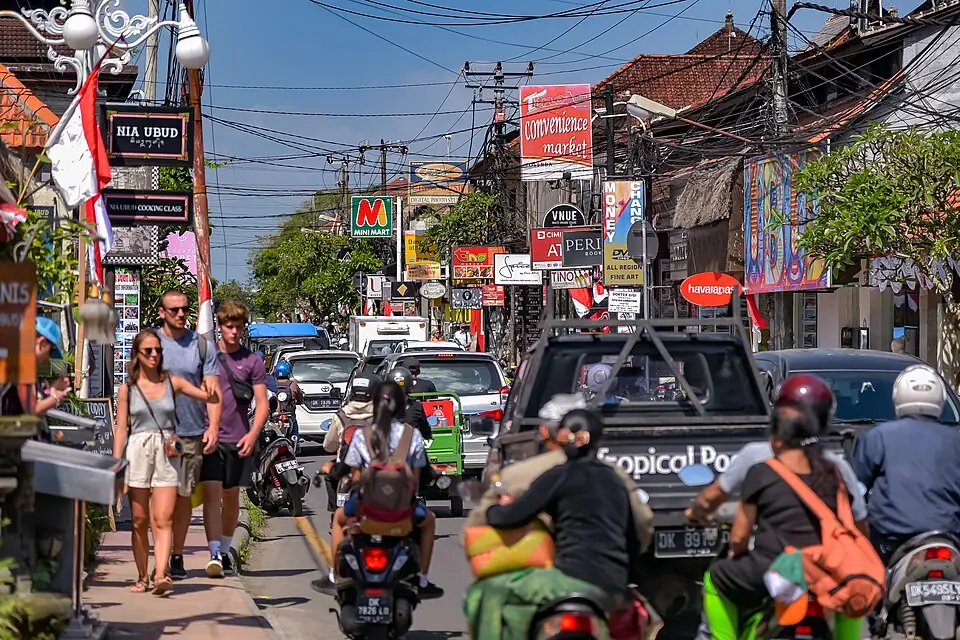
Ubud is Bali’s cultural heartland: monkey forest, artisan market, temple rituals, and the iconic Tegallalang rice terraces that you will have seen in every photo of the island. It sits inland in the hills, so there is no beach, but the cool air, the lush green and the sheer density of things to see and do on foot make it the best all-round base for a first-time visitor.
It is also where your budget goes furthest. Small family-run compounds rent spotless rooms with garden showers and a fruit breakfast from around $18 to $35 a night. The Indonesian rupiah stretches here, a bowl of nasi campur at a warung near the market costs around 35,000 IDR (roughly $2), and a one-hour traditional massage runs 100,000 to 150,000 IDR at proper local places rather than the tourist strip.
The catch is that Ubud is not close to the southern beaches. If you want to split your trip, it is about 90 minutes from Seminyak by car or scooter. Best for: first-timers, culture seekers, yogis, solo travelers, anyone who wants to understand Bali rather than just beach it.
Seminyak: Stylish Beach Base with Good Budget Options
Seminyak is where Bali gets upmarket, but upmarket in Bali is still relative, and the budget layer here is much better than the brochures suggest. Behind the big resort strip runs a mesh of side streets with family guesthouses and boutique budget hotels from around $25 to $50 a night. You are a 10-minute walk from a sunset beach, five minutes from a great café, and somehow still paying a fraction of what this address would cost in Thailand.
The vibe is relaxed and creative: independent coffee shops with rice-paddy gardens, boutique clothing shops, easy beach strolls, and occasional live acoustic sessions at cafés. There is no party framing needed here: Seminyak is simply pleasant to walk around. Best for: couples, design and food lovers, beach seekers who still want cafés, spa and style.
Canggu: Café Culture, Surf and Rice Fields
A few kilometres up the coast from Seminyak, Canggu has become Bali’s creative hub for younger independent travelers. The draw is strong: black-sand surf beaches, a stunning density of specialty coffee shops, co-working spaces tucked into rice-field compounds, and a loose, unhurried pace that makes you extend your stay.
Budget guesthouses run $25 to $45 a night. A few good homestays still exist on the quieter back roads. Traffic is the one genuine frustration, a scooter is nearly essential. Best for: surfers, remote workers, coffee addicts, travelers who want to feel local rather than tourist.
Kuta: Cheapest Beds, Most Tourist Noise
Kuta has the island’s lowest headline prices and the densest concentration of souvenir shops and tourist restaurants. The beach is long and good for sunset walks. But the atmosphere is the most aggressively commercial on the island, and most travelers who’ve been to Bali more than once base themselves elsewhere and only pass through Kuta.
If rock-bottom price is the single priority and you plan to spend most of your time on the move, Kuta works. Otherwise, the savings rarely justify the trade. Best for: pure budget, airport proximity (Ngurah Rai is just minutes away), one-night transits.
Sanur: Quiet, Family-Friendly and Underrated
Sanur sits on Bali’s calmer east coast, away from the surf crowds, with a long flat beach promenade perfect for cycling and morning walks. It has a genuine neighborhood feel: local warungs, morning market, and a mix of long-stay expats and Balinese families. It is also the departure point for the fast boat to the Gili Islands and Nusa Penida.
Budget rooms run $20 to $40. You will not find Canggu’s café scene or Ubud’s temple density, but Sanur rewards those who want to slow down. Best for: families, older travelers, anyone doing a Gili/Nusa day trip, and anyone burned out on hustle.
Uluwatu: Clifftop Views and Surf on a Budget
Uluwatu is a world apart from the rest of Bali, a dramatic limestone peninsula where temples cling to clifftops and world-class surf breaks crash below. Budget accommodation here is limited and spread out (a scooter is non-negotiable), but what exists is genuinely special: small surfer guesthouses perched above the Indian Ocean, some as low as $20 to $30 a night. Worth it for the views alone.
The Kecak fire dance at Uluwatu Temple at sunset is one of Bali’s unmissable experiences. Book a ticket and build a day around it. Best for: surfers, photographers, travelers who want drama over convenience.
Bali Area Comparison at a Glance
| Area | Vibe | Budget double (approx.) | Best for |
|---|---|---|---|
| Ubud | Culture, rice terraces, temples | $18–35/night | First-timers, culture, yoga |
| Seminyak | Beach, cafés, boutique style | $25–50/night | Couples, food, beach |
| Canggu | Surf, coffee, creative scene | $25–45/night | Surfers, remote workers |
| Kuta | Cheap, busy, commercial | $15–30/night | Pure budget, airport transit |
| Sanur | Quiet, flat beach, local feel | $20–40/night | Families, slow travel |
| Uluwatu | Clifftop drama, surf | $20–35/night | Surfers, photography, temples |
Homestays vs. Guesthouses in Bali: What to Expect
This is the choice that most guides skip, and it actually matters for your experience and your budget.
A homestay (often called a losmen in Bali) is a family-run property: typically a walled Balinese compound with a small temple, flower offerings each morning, and the owner’s family a few doors down. You usually get a private room with a fan or air-con, a simple cold or warm shower, and a fruit plate or rice breakfast included in the rate, often brought to a garden table each morning while the family arranges temple offerings in the courtyard. These start from around $15 to $20 and deliver an authenticity that no hotel app can manufacture.
A guesthouse is slightly more hotel-shaped, a purpose-built property with 8 to 30 rooms, a reception desk, and slightly more consistent service. Breakfast is sometimes included, sometimes not. These run $25 to $50 and suit travelers who want a little more distance between themselves and the family setting.
Both beat international chain hotels at the budget tier. The international brands in this price range in Bali often deliver less character and less value than a well-reviewed local guesthouse, because the franchise overhead is priced into the room.
When to Book Bali Hotels for the Best Price
Bali’s seasons drive prices more dramatically than most islands.
Low season (November to March): The west coast (Seminyak, Canggu and Kuta) gets afternoon rain showers. Ubud and the east (Sanur, Amed) stay drier, but even the west is rarely rained out all day. Budget rooms drop 25 to 40 percent. If you can handle the occasional wet afternoon, this is when $20 buys a genuinely lovely room.
Shoulder season (April–May, October): The rain eases, prices start to climb but haven’t hit peak. This is the sweet spot: good weather, thinner crowds at the temples and rice terraces, and rates that still reward flexibility. Book 3 to 5 weeks out.
High season (July–August, Christmas–New Year): Prices jump, the best guesthouses fill quickly, and the terraces at Tegallalang have waiting lines at sunrise. Book 6 to 10 weeks ahead, or you’re left with the rooms nobody wanted. The trade is perfect weather and a lively atmosphere.
Midweek trick: Bali gets a lot of Australian and Singaporean weekend visitors flying in Thursday or Friday. Tuesday and Wednesday nights consistently run 10 to 20 percent below the weekend rate at the same property.
Bali Budget Travel Tips That Actually Save Money
Get a SIM or eSIM before you land. Grab Maps, Gojek (Bali’s essential ride-hailing app) and your booking confirmations working offline the moment you touch down at Ngurah Rai Airport. A local SIM from the airport kiosks runs around 50,000 IDR, or activate a travel eSIM before you fly so you’re connected from the jet bridge.
- Activate before you fly: data works on arrival
- Plans for 200+ countries from a few dollars
- Keep your number; no physical SIM swap
Use Gojek for everything. Gojek is the local equivalent of Uber, and it is the honest budget traveler’s best friend in Bali. A 20-minute ride from the airport to Seminyak might cost 60,000 to 80,000 IDR by Gojek versus 200,000+ IDR for an unmetered taxi. Install it before you arrive.
Eat at warungs, not tourist strips. A warung is a small family-run food stall. These are where Balinese people actually eat. A full nasi goreng or mie goreng with iced tea costs 25,000 to 40,000 IDR. Two streets behind the hotel row in any area, prices halve.
Negotiate respectfully at the morning market. In Ubud’s central market, the first price offered for fruit, sarongs and handicrafts is a starting point, not a fixed price. A friendly counter-offer is expected.
Confirm all taxes in writing before booking. Budget rooms sometimes show a net price and add 11 to 21 percent on checkout. A room advertised at $22 can become $26 at checkout if you haven’t checked. “Does that include all taxes?” is the one question to ask.
Pros and Cons of Budget Travel in Bali
- Guesthouses and homestays from $15–25 a night with breakfast
- Extraordinary value at warungs and local markets
- High season has perfect beach and temple weather
- Hugely diverse areas, culture, surf, beach, terraces in one island
- Taxes (11–21%) often added to headline rates
- Scooter essential in Canggu and Uluwatu
- Traffic in south Bali (Kuta, Canggu) can be slow
- July–August and Christmas rates rise steeply
Book Tours & Activities for Your Trip
A great hotel is just the base: fill your days with skip-the-line tickets and local experiences booked in advance.
- Instant booking confirmation
- Free cancellation on most tours
- Skip-the-line tickets for top attractions
Frequently Asked Questions
How much does a budget hotel in Bali cost?
Budget guesthouses and homestays in Bali start at around $15 to $25 a night for a clean private room with a fan or air conditioning. Seminyak and Canggu tend to run $25 to $50 for a decent budget double, while Ubud and Sanur offer some of the cheapest well-kept rooms on the island from around $18 to $35.
What is the best area to stay in Bali on a budget?
Ubud offers the best value overall, with charming rice-terrace guesthouses from around $18 a night. Sanur is calm and affordable near the beach. Seminyak and Canggu cost a little more but give you great cafés, surf and beach access. Kuta has the cheapest beds but is the most touristy.
When are Bali hotels cheapest?
Low season runs from November through March, when the west coast gets more rain and prices drop noticeably. The shoulder months of October, April and early May hit the sweet spot of good weather and lower rates. July, August and Christmas to New Year are peak season. Book early and expect higher prices.
What is the difference between a homestay and a guesthouse in Bali?
A homestay (losmen) is usually a family-run property where you share the compound with the owners: cheaper, very personal, and often includes a fruit breakfast. A guesthouse is a small, independently run hotel with more rooms and slightly more hotel-style service. Both deliver far better value than international chain hotels at the budget end.
Do Bali hotels charge extra fees?
Most budget hotels in Bali quote room-only prices and add a service charge and government tax of around 11 to 21 percent on checkout. Always check whether the quoted price is net or plus taxes. Some smaller homestays include tax in the rate. Ask before you book.
Is Bali safe for solo travelers on a budget?
Yes. Bali is one of Southeast Asia’s most beginner-friendly destinations. Solo travelers, including solo women, stay in budget guesthouses across the island without issues. Keep the usual care with traffic (rent a scooter only if you’re confident) and watch for petty theft in very crowded areas.
Book Your Budget Hotel in Bali
A $22 family compound in Ubud with a morning fruit plate delivers more than most hotel breakfasts for a fraction of the cost. Bali’s budget accommodation scene rewards the traveler who looks one street off the main road and reads the reviews, not just the star rating.
Compare prices across every major platform before you commit: rates shift daily with the season, and the same room can vary by $15 to $20 depending on where and when you look. Browse more options in our hotels hub or plan the full trip in our destinations section. If you’re flying in, check our guide to cheap flights from Sydney to Bali too.
Compare all Bali hotel prices now