Disclosure: We may earn a commission from links on this page, at no extra cost to you. How we earn
This article contains affiliate links. If you make a booking through these links, we may earn a commission at no extra cost to you. About & Affiliate Disclosure
Quick Answer
- Tipping is not expected anywhere in New Zealand, a coin in a jar for great service is a bonus, never an obligation.
- Never enter a marae uninvited; if invited, remove shoes before the wharenui, don’t sit on tables or pillows, and expect a pōwhiri that may include a hongi.
- Respect wāhi tapu (sacred sites) and follow the Tiaki Promise. Leave every place as good as you found it.
- Sandflies bite hard in Fiordland/Milford Sound and the West Coast. Pack strong repellent and cover ankles/wrists at dawn and dusk.
- UV is very high even on cool, overcast days: sunscreen and a hat, every day outdoors.
- Drive on the LEFT, and give way correctly at the country’s many one-lane bridges.
- Freedom camping requires a current “green warrant” self-containment certificate (mandatory since 7 June 2026).
- Emergency number is 111 (Police, Fire, Ambulance): free from any phone, even with no credit.
- Evenings, done right: Queenstown’s evening scene runs on the Skyline gondola, flat whites and Fergburger-style food.
The One-Lane Bridge Rule Visitors Miss
Hundreds of one-lane bridges cross New Zealand’s river gorges, especially on routes like Queenstown to Glenorchy, and most carry no traffic light. Instead there is a small sign with an arrow pointing one way and a second arrow pointing the other: the approach signage, not instinct, decides who crosses first. It isn’t a suggestion. It’s the actual rule, and guessing wrong on a single-lane crossing puts you nose-to-nose with someone doing 80 km/h.
That’s New Zealand’s etiquette in miniature: it’s rarely written as a list of “dos and don’ts” for tourists, because so much of it is quietly built into the country’s own rhythms: how you behave on a marae, how you treat a trail, how you read a bridge sign. Get the handful of things below sorted before you land, and the rest of the country stops feeling like a place with rules you don’t know yet.
Tipping: The Habit You Can Actually Drop
Tipping is the etiquette question every first-time visitor to New Zealand asks, and the answer is refreshingly simple.
- Tipping is not expected anywhere (cafés, restaurants, taxis, tour guides) because hospitality staff earn at least the NZD 23.15/hour minimum wage, tipping culture never took hold the way it did in North America.
- Rounding up a bill or leaving a coin in a café tip jar for genuinely great service is appreciated but never assumed, and staff won’t chase you down or look put out if you don’t.
- Don’t over-tip out of habit carried from another country. It can actually read as odd rather than generous here, since it isn’t the local norm being reinforced.
Māori Tikanga: What “Respectful” Actually Looks Like
This is the etiquette layer that matters most and gets explained least, because it’s rooted in living Māori custom (tikanga) rather than a tourist rulebook.
None of this requires fluency in tikanga before you land. It requires watching your host, asking rather than assuming, and treating an invitation onto a marae as a privilege rather than a photo opportunity.
The Tiaki Promise: New Zealand’s Leave-No-Trace Pledge
New Zealand markets its own etiquette expectation directly to visitors as the Tiaki Promise, a pledge to care for the land, sea and culture, and leave every place better than you found it.
- Stick to marked trails in national parks and Great Walks: Fiordland and the wider South Island alpine terrain are fragile, and shortcutting switchbacks erodes them fast.
- Pack out your own rubbish, even in remote spots with no visible bin: much of New Zealand’s back-country has none by design.
- Keep a respectful distance from wildlife: seals, penguins and dolphins along the coast are wild animals, not photo props, and approaching too closely stresses them and can be an offense.
- Follow local guidance at natural and cultural sites: rental-car and campervan companies, i-SITE visitor centers and most tour operators reference the Tiaki Promise directly, so it’s worth treating as the baseline expectation, not an optional extra.
Sandflies and Sun: The Two Things That Actually Ruin a Day
More trips get derailed here by sandfly bites and sunburn than by any social misstep, and both are avoidable with basic prep.
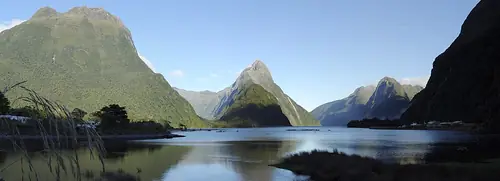
- Sandflies are a genuine nuisance in Fiordland (including around Milford Sound) and on the West Coast, especially at dawn and dusk near water. Pack a strong insect repellent and cover ankles and wrists rather than relying on repellent alone.
- New Zealand’s UV is very high, even on cool or overcast days: sunburn happens fast, so sunscreen and a hat are daily habits outdoors, not just a beach precaution.
- Layer for changeable mountain weather: Queenstown and Fiordland can shift from sun to rain to cold within a single day, especially outside the Dec–Feb summer window.
Driving Etiquette: Left, One-Lane Bridges and Freedom Camping
Getting around New Zealand is mostly self-drive, so a few driving-specific etiquette and safety points matter more than almost anywhere else on this list.
| Situation | What’s expected |
|---|---|
| Which side of the road | Drive on the LEFT, the same as the UK and Australia |
| One-lane bridges (common in rural/mountain areas) | Read the give-way signage at the approach; it decides who crosses first, not instinct or size of vehicle |
| Freedom camping | Vehicle must carry a current “green warrant” self-containment certificate (mandatory since 7 June 2026, replacing the old blue warrant) |
| Parking in Queenstown’s CBD | Metered/timed parking, tighter in ski season (Jun–Aug) and summer, check signage before leaving the car |
| Emergency | Dial 111 for Police, Fire or Ambulance (free, even with no phone credit); use 105 for non-urgent police matters |
The one-lane bridge is the detail that catches first-time visitors most: there’s no traffic light, just a small sign with arrows, and misreading it means meeting oncoming traffic on a narrow span rather than a simple faux pas. If you’re renting a campervan specifically to freedom camp, confirm its green-warrant certification with the rental company before you rely on it: an uncertified vehicle can be turned away from freedom-camping areas or fined.
Evenings: Gondola, Lakefront & Fergburger
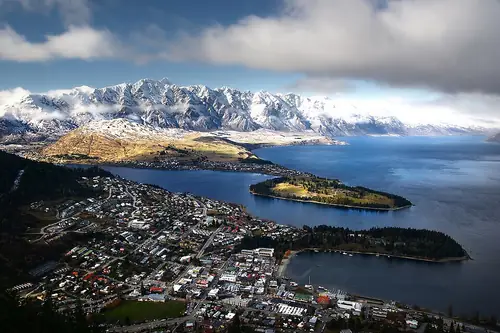
Queenstown’s real appeal after dark comes from mountain views, coffee culture and good food: the Skyline Gondola, flat whites and the lakefront promenade all come into their own once the sun goes down.
- The Skyline Gondola lifts you 450 m above town for evening views over Lake Wakatipu, with the luge and dining options open into the evening, a genuinely different experience once the light starts to fade.
- New Zealand’s flat-white café culture runs strong here, a flat white typically runs around NZD 5–6 (~$3–3.50), an easy way to warm up between activities or wind down after one.
- Fergburger-style casual dining (the well-known Queenstown burger joint on Shotover St runs around NZD 12.50–20 / ~$7–12 per burger) is the town’s real social currency in the evening, queues and all.
- The lakefront promenade is where Queenstown unwinds after a day of adventure: walkable, free, and full of people doing exactly the same thing.
Mistakes Visitors Make Most
| Mistake | Do this instead |
|---|---|
| Tipping out of habit | Round up only if you want to, it’s never expected |
| Wandering onto a marae uninvited | Visit only as part of an invited or organized cultural experience |
| Skipping insect repellent near Fiordland/Milford Sound | Pack strong repellent, cover ankles/wrists at dawn and dusk |
| Underestimating New Zealand’s UV | Sunscreen and a hat daily, even under cloud |
| Misreading a one-lane bridge | Read the give-way arrows at the approach before crossing |
| Freedom camping in an uncertified vehicle | Confirm the rental’s current green-warrant self-containment certificate first |
| Forgetting the NZeTA/IVL before booking flights | Apply online in advance, see below |
Entry Reminder: NZeTA and the Visitor Levy
Since this trips up more travelers than any social custom: you cannot board a flight to New Zealand without an approved NZeTA (New Zealand Electronic Travel Authority), applied for through the official app or nzeta.immigration.govt.nz. It covers US, UK, EU, Canadian, Australian, Japanese and other visa-waiver passport holders. It costs around NZD 17 (~$10) via the mobile app or around NZD 23 (~$13) via the web form, and every applicant also pays the mandatory International Visitor Conservation and Tourism Levy (IVL) of NZD 100 (~$58), bringing the total to roughly NZD 117–123 (~$68–71). The NZeTA is valid 2 years (or until passport expiry) for multiple entries, and each visa-waiver stay runs up to 90 days (UK passport holders up to 6 months): apply well before you fly, since there’s no fallback at the airport if it isn’t approved.
Staying Connected and Comfortable
Good etiquette extends to arriving prepared rather than winging it once you land. Airalo’s New Zealand eSIMs run on the One NZ/Spark networks, with plans from around $4 for a small short-validity pack up to around $49–89 for larger 50 GB+/longer-validity options: useful for checking one-lane bridge signage on maps, translating a menu, or confirming a trail closure before you commit to it. See our New Zealand eSIM guide for current plans before you land.
For where to base yourself while you get these habits sorted, our Queenstown hotel guide covers the CBD, Frankton and Kelvin Heights areas, and the New Zealand getting-around guide walks through self-drive basics, domestic flights and InterCity coaches in more depth.
Frequently Asked Questions
Is tipping expected in New Zealand?
No. Tipping is not expected anywhere in New Zealand, since hospitality staff earn at least the NZD 23.15/hour minimum wage. Rounding up a café bill or leaving a coin in a tip jar for genuinely great service is appreciated but never obligatory, and no one will chase you down for skipping it.
What should I know about visiting a marae in New Zealand?
Never enter a marae uninvited. It’s active Māori community space, not a tourist site to wander into. If you are invited, remove your shoes before entering the wharenui (meeting house), don’t sit on tables or pillows, and expect a pōwhiri (formal welcome) that may end with a hongi (the pressing of noses in greeting). Treat wāhi tapu (sacred sites) with the same care.
What is the Tiaki Promise?
The Tiaki Promise is New Zealand’s tourism pledge to care for the land, sea and culture and to leave every place better than you found it: practically, that means sticking to marked trails, packing out rubbish, respecting wildlife distance and following local guidance at natural and cultural sites. Most visitor centers and rental-vehicle companies reference it directly.
Do I need sandfly repellent in New Zealand?
Yes, if you’re heading to Fiordland (including Milford Sound) or the West Coast: sandflies are a genuine nuisance there, especially at dawn and dusk near water. Pack a strong repellent, cover ankles and wrists, and reapply; it’s a comfort issue, not a health risk, but an unprepared visitor gets bitten fast.
Which side of the road do you drive on in New Zealand?
New Zealand drives on the LEFT, matching the UK and Australia. The country also has hundreds of one-lane bridges, mostly in rural and mountain areas: approach signage tells you whether you or oncoming traffic has the right of way, and treating it as a normal two-lane bridge is a genuine safety mistake, not just an etiquette one.
What is New Zealand’s freedom camping green warrant rule?
Since 7 June 2026, any vehicle used for freedom camping (parking overnight outside a certified campsite) must carry a current ‘green warrant’ self-containment certificate, which replaced the old blue warrant. Check a rental campervan’s certification before relying on freedom camps, since an uncertified vehicle can be fined or turned away from freedom-camping areas.
Travel New Zealand Like You’ve Done This Before
Get the basics right: no tip expected, a marae entered only by invitation, repellent packed for Fiordland, sunscreen on daily, the correct side of a one-lane bridge, and a green-warrant campervan if you’re freedom camping, and the rest of New Zealand’s etiquette sorts itself out by watching the person, or the sign, in front of you. None of it is about fear of a misstep; it’s what turns a checklist trip into the kind where a bridge sign makes instant sense and you’re already through it before you’ve had time to worry.
Find flights to New Zealand | Compare Queenstown hotels
Keep planning with our New Zealand itinerary, New Zealand budget guide, getting around New Zealand and best time to visit New Zealand. Heading to specific spots? See our guides to Queenstown, Milford Sound, Rotorua and Abel Tasman. Compare more hotels, grab a data eSIM, or check travel insurance before you land.