Quick Answer
- Best time to visit Abel Tasman: December to March for warm, swimmable, calm bays. It’s New Zealand’s sunniest corner. November and April are the quieter shoulder.
- Where to stay: Marahau (southern gateway, at the park entrance), Kaiteriteri (beach + water-taxi hub), or Nelson city (an hour away, the most beds and the airport).
- You don’t walk the whole 60 km: water taxis drop you at a beach so you can hike just one scenic Coast Track section and boat back.
- Sea kayaking the golden bays is the classic way in. Book taxis and kayaks ahead in summer.
- No shops in the park: bring all your food and water, and check tide times for the estuary crossings.
Abel Tasman, Without the Rookie Mistakes
The 60-kilometre Coast Track is the number that scares off a lot of first-time visitors to Abel Tasman, who assume it means committing to a multi-day tramp with a heavy pack to earn those golden beaches. It doesn’t: take the water taxi out, walk one good section, and the boat picks you up. Half a day, and still back for dinner.
So here’s the short version this Abel Tasman travel guide is built around: come in summer (December to March) for warm, swimmable bays, base yourself in Marahau, Kaiteriteri or Nelson, and don’t try to walk the whole thing. Take a water taxi out to a beach, hike one scenic stretch of the Coast Track, and either boat back or trade the walk for a sea-kayak paddle through the coves. Do that and New Zealand’s smallest national park goes from “epic expedition” to “the easiest gorgeous day you’ll have on the South Island.”
You probably don’t need hiking boots and a four-day plan for this. You need to land in the right season, sleep near the right gateway, and understand that here you travel by boat and paddle as much as on foot. The thing most first-timers get wrong is assuming the park is one long walk, when the smartest way in is the one that floats.
What to pack for Abel Tasman
Four picks from our gear guides that suit this trip. Each card opens the live Amazon price; the links below lead to the full comparisons.
360-degree memory foam with asymmetrical sides, so you pick which side gets the most support instead of getting the same generic curve everywhere. It was the single most-purchased travel product among Travel + Leisure readers in 2025. The catch: even compressed to about 60% of its size in the included bag, it’s still bulkier than an inflatable.
Check price on Amazon Live price on AmazonThe cheapest way to find out whether you even like compression socks: three knee-high pairs in 15-20 mmHg, the range most often recommended for flying.
Check price on Amazon Live price on AmazonThe reliable all-rounder: one USB-C and four USB-A ports, plugs for 200+ countries, and a built-in fuse with a spare. The adapter most people should buy.
Check price on Amazon Live price on AmazonModel A1259, 10,000mAh, about 37Wh, 215 g. Two phone charges in a jacket pocket, and small enough that the two-bank limit never becomes a question.
Check price on Amazon Live price on AmazonGetting Around Abel Tasman
Here’s the mental switch that makes the park click: you don’t get around Abel Tasman by car, and you don’t have to do it all on foot either. You move by water taxi and kayak, and you walk the bits in between. Once that lands, the whole place opens up.
And honestly? Let the boat do the work. The water taxi ride out is half the experience. You skim past golden coves, the skipper points out seals on the rocks, and you start your walk somewhere you’d never reach on foot before lunch.
What Not to Miss
You can’t see all of Abel Tasman in a day, so pick a couple of things done well rather than a frantic checklist.
- A one-day Coast Track section with a water-taxi pickup. Take a boat out to Anchorage or Bark Bay, walk one gorgeous stretch of the track through native forest and over headlands, and have the taxi collect you from the next beach. All the scenery, none of the multi-day pack.
- Sea kayaking to a secluded cove. Paddle the sheltered golden bays to a beach you have largely to yourself: the calm, clear water here is made for it, and a guide handles the logistics if it’s your first time.
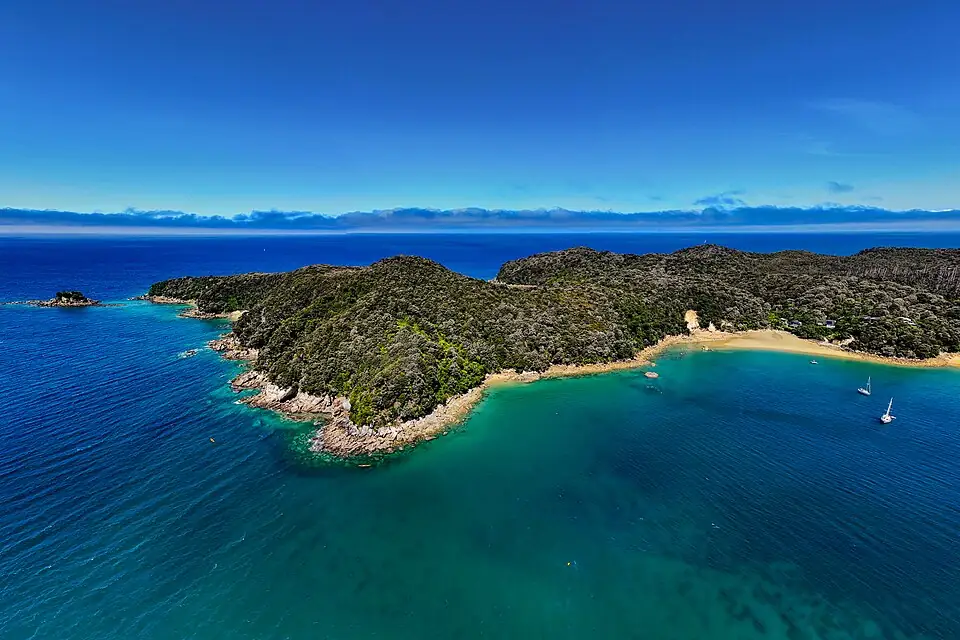
- The golden beaches. Anchorage, Bark Bay and Totaranui are the postcard trio: soft golden sand against forested headlands and turquoise water. Time your boat so you get an hour to just stop and swim.
- Spotting fur seals. Colonies haul out on the rocks and small islands along the coast; you’ll often drift past them by kayak or water taxi. Keep your distance and let them be.
- Split Apple Rock. The famous cleaved granite boulder sitting just offshore near Kaiteriteri: an easy, iconic photo stop you can reach by short walk, kayak or boat.
The quiet wins are free: a still morning on an empty golden beach, the forest going quiet as the day-trippers’ boat pulls away, the light off the water on the ride home.
Best Time to Visit Abel Tasman
Abel Tasman sits at the top of the South Island in New Zealand’s sunniest, most sheltered corner, which buys it a longer, kinder season than most of the country. The season you pick changes the water temperature, the crowds and the price more than the photos let on. The short answer: summer for swimming and paddling, shoulder for breathing room.
| Season | Weather | Crowds | Prices | Best for |
|---|---|---|---|---|
| Summer (Dec–Mar) | Warm, calm bays, 20–25°C | Heaviest | Peak | Swimming, kayaking, the golden beaches at their best |
| Autumn (Apr–May) | Mild, settled, cooler water | Easing | Good value | Walking the Coast Track, quieter beaches |
| Winter (Jun–Aug) | Cool, often wet, but bright spells | Low | Cheapest | Solitude, bargain stays, crisp clear days |
| Spring (Sep–Nov) | Warming, breezier, fresh | Building | Mid | Shoulder-season hiking before the summer rush |
A couple of things worth knowing: summer is when the bays warm up enough to actually swim and the sea stays calm enough for beginners to kayak, which is why December to March books out: reserve accommodation and water taxis weeks ahead over the Christmas-to-January holidays. Winter isn’t a write-off here the way it is further south; this region logs some of the country’s highest sunshine hours, so you can land a still, golden day with the whole beach to yourself. If you only care about price, June to August is the cheapest the park gets.
Where to Stay
There’s no road through Abel Tasman itself, so “where to stay” really means which gateway you sleep nearest. The park entrance is at Marahau; the beach scene is at Kaiteriteri; and the nearest proper city, with the airport and the most choice, is Nelson, about an hour’s drive away. Here’s how the bases compare.
| Base | Vibe | Distance to park | Best for |
|---|---|---|---|
| Marahau | Tiny gateway village, trailheads and kayak bases | At the southern entrance | Starting on foot or by kayak first thing |
| Kaiteriteri | Golden-sand beach, water-taxi departures | ~15 min to Marahau | Beach days + boat trips into the park |
| Nelson (city) | Small city, hotels, restaurants, airport | ~1 hr drive | Most beds and value, day-tripping in |
If you want to be paddling or walking the moment you wake up, Marahau puts you right at the trailhead, but it’s small, so book early. Kaiteriteri gives you a proper golden beach plus the main water-taxi launches, which makes it a lovely one-base summer choice. And Nelson is the practical play: the most hotels, the best places to eat, the airport, and an easy hour’s drive in each morning. Plenty of visitors stay in Nelson and treat Abel Tasman as a series of day trips. Compare live rates anytime on our hotels hub.
Frequently Asked Questions
What is the best time to visit Abel Tasman?
December to March is peak summer: warm enough to swim, calm bays for kayaking, and the golden beaches at their best, but also the busiest and priciest. Late spring (November) and early autumn (April) are the mild shoulder, with fewer people and lower rates. Winter is quiet, cool and often wet, but Abel Tasman is New Zealand’s sunniest corner, so even off-season days can surprise you.
Do I have to walk the whole Abel Tasman Coast Track?
No. The full Coast Track is about 60 km over several days, but most visitors never walk it end to end. Water taxis from Marahau and Kaiteriteri drop you at beaches along the coast, so you can hike just one scenic section (say Anchorage to Bark Bay), and catch a boat back. It turns a multi-day tramp into a doable day out.
Where should I stay to visit Abel Tasman?
Marahau is the southern gateway right at the park entrance, best if you want to start walking or kayaking first thing. Kaiteriteri has the beach and the main water-taxi departures. Nelson, about an hour’s drive away, is the nearest city with the most hotels, restaurants and the airport. Many people base in Nelson and day-trip in.
How do I get to Abel Tasman?
Fly into Nelson Airport (NSN), the closest gateway, then drive roughly an hour to Marahau, the main park entrance. There’s no road through the park itself: once you’re at the coast you move by foot, kayak or water taxi. Book a hire car for the Nelson-to-Marahau leg, as public transport is limited.
Is sea kayaking in Abel Tasman worth it?
It’s the classic way to see the park. Paddling the golden bays gets you to coves and beaches you can’t easily reach on foot, often with fur seals nearby and clear, sheltered water. Guided day trips and kayak-and-walk combos suit beginners; just book ahead in summer and check the forecast, as wind changes the plan.
Are there shops inside Abel Tasman National Park?
No. There are no shops, cafés or supplies inside the park, so bring all the food and water you’ll need for the day. Stock up in Nelson, Motueka or Marahau before you head in. Carry layers and sun protection too. It’s exposed coast, and the weather can shift quickly even in summer.
Start Planning Your Abel Tasman Trip
Get the season and the gateway right and Abel Tasman is far easier than its 60-kilometre reputation suggests. A water taxi out, one stunning section walked, a cove paddled, and a return to Nelson in time for dinner is a realistic shape for the easiest gorgeous day of a South Island trip. Come in summer, sleep near Marahau, Kaiteriteri or Nelson, let the boats and kayaks do the heavy lifting, and bring your own food and water.
Compare prices now and lock in your dates:
Find cheap flights to Nelson | Compare Nelson hotel prices
Planning the wider trip? See our best time to visit New Zealand guide and browse more stays on the hotels hub.