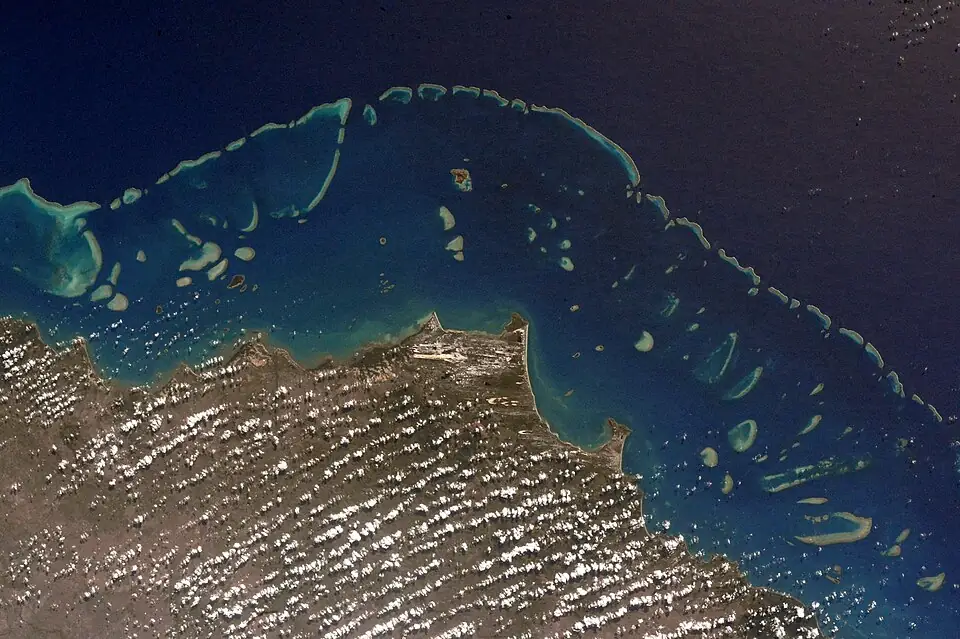
Quick Answer
- Best time to visit: June to October (the dry season): best visibility, calm seas, no marine stingers.
- Where to base: Cairns for the widest choice, Port Douglas for the northern reef + Daintree, Airlie Beach for the Whitsundays.
- Go to the outer reef: it has far better coral than the inshore reef: day boats and liveaboards both reach it.
- No diving needed: snorkelling the outer reef is spectacular; glass-bottom boats cover non-swimmers.
- Pick an eco-certified operator that visits healthy, resilient sites: better reef, better for conservation.
Great Barrier Reef, Done Right the First Time
A February reef day is often booked for the cheap fares into Cairns, and the water is bath-warm and gorgeous, but the morning is spent zipped into full-length lycra “stinger suits” because the marine stingers are in season. First-timers are rarely warned about this in advance. The dry-season months bring a completely different reef: glassy visibility, no suit hassle, turtles and reef sharks gliding past in the blue.
So here’s the short version this Great Barrier Reef travel guide is built around: visit in the dry season (June to October) for the clearest water and no stingers, base yourself in Cairns (or Port Douglas or Airlie Beach depending on which reef you want), get yourself to the outer reef rather than the inshore one, and pick an eco-certified operator. Do those four things and the reef delivers the postcard, without the rookie mistakes.
You don’t need a dive certificate, a fortune, or a marine-biology degree for this. You need the right season, the right launch point, and a boat that goes where the coral is actually good. The rest is just floating face-down and trying not to grin through your snorkel. The single thing most first-timers get wrong is which reef they book.
What to pack for Great Barrier Reef
Four picks from our gear guides that suit this trip. Each card opens the live Amazon price; the links below lead to the full comparisons.
360-degree memory foam with asymmetrical sides, so you pick which side gets the most support instead of getting the same generic curve everywhere. It was the single most-purchased travel product among Travel + Leisure readers in 2025. The catch: even compressed to about 60% of its size in the included bag, it’s still bulkier than an inflatable.
Check price on Amazon Live price on Amazon61 x 122 cm, listed at 120 g in navy, snap loop and a ventilated carry bag. Rainleaf says it absorbs five times its own weight, and it comes in six sizes. The one most travelers should buy first.
Check price on Amazon Live price on AmazonThe reliable all-rounder: one USB-C and four USB-A ports, plugs for 200+ countries, and a built-in fuse with a spare. The adapter most people should buy.
Check price on Amazon Live price on AmazonModel A1259, 10,000mAh, about 37Wh, 215 g. Two phone charges in a jacket pocket, and small enough that the two-bank limit never becomes a question.
Check price on Amazon Live price on AmazonGetting to the Reef
Here’s where most first-timers lose the magic before they’ve even gotten wet: they book the cheapest, closest inshore trip and wonder why the coral looks tired. Don’t. The good reef is the outer reef, and getting there is simpler than it sounds.
And honestly? Don’t over-plan the boat. Pick the season, pick an eco-certified operator heading to the outer reef, and let the skipper find the calm, clear water on the day. They know the reef far better than any itinerary you’ll build at home.
A few practical calls that save a rough morning:
- Beat seasickness on the crossing. The outer reef is a 90-minute boat ride or so; take a motion tablet before you board if you’re prone, and pick a calmer dry-season day.
- Pontoon vs. fast boat. A pontoon parks you on the reef all day with platforms, shade and gear, gentle and family-friendly. A smaller fast boat means more sites and fewer people, but a livelier ride.
- Book reef days early in your stay. That way a blown-out, windy day can be rebooked later in the week instead of missed entirely.
- Bring reef-safe sunscreen and a rash vest. The tropical sun is fierce on the water even when it doesn’t feel hot, and many operators ask for reef-safe products.
What Not to Miss
You can’t snorkel all 2,300 km, so aim for a handful of experiences done well rather than a checklist done badly.
- Snorkel or dive the outer reef. The headline act: coral gardens, giant clams, turtles and reef fish in clear blue water. Even as a snorkeller, this is the one to prioritise.
- Sail the Whitsundays to Whitehaven Beach. From Airlie Beach, the silica-white sand and swirling turquoise of Whitehaven and Hill Inlet are as famous as the reef itself.
- Take a scenic flight over Heart Reef. A small plane or helicopter from Airlie Beach or Hamilton Island reveals the reef’s scale, and the naturally heart-shaped coral formation you can only see from above.
- Pair the reef with the Daintree Rainforest. From Port Douglas you can do reef one day and the ancient Daintree the next: where rainforest meets the sea, two World Heritage sites side by side.
- Hop on a glass-bottom or semi-submersible boat. For non-swimmers or kids, these put the coral and fish right under you without anyone getting in the water.
The quiet wins cost little: a sunrise paddle off Port Douglas, the boardwalks of the Daintree at low tide, the long blue silence of floating over a coral bommie far from the boat.
Best Time to Visit the Great Barrier Reef
The reef is a year-round destination, but the season you pick changes the visibility, the comfort and whether you’re swimming in a stinger suit far more than the brochure suggests. The short answer: the dry season wins. Here’s how the two halves of the year actually compare.
| Season | Weather | Water & visibility | Stingers | Best for |
|---|---|---|---|---|
| Dry (Jun–Oct) | Sunny, 20–27°C, low humidity | Calm seas, clearest visibility | None, no stinger suit needed | Snorkelling, diving, the all-round sweet spot |
| Shoulder (Oct–Nov / May) | Warming/cooling, mostly fine | Generally good, the odd swell | Edges of stinger season | Fewer crowds, decent water, softer prices |
| Wet (Nov–May) | Hot, humid, 24–31°C, storms | Warm but murkier after rain | Marine stingers present, wear a stinger suit | Warm water, green rainforest, lower-season rates |
A couple of things worth knowing beyond the grid: the dry season is also peak whale season off the Whitsundays (roughly July to September), and it’s when the seas are calmest for the crossing if you’re prone to seasickness. The wet season isn’t a write-off (coral is just as alive and rooms are cheaper), but plan reef days around the forecast, and never skip the stinger suit between November and May.
Where to Base Yourself
The “Great Barrier Reef” stretches over 2,300 km, so where you sleep decides which slice of it you’ll actually see. There’s no single reef town. There are a few launch points, each opening a different part of the system. Here’s how the classic bases compare.
| Base | Reef access | Vibe | Best for |
|---|---|---|---|
| Cairns | Outer reef day boats, liveaboards | Buzzy, backpacker-meets-resort | Most choice, flights, first-timers |
| Port Douglas | Northern reef, Low Isles, Agincourt | Smaller, smarter, laid-back | Northern reef + Daintree combo |
| Airlie Beach | Whitsundays, Whitehaven, fringing reef | Sailing-town energy | Island-hopping, beaches, sailing |
| Reef pontoons / liveaboards | Anchored on the outer reef itself | Out on the water, no town | Maximum reef time, serious divers |
For a first trip, Cairns is the best base. It has the most operators, the cheapest flights and a boat for every budget. Port Douglas is the more relaxed, upmarket choice and the natural pick if you want to pair the reef with the Daintree Rainforest. Airlie Beach is the Whitsundays gateway, all sailing and white-sand beaches rather than coral-first diving. And pontoons or liveaboards put you out on the outer reef itself, more reef time, more money. Compare live rates anytime on our hotels hub.
Frequently Asked Questions
When is the best time to visit the Great Barrier Reef?
June to October (the dry season) is the sweet spot: clearer water, the best visibility for snorkelling and diving, calmer seas, and no marine stingers. November to May is warmer and wetter, with stingers in the water, so you’ll want a stinger suit. If you only care about underwater clarity, aim for the dry-season months.
Where should I base myself for the Great Barrier Reef?
Cairns is the main hub with the widest choice of day boats and flights. Port Douglas suits the northern reef and a Daintree Rainforest combo. Airlie Beach is the gateway to the Whitsundays and Whitehaven Beach. Reef pontoons and liveaboards put you closest to the outer reef, but cost more.
How do I actually get to the reef?
Fly into Cairns (CNS), the main gateway, or Hamilton Island/Proserpine for the Whitsundays. From Cairns, Port Douglas and Airlie Beach, day boats run out to the outer reef, which has far better coral than the inshore reef. Liveaboard trips reach the best dive sites, while pontoons cater to non-swimmers.
Do I need to dive, or is snorkelling enough?
You don’t need to dive at all. Snorkelling the outer reef is spectacular: much of the best coral and fish life sits just below the surface, easily reached on a mask and fins. Operators run snorkel-only trips, supply gear and flotation, and glass-bottom or semi-submersible boats cover anyone who’d rather stay dry.
Is the Great Barrier Reef worth visiting in 2026?
Yes. Despite coral-bleaching headlines, vast healthy stretches of reef remain, especially on the outer reef and at well-managed dive sites. Choosing an eco-certified operator that visits resilient sites gives you a vivid, fish-filled reef and supports conservation. Visit in the dry season for the clearest water and best odds.
What should I pack for a reef day trip?
Reef-safe sunscreen, a rash vest or stinger suit (essential November to May), a hat, a towel and motion-sickness tablets if you’re prone to seasickness on the crossing. Most operators supply mask, fins and a wetsuit or stinger suit, but bring your own if you have a preferred fit, plus a dry bag for your phone.
Start Planning Your Great Barrier Reef Trip
Get the season and the launch point right and the reef delivers everything the postcards promise. A stinger-suited, murky February trip and a July trip can cost about the same, but the July trip shows twice the reef. Aim for the dry season, base where the boats go to the outer reef, pick an eco-certified operator, and you don’t even need to dive to have the day of the trip.
Compare prices now and lock in your dates:
Find cheap flights to Cairns | Compare Cairns hotel prices
Planning the wider trip? See our best time to visit Australia guide and browse more stays on the hotels hub.