Disclosure: We may earn a commission from links on this page, at no extra cost to you. How we earn
This article contains affiliate links. If you make a booking through these links, we may earn a commission at no extra cost to you. About & Affiliate Disclosure
Quick Answer
- Route: Sydney + one nature leg (Great Barrier Reef via Cairns, Uluru, or both), extended to Uluru + Melbourne at 14 days.
- Minimum days: 7, for Sydney plus the Great Barrier Reef at a sane pace.
- Transport: domestic flights on Qantas, Jetstar, Virgin Australia (plus regional carrier Rex) - around 1.5-3 hours between stops.
- Base yourself in: the CBD or Circular Quay (Sydney), the Esplanade (Cairns), Yulara (Uluru), the CBD or Fitzroy (Melbourne).
- Visa first: apply for the ETA (601) or eVisitor (651) online - it must be granted before you board, there’s no visa-on-arrival.
- Aim for spring or autumn in Sydney and Melbourne, and the June-October dry season for the reef around Cairns.
Planning an Australia Itinerary? Get the Distances Right First
Here’s the mistake almost every first-timer makes with an Australia itinerary: they treat it like a country you drive across on a long weekend. Sydney to Cairns alone is further than London to Cairo. Sydney to Uluru is a genuine flight, not a day trip with a detour. The whole trip only works once you stop thinking “road trip” and start thinking “a handful of flights between the bits I actually want.”
The good news is that once you accept that, Australia gets easy. Domestic flights on Qantas, Jetstar and Virgin Australia link every stop in this guide in around 1.5 to 3 hours, so a 7, 10 or 14-day trip is really just picking two or three bases and letting the flights do the driving for you. Below are three itineraries that hold up at each length, built around Sydney plus one or two big-nature legs, and exactly where to add or cut if your dates don’t match.
The Route at a Glance
| Days | Route | Best for |
|---|---|---|
| 7 | Sydney (4n) → Great Barrier Reef / Cairns (3n) | First-timers, coast-and-reef only |
| 10 | Sydney (4n) → Uluru (2n) → Cairns / Great Barrier Reef (4n) | The sweet spot - coast, Red Centre, reef |
| 14 | Sydney (4n) → Melbourne (3n) → Uluru (2n) → Cairns / Great Barrier Reef (4n) | The full loop, no stop rushed |
The 7-Day Australia Itinerary (Sydney + the Great Barrier Reef)
A week is enough for Sydney and a proper Great Barrier Reef base near Cairns, provided you don’t try to squeeze in a third stop. One domestic flight does the heavy lifting between them.
| Day | Base | Plan |
|---|---|---|
| 1 | Sydney | Land, ride the Airport Link (T8) train into the CBD (around 13-15 minutes), settle near Circular Quay or The Rocks |
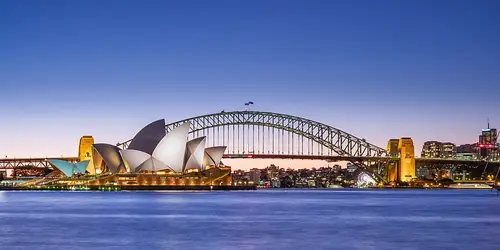
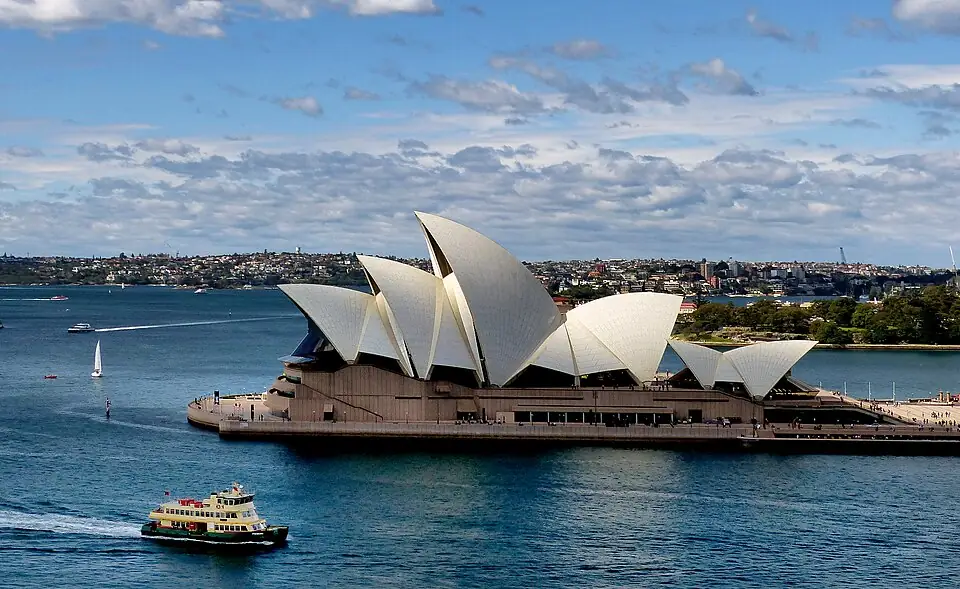
| 2 | Sydney | Opera House, Harbour Bridge, Circular Quay and The Rocks |
| 3 | Sydney | Bondi-to-Coogee coastal walk (free) or a Blue Mountains day trip |
| 4 | Sydney → Cairns | Domestic flight (around 3 hours on Qantas, Jetstar or Virgin Australia); settle on the Esplanade |
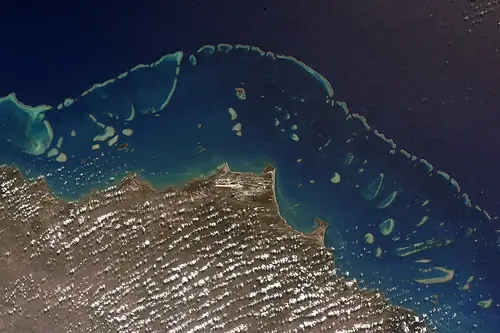
| 5 | Cairns | Full-day Great Barrier Reef boat trip |
| 6 | Cairns | Kuranda Scenic Railway + Skyrail combo, or a Daintree Rainforest day trip |
| 7 | Cairns → home | Fly out, connecting through Sydney if needed |
The one cut if you’re tight on time: treat the Blue Mountains as optional and use day 3 as a slower Sydney day instead - the coastal walk and the harbour are the two things this route can’t skip. Don’t shorten Cairns to do it; the reef needs the daylight of a full boat day.
See the full Sydney travel guide and Cairns travel guide for where to base yourself in each city, and the Great Barrier Reef guide for picking a reef boat.
The 10-Day Australia Itinerary (the sweet spot)
This is the one worth booking. It keeps Sydney and the reef, and adds a genuinely different Australia in between: Uluru and the Red Centre.
| Day | Base | Plan |
|---|---|---|
| 1-4 | Sydney | Arrive, settle near Circular Quay; Opera House and Harbour Bridge; the Bondi-to-Coogee walk; a Blue Mountains day trip |
| 5 | Sydney → Uluru | Domestic flight into Ayers Rock Airport (AYQ); settle in Yulara, sunset over the rock |
| 6 | Uluru | The 10 km Uluru base walk at sunrise, Kata Tjuta’s Valley of the Winds in the afternoon |
| 7 | Uluru → Cairns | Onward domestic flight, routing via a major gateway; settle on the Esplanade |
| 8 | Cairns | Full-day Great Barrier Reef boat trip |
| 9 | Cairns | Kuranda Scenic Railway + Skyrail, or the Daintree Rainforest |
| 10 | Cairns → home | Fly out, connecting through Sydney if needed |
Where to cut to 8-9 days: drop one Sydney day and treat Uluru as a tighter one-night stop - it’s rushed, but the base walk still fits. Where to add: an extra Cairns day for the Atherton Tablelands waterfalls, or an extra Sydney day for Taronga Zoo or a Sydney Tower Eye visit, is never wasted.
The 14-Day Australia Itinerary (add Melbourne)
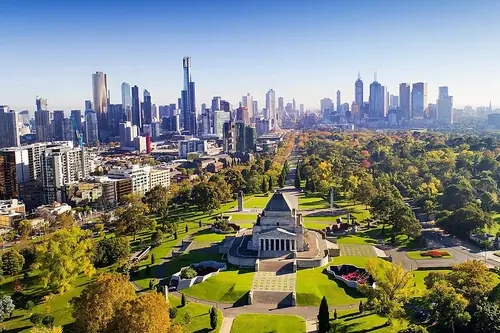
Two weeks lets the trip breathe. Take the 10-day route and open it with Melbourne - a genuinely different Australia from Sydney’s harbour, built around laneways, free trams and a serious coffee culture.
| Days | Base | Plan |
|---|---|---|
| 1-4 | Sydney | Opera House, Harbour Bridge, the Bondi-to-Coogee walk, a Blue Mountains day trip |
| 5 | Sydney → Melbourne | Domestic flight (around 1.5-2 hours); settle in the CBD or Fitzroy |
| 6-7 | Melbourne | CBD laneways and street art on the free City Circle tram, Federation Square, Fitzroy’s cafés, Queen Victoria Market |
| 8 | Melbourne → Uluru | Domestic flight into Ayers Rock Airport (AYQ); sunset over the rock |
| 9 | Uluru | Base walk at sunrise, Kata Tjuta in the afternoon |
| 10 | Uluru → Cairns | Onward domestic flight; settle on the Esplanade |
| 11-12 | Cairns | Full-day Great Barrier Reef boat trip, then the Kuranda Railway + Skyrail combo |
| 13 | Cairns | Daintree Rainforest day trip, or a slower day at the free Esplanade Lagoon |
| 14 | Cairns → home | Fly out, connecting through Sydney or Melbourne if needed |
The alternative fortnight: swap Melbourne for a second Sydney-area add-on, like a coastal day trip built around scenic lookouts, farm-gate produce stalls and a slower food-market pace, if a fourth flight leg feels like one too many. See our Melbourne travel guide and Uluru travel guide for the full detail on each stop.
Getting Between Stops
The transport question first-timers overthink most: which airline, and whether the visa and eSIM are sorted before they land.
- Activate before you fly: data works on arrival
- Plans for 200+ countries from a few dollars
- Keep your number; no physical SIM swap
Budget for This Route
Expect a Sydney-plus-one-leg trip to land in the budget range around US$40-65/day (hostel dorm, mostly self-catered meals, public transport) or mid-range around US$110-180/day (private ensuite room, restaurant meals, some paid tours) - more once you add a second nature leg on the 14-day route. A casual café meal (a sandwich or an all-day brekkie) runs around AUD 15-22 (about US$10-14), and Sydney’s average flat white costs around AUD 5.80 (about US$3.75), ranging roughly AUD 4-7.20 by suburb.
Budget separately for Sydney’s big-ticket attractions: a Sydney Opera House 1-hour guided tour runs around AUD 43-49 (about US$28-32) per adult; BridgeClimb Sydney’s daytime Summit Climb packages run roughly AUD 300-400+ (about US$195-260+) depending on date and time; Taronga Zoo online adult entry starts around AUD 51 (about US$33), or around AUD 67 (about US$44) for the ferry-plus-zoo-plus-cable-car bundle; and the Sydney Tower Eye observation deck runs from around AUD 22 online (about US$14). The Bondi-to-Coogee coastal walk is free - around 6 km, around 2-3 hours, passing Tamarama, Bronte, Clovelly and Gordon’s Bay - and a Blue Mountains day trip runs around AUD 60-90 DIY by train and local bus (about US$39-58), or roughly AUD 120-180 (about US$78-117) on a standard guided coach tour.
For where to sleep, Sydney is the pricier anchor of this route: August 2026 is Sydney’s winter/lower season, and a live 2-adult search of the CBD, The Rocks and Surry Hills put budget hostel-private or value 4-star rooms around US$130-155/night, mid-range 4-4.5-star CBD rooms around US$165-200/night, and upscale 5-star or boutique rooms around US$210-235+/night - December-February’s summer peak runs markedly higher than these winter figures. See our Sydney travel guide for area-by-area picks, and compare rates directly:
Visa, Currency and Safety Basics
Sort the visa first, since it’s the one step with a hard requirement before you fly. US, Canadian and Japanese passport holders (plus a handful of other nationalities) apply through the free Australian ETA app (subclass 601) - scan your passport, take a live selfie, answer health and character questions, and pay an around AUD 20 (about US$13) service fee. UK, EU and other European passport holders use the free eVisitor (subclass 651) online via ImmiAccount instead. New Zealand citizens travel visa-free. Either way, it has to be granted before you board - it’s checked at check-in, not handed out on arrival - and while Australia only requires your passport to be valid through your stay, carry the roughly 6-month buffer airlines and transit countries often still expect.
The currency is the Australian dollar (AUD); a rough working conversion is AUD 1 ≈ US$0.65-0.70, so check a live rate before a big purchase. 000 is the nationwide emergency number for police, fire and ambulance, and 112 works from any mobile, even a locked handset. Tipping isn’t expected anywhere on this route. Australia has some of the world’s highest UV levels, so follow the local “slip, slop, slap” rule (shirt, SPF50 sunscreen, hat) even on overcast days, and only swim between the red-and-yellow flags on patrolled beaches - rip currents are the real hazard, not sharks.
- Up to 10 devices on one account
- Obfuscated servers for networks that block VPNs
- 30-day money-back guarantee
For the full rundown on staying online and paying smart across four stops, see our eSIM and hotels hubs.
Shorter or Longer?
Cutting to 4-5 days: do Sydney only, as a long weekend - the Opera House, the coastal walk and a Blue Mountains day trip fill a short trip well, and you save the reef or Uluru leg for a return visit. Stretching past 14 days: Melbourne, Uluru and the Great Barrier Reef each work as a genuine 3-4 day leg in their own right, so an even longer trip is really just deciding which of the three you haven’t done yet and bolting it onto this same flight-linked structure.
Frequently Asked Questions
How many days do you need for a first trip to Australia?
Seven days covers Sydney plus a Great Barrier Reef base near Cairns at a comfortable pace, with one travel day between them. Ten days is the sweet spot: Sydney, Uluru and Cairns, linked by around 1.5-3 hour domestic flights. Fourteen lets you add Melbourne too, for a full east-coast-plus-Outback loop without rushing any one stop.
Do I need a visa for Australia in 2026?
Yes, and it has to be granted before you board - Australia checks it before you fly, not on arrival. US, Canadian and Japanese passport holders apply through the free Australian ETA app (around AUD 20, roughly US$13, service fee). UK and EU passport holders use the free eVisitor (subclass 651) online via ImmiAccount instead. New Zealand citizens travel visa-free.
How do I get between Sydney, Cairns, Uluru and Melbourne?
Domestic flights are the practical way to cover Australia’s distances - Qantas, Jetstar, Virgin Australia and regional carrier Rex fly Sydney-Melbourne, Sydney-Cairns and routes into Uluru’s Ayers Rock Airport (AYQ) in around 1.5-3 hours each. Long-distance trains exist (the Sydney-Melbourne and Sydney-Brisbane XPT) but are far slower than flying between itinerary stops.
What’s the best time of year for an Australia itinerary combining Sydney and the Great Barrier Reef?
September-November (spring) and March-May (autumn) suit Sydney best - mild, dry and less crowded than summer. For the Great Barrier Reef around Cairns, aim for the dry season, June-October, when the water is calm, clear and free of marine stingers. A trip in September or October threads both windows well.
How much does an Australia itinerary cost per day?
Budget travelers can expect around US$40-65/day (hostel dorm, mostly self-catered meals, public transport); mid-range travelers land around US$110-180/day (private ensuite room, restaurant meals, some paid tours). A casual café meal runs around AUD 15-22 (about US$10-14), and Sydney’s average flat white costs around AUD 5.80 (about US$3.75).
Should I add Uluru or Melbourne to a longer Australia itinerary?
At 10 days, Uluru is the stronger add from Sydney - the Red Centre’s base walk and Kata Tjuta are a completely different Australia from the coast, reached via a domestic flight into Ayers Rock Airport. At 14 days, Melbourne rounds out the trip well: laneways, a free-tram CBD and a deep coffee culture, a short domestic hop from Sydney.
Book the Bones of the Trip
Sort the ETA or eVisitor first - it’s the one step with a hard requirement before you fly - then lock in your international flight into Sydney, your domestic legs on Qantas, Jetstar or Virgin Australia, and a first-night hotel near Circular Quay or The Rocks. Aim for September-November or March-May in Sydney and Melbourne, the June-October dry season for the reef around Cairns, and let the flights carry you from the harbour to the Red Centre to the reef.
Compare prices and lock in your dates:
Find cheap flights to Sydney | Compare Sydney hotels
Keep planning with our Australia pillar guide, Sydney, Cairns, Great Barrier Reef, Uluru and Melbourne guides, plus our eSIM, hotels, and travel insurance hubs for the rest of the trip.