Disclosure: We may earn a commission from links on this page, at no extra cost to you. How we earn
This article contains affiliate links. If you make a booking through these links, we may earn a commission at no extra cost to you. About & Affiliate Disclosure
Quick Answer
- Mosques require covered shoulders and knees, a headscarf for women, and shoes off at the door. Bring your own scarf rather than relying on a borrowed one.
- Tip in cash, around 10% at casual restaurants and lokantas, 10-15% at nicer places: card machines usually can’t add a gratuity.
- Bargain in the Grand Bazaar and Spice Bazaar only: offer roughly half the asking price and meet in the middle; it’s not normal in restaurants or fixed-price shops.
- Ramadan 2026 runs around February 16 to March 17: eat and drink discreetly in public during fasting hours out of respect.
- Turkey is not part of EU roaming, a local eSIM or SIM is the practical fix, not a home-country data plan.
- No-alcohol angle: build the social evening around çay, Turkish coffee, meze as food, hammams and the Bosphorus: the tea garden, not a night out.
Why Dressing Right for the Mosque Saves Time
Visitors who arrive at the Blue Mosque in shorts or without a headscarf get handed paper-thin loaner wraps at the entrance, a process that routinely adds a couple of minutes to the queue behind them. That’s the whole story of etiquette mistakes in Turkey: almost none of them are serious, but nearly all of them are avoidable with about five minutes of forethought, and skipping that forethought costs you time, money, or a slightly awkward moment at a bazaar stall.
None of what follows will get you in real trouble: Turks are famously warm with visitors who clearly mean well. But get the mosque dress code, the cash tipping, the bazaar bargaining and the Ramadan timing right, and you spend your trip drinking çay with someone who wants to talk about your visit instead of working out why the guard at the door won’t let you in.
Mosque Etiquette: What to Wear and How to Behave
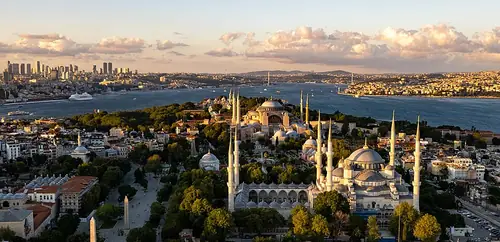
Istanbul’s mosques are working houses of worship first and tourist sights second: Hagia Sophia itself reverted to an active mosque in 2020, with a separate paid “Visiting Area” upper-gallery ticket around €25 for tourists (the ground-floor prayer hall stays free and is a separate entrance for worship). Get the dress code right before you arrive and the whole visit is smoother.
Tea, Coffee and the Hospitality Ritual
Turkish hospitality runs on çay (tea) and Turkish coffee, and understanding the ritual is half the etiquette here. This is the country’s real social glue, no alcohol required.
Offering a glass of çay or a small cup of Turkish coffee is a core hospitality gesture in shops, carpet stores, and private homes alike. Accepting it is polite and, importantly, doesn’t obligate you to buy anything, a shopkeeper pouring tea while you browse the Grand Bazaar is simply how business is done, not a pressure tactic, even if it can feel that way the first time. Turkish coffee is thick, unfiltered, and traditionally served with a small glass of water and sometimes Turkish delight; don’t drink the grounds that settle at the bottom of the cup. A glass of çay on the street costs only a few lira and gets refilled constantly at cafes. It’s the default social currency, morning to night, and the honest replacement for a bar round.
Tipping (Bahşiş): Cash, Not Card
Tipping culture in Turkey has its own name (bahşiş), and its own quirks that catch visitors used to card-based tipping elsewhere.
| Situation | What’s typical |
|---|---|
| Casual restaurant or lokanta | Around 10% |
| Higher-end restaurant | 10-15% |
| Taxis | Round up to the nearest convenient amount |
| Hotel staff (bags, cleaning) | A small cash note is a kind gesture |
| Turkish bath (hammam) attendants | A modest cash tip for the scrub/massage staff is customary |
The single most important detail: tip in cash. Card machines at most restaurants can’t process an added gratuity, so a tip tapped onto a card payment often never actually reaches your server. It just doesn’t route anywhere. Keep some small lira notes on hand for exactly this. A 2026 Trade Ministry rule bans restaurants from adding a mandatory service charge to the bill, but voluntary tipping for good service remains completely normal and expected.
Bargaining in the Grand Bazaar and Spice Bazaar
Haggling is a genuine skill here, but it only applies in specific places: know where before you start negotiating over a coffee at a fixed-price café and get an odd look.
- Where it’s expected: the Grand Bazaar, the Spice Bazaar, and most souvenir, textile and carpet shops in tourist areas.
- Where it isn’t: restaurants, cafes, supermarkets, taxis (metered or app-based) and any shop with prices clearly marked as fixed.
- The opening move: offer roughly half the asking price, then negotiate toward the middle: sellers expect this and rarely take the first counter-offer as an insult.
- Walking away works. A shopkeeper calling you back with a better number is a normal part of the dance, not a sign you offended anyone.
- Once a price is agreed, it’s final. Don’t try to add a tip on top of a bargained price; that defeats the point of the negotiation.
- Bring cash in lira for bazaar purchases; given how fast the lira has been moving in 2026, cards and ATMs typically give a better rate than a vendor quoting in euros or dollars, so paying in lira is usually the smarter move.
Ramadan Sensitivity: What Changes in 2026
Ramadan 2026 runs from around February 16 to March 17, with Eid al-Fitr following roughly March 18-20. Tourists are never expected to fast, but a little awareness goes a long way in more conservative neighborhoods and smaller towns.
- Avoid eating, drinking or smoking openly on the street during daylight fasting hours in more traditional areas: stepping into a restaurant or café to eat is the easy fix.
- Some lokantas and casual eateries open later in the day or scale back lunch service during Ramadan; hotel restaurants and tourist-district spots generally run as normal.
- Evenings come alive after sunset (iftar): food markets and çay houses fill up, and it’s genuinely one of the more atmospheric times to be out walking, not a time to avoid.
- Istanbul, Cappadocia and the coast stay fully open to tourists throughout Ramadan; only meal timing and street-eating etiquette shift.
Getting the Basics Right: Entry Rules and Staying Connected
Two practical facts sit right next to etiquette here, because getting them wrong costs real money or a scramble at the airport.
Visa entry in 2026: US, UK, Canadian and most EU passport holders enter Turkey visa-free for around 90 days within any 180-day period: Turkey dropped the e-Visa requirement for ordinary US and Canadian passports back in January 2024. Australian passport holders still need an e-Visa, applied for in advance at the official evisa.gov.tr (fee varies by nationality, roughly $20-60, valid around 180 days from issue). Airport visa-on-arrival windows are closed, so if your nationality needs an e-Visa, get it before you fly. Always double-check your own passport’s current rule before booking.
Turkey is not part of EU roaming. A UK or EU home-country data plan simply won’t work here the way it might elsewhere in Europe, so landing without a plan means either hunting for hotel wifi or paying steep roaming rates. A local eSIM installed before departure is the practical fix, and it also means you can look up mosque opening times, translate a bazaar price negotiation, or check transit directions the moment you land. See our Turkey eSIM guide for current plans.
- Activate before you fly: data works on arrival
- Plans for 200+ countries from a few dollars
- Keep your number; no physical SIM swap
Mistakes Tourists Make Most
| Mistake | Do this instead |
|---|---|
| Arriving at a mosque in shorts or a tank top | Cover shoulders and knees; women bring a headscarf |
| Tipping only by card | Carry small cash notes, bahşiş rarely reaches staff via card |
| Paying the first price quoted in the Grand Bazaar | Offer around half, negotiate toward the middle |
| Eating loudly on the street during Ramadan | Step into a restaurant or café out of respect for those fasting |
| Assuming home-country roaming works | Get a Turkey eSIM before you land, it’s not EU roaming territory |
| Treating tea offers as a sales trap | Accept the çay; it doesn’t obligate a purchase |
| Assuming Australia is visa-free like the US/UK/EU | Australians still need an e-Visa from evisa.gov.tr |
A Few Words That Open Doors
A handful of Turkish phrases buy real warmth, even at a beginner’s level.
- Merhaba, hello.
- Lütfen, please.
- Teşekkür ederim, thank you.
- Rica ederim. You’re welcome.
- Hesap, lütfen, the bill, please.
- Afedersiniz: excuse me, to get attention or apologize.
- A hand over the heart with a slight nod is a warm, respectful greeting alongside a handshake: commonly used with shopkeepers and elders.
Frequently Asked Questions
What are the most common mistakes tourists make in Turkey?
The most common mistakes are showing up at a mosque with bare shoulders or knees, tipping by card instead of cash, accepting the first price in the Grand Bazaar instead of bargaining, eating or drinking openly on the street during Ramadan fasting hours, and expecting a European roaming plan to work: Turkey isn’t part of EU roaming, so you need a local eSIM or SIM.
Do you tip in Turkey?
Tipping, called bahşiş, is discretionary but customary. Around 10 percent at casual restaurants and lokantas, and 10-15 percent at higher-end places, is typical. Always tip in cash: most card machines can’t add a gratuity, so a tip added to a card payment may never reach the server. A 2026 rule bans restaurants from adding a mandatory service charge, but voluntary tipping is still expected for good service.
What should I wear to visit a mosque in Turkey?
Both men and women should cover their shoulders and knees, and avoid tight or midriff-baring clothing. Women additionally cover their hair with a headscarf. Everyone removes their shoes at the door and leaves them on the shelves or cubbies provided. Most tourist-facing mosques, including the Blue Mosque and Hagia Sophia’s working prayer areas, loan wraps and shawls at the entrance if you arrive uncovered.
Is bargaining expected in Turkey?
Yes, but only in specific places: the Grand Bazaar and Spice Bazaar, and similar souvenir or carpet shops, expect it. A common approach is to offer roughly half the asking price and meet somewhere in the middle; walking away often prompts a better offer. Bargaining is not normal in restaurants, cafes, supermarkets or fixed-price retail shops, and once a price is agreed it’s final.
Do I need a visa to visit Turkey in 2026?
US, UK, Canadian and most EU passport holders can enter Turkey visa-free for around 90 days within any 180-day period as of 2026: Turkey removed the e-Visa requirement for ordinary US and Canadian passports in January 2024. Australian passport holders still need an e-Visa, obtained in advance at the official evisa.gov.tr portal. Always confirm your own nationality’s current rule before booking.
When is Ramadan in Turkey in 2026, and does it affect tourists?
Ramadan 2026 runs from around February 16 to March 17, with Eid al-Fitr following around March 18-20. Tourists aren’t expected to fast, but eating, drinking or smoking openly in public during daylight hours is considered inconsiderate in more conservative areas. Some lokantas open later in the day during Ramadan, and evenings after sunset (iftar) get lively with food, so plan meal timing with a little more flexibility.
Travel Turkey Like You’ve Done This Before
Get these right, a scarf in your bag before the mosque, small lira notes for tips and bargaining, a little discretion during Ramadan, and an eSIM installed before landing, and the rest of the trip runs on the same warmth every visitor talks about. Turkey doesn’t expect you to get everything right on the first try; it just rewards the visitors who clearly tried.
Find cheap flights to Istanbul | Compare Istanbul hotels
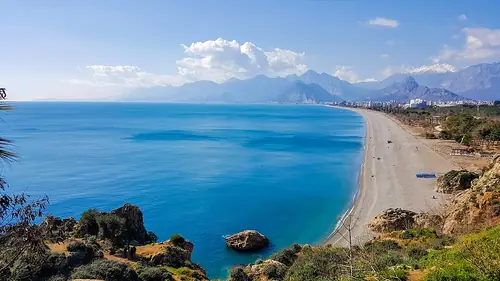
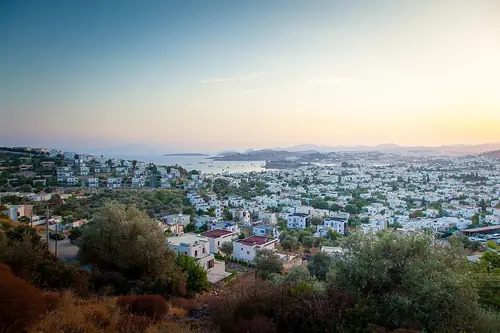
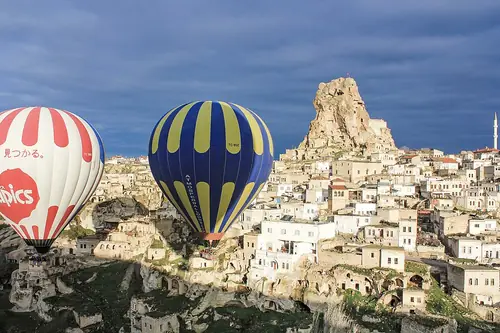
Keep planning with our Turkey itinerary, Turkey budget guide, Turkey getting-around guide, Turkey eSIM guide and best time to visit Turkey. Heading to specific stops? See our guides to Istanbul, Cappadocia, Antalya and Bodrum. Compare more hotels, grab a data eSIM, check flights, or look at travel insurance before you fly.