Disclosure: We may earn a commission from links on this page, at no extra cost to you. How we earn
This article contains affiliate links. If you make a booking through these links, we may earn a commission at no extra cost to you. About & Affiliate Disclosure
Quick Answer
- Year-round sun: average 18–26 °C every month: no bad season, only busier and quieter ones.
- Budget tier: around €18–35 a night for accommodation, €12–18 for three meals and €3–8 for local transport.
- Cheapest windows: May, June, and early November: warm weather, no school holidays.
- Best value islands: Gran Canaria and Tenerife for variety; Fuerteventura for pure beach on a budget.
- Free sights: Maspalomas Dunes, Anaga Rural Park and Teide National Park cost nothing to enter; the Teide cable car is around €27 return and Timanfaya’s bus tour around €30.
- No visa needed for EU/Schengen, UK, US, Canadian, and Australian passport holders (up to 90 days).
The Canary Islands Travel Guide for Budget Travelers
This Canary Islands travel guide budget breakdown starts with the thing almost everyone gets wrong: the seven islands are not interchangeable. A last-minute November flight from London to Las Palmas can run around €89 return, landing visitors into warm sun while half of Europe pulls on coats, with papas arrugadas con mojo on plastic chairs outside a guachinche for around €8, pine forests above the clouds, and black-sand beaches that look like another planet. The catch is that picking the wrong island for your trip is the single most common planning mistake here. The decision costs nothing to get right, and this guide makes it simple.
What to pack for Canary Islands Travel Guide on a Budget (2026)
Four picks from our gear guides that suit this trip. Each card opens the live Amazon price; the links below lead to the full comparisons.
25 x 18 x 4 cm, 254 g, 2.1 L. Locking zips, a cut-resistant double-cable strap, an RFID passport pocket and a strap that clips to a chair. Reader’s Digest’s best crossbody for travel.
Check price on Amazon Live price on AmazonThe best value compression set going. A double-zip pulls the air out so a week of clothes shrinks to a few inches thick, and you get eight pieces (cubes plus a shoe and laundry bag) for roughly the price of one branded cube. The fabric is thin and the zips aren’t lifetime kit, but for the money nothing beats it.
Check price on Amazon Live price on AmazonThe reliable all-rounder: one USB-C and four USB-A ports, plugs for 200+ countries, and a built-in fuse with a spare. The adapter most people should buy.
Check price on Amazon Live price on AmazonModel A1259, 10,000mAh, about 37Wh, 215 g. Two phone charges in a jacket pocket, and small enough that the two-bank limit never becomes a question.
Check price on Amazon Live price on AmazonWhich Canary Island Is Right for You?
The seven main islands share the same subtropical latitude but each has its own personality. Pick the one that fits your travel style before you book.
| Island | Best for | Daily budget | Landscape | Avoid if… |
|---|---|---|---|---|
| Tenerife | Mix of everything: beaches, hiking, Teide, lively towns | €40–60 | Volcanic, dramatic, varied | You hate busy resort strips |
| Gran Canaria | City break + beach, great food scene, budget transport | €40–55 | Dunes in the south, green north | You want isolation |
| Lanzarote | Design lovers, volcanic moonscapes, quiet vibe | €45–65 | Stark lava fields, white villages | You need a packed nightlife scene |
| Fuerteventura | Endless white-sand beaches, wind sports | €40–60 | Flat, sandy, turquoise coast | You want forests and mountains |
| La Palma | Serious hiking, stargazing, lush landscapes | €45–60 | Dense forest, caldera, steep ravines | You want resort facilities |
Tenerife is the largest and most visited island, and it earns that reputation. Mount Teide (Spain’s highest peak at 3,715 m) dominates the centre and is worth every step. The Anaga Rural Park in the north is a primeval laurel forest that feels nothing like any resort. Budget beds start around €18 in Santa Cruz or La Laguna, a UNESCO-listed colonial city that almost nobody visits despite being spectacular. The south-coast resort towns are loud and package-holiday focused but also have some of the cheapest food and accommodation on the island.
Gran Canaria is the budget traveler’s workhorse. Las Palmas is a genuine city with a long city beach (La Playa de las Canteras), a historic quarter (Vegueta), and cheap local restaurants you won’t find in any guidebook. The south shifts to resort mode around Maspalomas: home to the iconic Maspalomas Dunes, a mini Sahara that genuinely stops you in your tracks. The Guagua bus network covers most of the island cheaply, so a car isn’t essential.
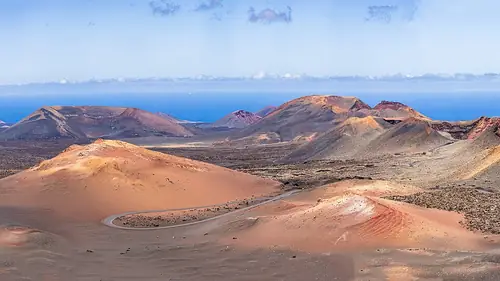
Lanzarote is the artist’s island. The architect César Manrique shaped its visual identity in the 1970s: white cube buildings, no billboards, volcanic art installations. The lava fields of Timanfaya National Park look like the surface of Mars and cost around €30 to enter. It’s quieter and a touch more expensive than Tenerife or Gran Canaria, but the lack of crowds is the point.
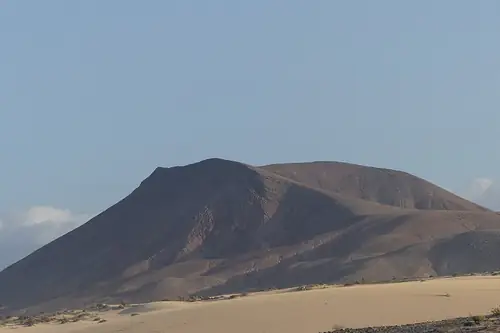
Fuerteventura is for people who want beach, full stop. Long white stretches of sand, shallow turquoise water, and near-constant wind that makes it Europe’s best destination for kitesurfing and windsurfing. It’s flat and dry, so hiking fans will look elsewhere, but for a pure beach holiday on a budget it’s hard to beat.
La Palma received UNESCO Biosphere Reserve status for good reason. Its caldera is vast and silent, the pine forests are dense and fragrant, and the International Dark Sky Reserve status means the Milky Way is visible most clear nights. It’s genuinely underrated and a touch cheaper for it.
Year-Round Sun: When to Visit on a Budget
The Canary Islands sit close to the African coast and the climate is famously mild year-round. But “year-round” doesn’t mean every month costs the same.
| Month | Avg. temp | Crowds | Price level | Notes |
|---|---|---|---|---|
| Jan–Feb | 18–21 °C | High | High | Northern Europeans fleeing winter; book early |
| Mar–Apr | 19–23 °C | Very high | Peak | Easter week is the most expensive fortnight |
| May–Jun | 21–25 °C | Low–medium | Low | Best budget window; warm and uncrowded |
| Jul–Aug | 24–28 °C | High | High | School holidays; Tenerife and Gran Canaria fill up |
| Sep–Oct | 23–27 °C | Medium | Medium | Warm sea, quieter beaches, good value |
| Nov | 20–24 °C | Low | Low | Second-best budget window; weather still excellent |
| Dec | 18–21 °C | Very high | Peak | Christmas holidays push prices to January levels |
November hits the sweet spot: school holidays are over, flights and accommodation typically run roughly 30 percent below January prices, and the weather is often indistinguishable from peak summer. May and June feel almost identical in quality.
Avoid Easter week (Semana Santa) and Christmas unless you book four or more months ahead.
Daily Budget Breakdown
The Canary Islands are one of Europe’s better-value sunshine destinations, especially if you eat where locals eat and use public transport.
| Category | Budget | Mid-range | Comfort |
|---|---|---|---|
| Accommodation (per night) | €18–35 | €50–90 | €110–200 |
| Food (3 meals) | €12–18 | €25–45 | €50–90 |
| Local transport | €3–8 | €15–30 | €30–60 |
| Activities | €5–15 | €15–35 | €40–80 |
| Daily total | ~€38–76 | ~€105–200 | ~€230–430 |
A few numbers that anchor the budget: a menú del día (three-course set lunch) at a local restaurant costs around €10–12. Papas arrugadas with mojo costs €3–5 as a tapas portion. A local Guagua bus ticket is €1.20–2.50 depending on the island. The Teide cable car costs around €27 return. Book in advance because daily numbers are capped and it sells out.
Eating cheap is easy: follow the guachinche tradition in Tenerife (informal family-run spots serving home cooking for next to nothing), or eat at the market stalls in Las Palmas’s Mercado de Vegueta in Gran Canaria.
Getting Around: Transport Without a Car
You don’t need to rent a car on every island, and not renting saves €30–60 per day.
Tenerife and Gran Canaria both have comprehensive Guagua bus networks that link resorts, cities, and most hiking trailheads. In Tenerife the TITSA app shows live departures; a 10-trip bono card (around €9) cuts the cost per journey. Tenerife also has a tram (Tranvía) in Santa Cruz that runs cheaply between the city centre and La Laguna, a genuinely useful route that passes through a UNESCO World Heritage city for the price of a normal fare.
Lanzarote and Fuerteventura have thinner bus networks, so car rental is more useful if you want to explore beyond the resorts. Rental prices are some of the lowest in Spain: around €20–30/day for a compact in the shoulder season.
Island hopping: Fred. Olsen and Naviera Armas ferries connect the main islands, with the most frequent routes between Tenerife, Gran Canaria, Lanzarote, and Fuerteventura. A crossing costs around €30–60 one-way and takes 1–4 hours depending on the route. For La Palma and El Hierro, Binter Canarias runs short flights from around €40–70 one-way. Book a few days ahead; last-minute prices climb.
- Activate before you fly: data works on arrival
- Plans for 200+ countries from a few dollars
- Keep your number; no physical SIM swap
What to Do for Free (or Nearly Free)
The best things on these islands cost almost nothing.
Teide National Park, Tenerife: entry to the park is free; the cable car costs around €27. Hiking the summit trail (Ruta 10) from the base is free if you book the required summit permit in advance (it’s free but limited) and rewards you with views above the clouds.
Maspalomas Dunes, Gran Canaria: access is free. Walk in from the south end past the lighthouse and you’ll find dunes stretching into the distance without a beach umbrella in sight.
Timanfaya National Park, Lanzarote: the bus tour costs around €30, but driving the perimeter road is free and the frozen lava-field landscape is visible from every lay-by.
Anaga Rural Park, Tenerife, free to enter. The hiking trails through the oldest laurel forest in Europe are some of the most dramatic walks in the Atlantic.
La Laguna, Tenerife: the colonial old town is free to walk, full of pastel-painted mansions, hidden courtyards, and independent coffee shops. It was the model for the urban layout of many Latin American cities and barely appears in most itineraries.
Where to Stay on a Budget
Budget accommodation splits into three categories: resort apartment complexes in the south of Tenerife and Gran Canaria (cheap but functional); guesthouses and pensiones in local towns like Santa Cruz de Tenerife, Las Palmas, Arrecife, and Puerto del Rosario; and rural casas rurales in the north and interior, often the best value of all and right next to the hiking.
For a budget of around €18–35/night you can consistently find a clean private room in a guesthouse or self-catering studio. Hostel dormitories in Las Palmas run around €15–20/night. Rural accommodation in La Palma and northern Tenerife starts around €40–60/night for a whole apartment.
Browse options and compare prices on our hotels hub.
Frequently Asked Questions
How much does a budget trip to the Canary Islands cost per day?
Budget travelers can get by on around €40–55 per day covering a basic room, street food and supermarket meals, local buses, and one or two paid activities. Mid-range comfort (a decent hotel, restaurant dinners, and car rental) runs around €80–130 per day.
Which Canary Island is best for budget travelers?
Gran Canaria and Tenerife have the widest range of budget accommodation, cheap local restaurants (known as guachinches in Tenerife), and good public bus networks so you can skip car rental. Fuerteventura is great value if your main goal is beach time.
When is the cheapest time to visit the Canary Islands?
May, June, and early November are the sweet spots: European school holidays are over, the weather is still warm and sunny, and flights and hotels drop noticeably. Avoid Christmas, New Year, and Easter week for the lowest prices.
Do you need a visa to visit the Canary Islands?
The Canary Islands are part of Spain and the EU, so EU and Schengen-area citizens enter with just an ID card. UK, US, Canadian, and Australian passport holders can stay up to 90 days without a visa under the standard Schengen rules.
Can you island-hop in the Canary Islands on a budget?
Yes. Inter-island ferries (Fred. Olsen and Naviera Armas) connect the main islands for around €30–60 per crossing and are a scenic, affordable way to hop between them. Binter Canarias operates short inter-island flights, often bookable for €40–70 one-way if you book ahead.
Is the Canary Islands worth visiting year-round?
Yes. The islands sit close to the African coast and enjoy a mild subtropical climate with average temperatures of 18–26 °C year-round, earning the nickname “the islands of eternal spring.” There is no bad month to visit, only busier and quieter ones.
Plan Your Canary Islands Trip
Seven islands, year-round sun, and one of the most varied landscapes in Europe: all reachable on a budget from almost any European city. Pick your island before you book, time your visit outside Christmas and Easter, and stay in a local town rather than the resort strip. Get those three calls right and the Canaries deliver extraordinary value.
Find cheap flights to the Canary Islands | Compare Canary Islands hotels
Browse more destination ideas on our destinations hub, or check our dedicated guide to cheap flights from London to Tenerife.