Quick Answer
- Best time to visit Madeira: mild year-round (“eternal spring”); spring–early summer (Apr–Jun) is greenest and best for hiking.
- Where to stay: Funchal as your base; the sunnier south coast for quiet; the wild north and Porto Moniz for nature.
- Getting around: you really need a hire car (or guided tours): rural buses are slow and winding; Funchal itself is walkable.
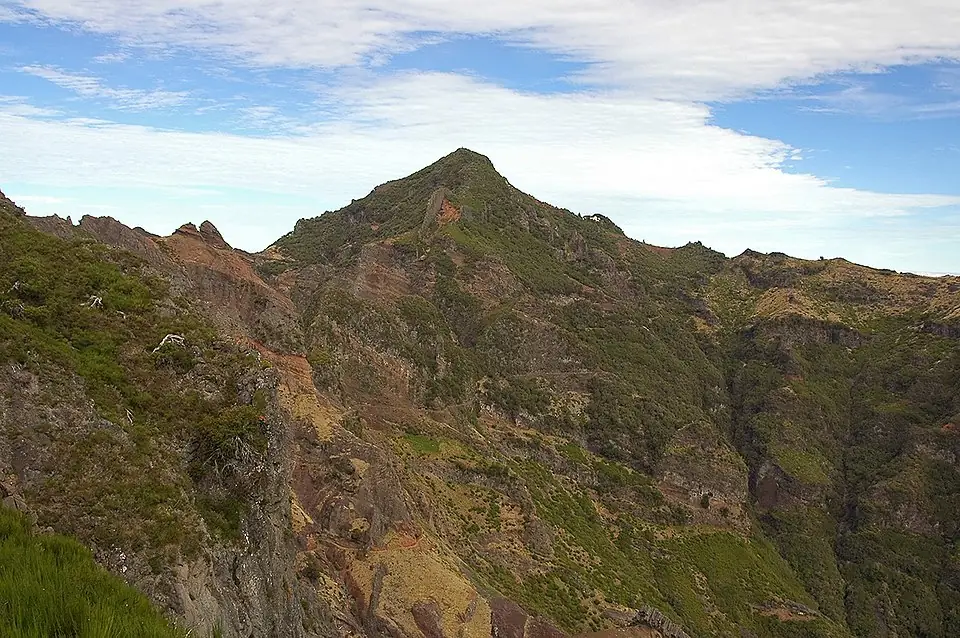
- Don’t miss: the Pico do Arieiro → Pico Ruivo ridge hike: the island’s best walk, often above the clouds.
- Eat smart: espetada (beef skewers), bolo do caco (garlic flatbread) and fresh fruit at the Mercado dos Lavradores.
Madeira, Without the Rookie Mistakes
Madeira is a volcanic mountain in the Atlantic, not a beach-week island, and visitors who pack for sun loungers alone are planning the wrong trip. Hiking boots and a hire car unlock mornings above the clouds on ridges that justify the whole detour.
So here’s the short version this Madeira travel guide is built around: come for the hiking, not the sand, base yourself in Funchal, hire a car (or book guided tours) so you can actually reach the trails, and visit in spring or early summer when the island is greenest. Do that and Madeira stops being a vague “somewhere off Portugal” and becomes one of the most rewarding short-haul escapes in Europe.
A 40-stop itinerary isn’t needed here. What matters is landing in the right season, sleeping somewhere that puts the whole island within reach, and not losing a day to a rural bus that comes twice. The one thing most first-timers get wrong is assuming they can do Madeira without wheels.
What to pack for Madeira
Four picks from our gear guides that suit this trip. Each card opens the live Amazon price; the links below lead to the full comparisons.
61 x 122 cm, listed at 120 g in navy, snap loop and a ventilated carry bag. Rainleaf says it absorbs five times its own weight, and it comes in six sizes. The one most travelers should buy first.
Check price on Amazon Live price on Amazon710 ml, 450 g, press-style purifier. Grayl publishes 99.99% virus, 99.9999% bacteria and 99.9% protozoan cyst removal and a 250 L (350-press) cartridge. OutdoorGearLab’s best water-quality score of its 2026 test.
Check price on Amazon Live price on AmazonThe reliable all-rounder: one USB-C and four USB-A ports, plugs for 200+ countries, and a built-in fuse with a spare. The adapter most people should buy.
Check price on Amazon Live price on AmazonModel A1259, 10,000mAh, about 37Wh, 215 g. Two phone charges in a jacket pocket, and small enough that the two-bank limit never becomes a question.
Check price on Amazon Live price on AmazonGetting Around Madeira
Here’s where most first-timers lose a day: assuming they can see Madeira by bus. You mostly can’t: the good stuff is up switchbacks the buses crawl. Sort your transport and the island opens up.
And one honest trade-off: if you truly hate mountain driving, skip the car and stack two or three guided day tours instead. You’ll see the highlights without white-knuckling the hairpins, just with less freedom to linger.
Where to eat well without overpaying follows the same instinct: follow the local lunch crowd, not the harbour-front menus in four languages:
- Espetada, the Madeiran classic. Cubes of beef rubbed with garlic and bay, skewered and grilled, usually served hanging from a hook over your plate with bolo do caco and fries, a proper island meal at a village restaurant.
- Bolo do caco everywhere. This soft, round flatbread slathered in garlic butter shows up as a starter, a snack and a street-food sandwich. Grab one from a stall and you’ve eaten happily for a couple of euros.
- Fresh fruit at the Mercado dos Lavradores. Funchal’s covered market is the place to taste fruta da Madeira (passion fruit, custard apple, the small sweet local banana) straight from the stall.
- Poncha de fruta or a fresh juice. The market and seafront cafés do brilliant fresh-pressed fruit juices and fruit drinks, a perfect cold hit after a sweaty levada walk.
What Not to Miss
You can’t do all of Madeira in one trip, so aim for a handful done well rather than a checklist done badly.
- The Pico do Arieiro to Pico Ruivo ridge hike is the island’s signature walk, a spectacular traverse between Madeira’s two highest peaks, often above a sea of cloud. It’s strenuous, with stairs and tunnels, so start early and go prepared.
- A levada walk like the 25 Fontes is the gentle counterpoint: flat, shaded paths following centuries-old irrigation channels through mossy laurel forest to a clearing of waterfalls. Family-friendly and unforgettable.
- The Monte cable car and toboggan ride lifts you from Funchal up to Monte’s gardens; the famous wicker toboggan, steered by two straw-hatted carreiros, then slides you back down the hill on the road: touristy, yes, but genuinely fun.
- The Cabo Girão skywalk is a glass-floored platform on one of Europe’s highest sea cliffs, a stomach-flipping view straight down to the terraced fields and ocean below.
- The Porto Moniz natural pools are lava-rock basins filled by the Atlantic, with a sheltered, safe place to swim while waves crash over the outer rocks: the island’s best wild swim.
The quiet wins are free: a misty morning in the Fanal laurel forest, the cliffside miradouros (viewpoints) along the north coast, and the simple pleasure of watching the cloud pour over a ridge while you eat your packed lunch.
Best Time to Visit Madeira
Madeira earns its “eternal spring” nickname honestly: it’s mild all year, with days mostly between 19 and 25°C and no true off-season. The season you pick changes the greenery, the crowds and the cloud on the peaks more than the temperature. The short answer: spring and early summer win for hiking. Here’s how the seasons actually compare.
| Season | Weather | Crowds | Prices | Best for |
|---|---|---|---|---|
| Spring (Mar–May) | Mild, lush, 18–22°C | Building | Good value | Greenest scenery, flowers, clear levada trails |
| Early summer (Jun) | Warm, bright, 21–24°C | Rising | Mid | The hiking sweet spot, long light, dry trails |
| Summer (Jul–Aug) | Warmest, 23–26°C | Heaviest | Peak | Swimming, festivals, settled weather (but busiest) |
| Autumn/Winter (Sep–Feb) | Gentle, 19–22°C coast | Lower (spikes at New Year) | Cheapest | Whale watching, quiet trails, soft prices |
A few things the grid can’t tell you: the high peaks make their own weather, so a cloudy, cool morning at sea level can still be brilliant sunshine above the clouds on Pico do Arieiro, and the reverse. New Year is a genuine event in Funchal, with one of the world’s biggest firework displays and prices to match, so book months ahead or steer clear of late December if you want value.
Where to Stay in Madeira
Madeira is small but steep, so where you sleep shapes your trip more by terrain than by distance. Funchal is the natural hub, but each region offers a different island. Here’s how the classic bases compare.
| Area | Vibe | Roughly | Best for |
|---|---|---|---|
| Funchal | Lively capital, walkable, most hotels | 90–180€/night | First-timers, the cable car, easy island access |
| South coast (Câmara de Lobos, Ponta do Sol, Calheta) | Sunnier, calmer, seaside | 80–160€/night | Sun, quiet, sea views and the sandy Calheta beach |
| North (Santana, São Vicente) | Wild, green, dramatic | 70–140€/night | Nature, laurel forest, fewer crowds |
| Porto Moniz | Remote, rugged, coastal | 70–130€/night | The natural lava pools, big-sky scenery |
If it’s your first time, base in Funchal and just spread out from there. It has the most hotels, the restaurants, the cable car and the shortest drives to everything. Want more sun and less buzz? The south coast stays brighter and slower, with Calheta’s imported golden-sand beach as a bonus. The north is the green, rugged, fewer-people Madeira around Santana and São Vicente, and Porto Moniz is the place to wake up beside the famous lava pools. Compare live rates anytime on our hotels hub.
Frequently Asked Questions
What is the best time to visit Madeira?
Madeira is a year-round island: locals call it the place of eternal spring, with mild days from roughly 19 to 25°C and no real off-season. Spring and early summer (April to June) are the greenest and best for hiking, with flowers everywhere and clear levada trails. Summer is warmest and busiest; winter stays gentle but the high peaks can be cloudy and cold.
Where should I stay in Madeira for the first time?
Funchal is the obvious base: the capital has the most hotels, restaurants, the cable car and easy access to the whole island. For more sun and quiet, the south coast around Câmara de Lobos or Ponta do Sol works well. The north (Santana, São Vicente) is wilder and greener, and Porto Moniz suits anyone chasing the natural pools.
Do I need a car in Madeira?
For most visitors, yes. Madeira’s best levada hikes, viewpoints and villages are scattered across steep, winding terrain, and the public buses are slow and infrequent on rural routes. A hire car (or a string of guided day tours) is what unlocks the island. Funchal itself, though, is perfectly walkable without one.
Is Madeira good for hiking?
It’s one of Europe’s best hiking islands. The signature walk is the Pico do Arieiro to Pico Ruivo ridge across the highest peaks, often above the clouds. Gentler levada walks like the 25 Fontes follow centuries-old irrigation channels through laurel forest and past waterfalls: flat, shaded and family-friendly.
Does Madeira have beaches?
Madeira is volcanic, so most coastline is pebble or rock rather than soft sand, though Calheta has an imported golden-sand beach, and the natural lava pools at Porto Moniz are a brilliant swim. For classic sand, many travellers add a short flight to neighbouring Porto Santo, which has a long golden beach.
How many days do you need in Madeira?
Five to seven days is the sweet spot. That’s enough to base in Funchal, do the Pico do Arieiro–Pico Ruivo hike and a levada walk, ride the Monte cable car, drive the dramatic north and west coasts, and still have a slow day. A long weekend works if you focus on Funchal and one or two big hikes.
Start Planning Your Madeira Trip
Get the season and the wheels right and Madeira is far more than a beach week. It’s hiking above the clouds, levadas through ancient forest, and lava pools worth talking about for years. Come in spring or early summer, base in Funchal, hire a car, and walk the ridge.
Compare prices now and lock in your dates:
Find cheap flights to Madeira | Compare Madeira hotel prices
Planning the wider trip? See our best time to visit Portugal guide and browse more stays on the hotels hub.