Quick Answer
- Best time: May, June and September for weather; December to February for an almost cruise-free town.
- Crowds: roughly 60 to 85 cruise calls a month from May to October; ships usually dock 08:00 to 18:00.
- Where to stay: the Old Town for atmosphere, Dobrota or Muo for bay views, Škaljari for lower prices.
- Getting there: Tivat Airport is 8 km away, about 12 minutes by car; Podgorica and Dubrovnik are 70 to 90 km away.
- Fortress climb: 15 euros, collected March to November; under-12s go free.
At a glance
- Best time
- May–Jun, Sep; Dec–Feb for quiet
- Time needed
- 2 to 3 days
- Currency
- Euro (EUR)
- Language
- Montenegrin
- From the airport
- Tivat Airport 8 km, about 12 minutes
- Visa
- Visa-free 90 days for UK, US passports
Kotor packs a medieval walled town, a fjord-like bay and a mountain wall into one small place. It is also one of the busiest cruise ports on the Adriatic, which shapes your trip more than the weather does. The decisions that matter: which month, which days (ship days or not), and where to sleep. Fees and schedules below were checked on 10 October 2026.
When is the best time to visit Kotor?
The Bay of Kotor has a Mediterranean climate with a very wet winter. The mountains behind the bay catch Atlantic storms: Montenegro’s weather institute names the slopes above it, around Crkvice, as Europe’s wettest spot, with about 5,000 mm of rain a year.
| Period | Average high / low | Rain and crowds | Best for |
|---|---|---|---|
| December | 14°C / 6°C | Wettest stretch, about 15 rainy days, almost no cruise ships | Quiet old town, low prices |
| January | 12°C / 5°C | Coolest month, about 14 rainy days | Museums, cafés, the St Tryphon festivities |
| February | 13°C / 5°C | Still wet, still quiet | Walks between showers |
| March to May | 15–23°C / 7–14°C | Rain easing, ships return from April | Hiking, the fortress climb |
| June to August | 26–29°C / 17–19°C | Driest and sunniest, peak cruise and beach crowds | Swimming in the bay |
| September and October | 22–26°C / 13–17°C | Warm sea, rain returns in October, still busy with ships | The best mix of weather and sea |
Temperatures and rain days are the 1961 to 1990 normals published by Montenegro’s Institute of Hydrometeorology and Seismology for Herceg Novi, the nearest station with official normals, on the same bay. The station averages about 1,930 mm of rain a year, most of it from October to April; Kotor itself, tucked under the mountains, can be wetter.
Cruise ships matter more than the month. The Port of Kotor publishes its arrivals a year ahead. The 2026 list shows roughly 60 to 85 cruise calls a month from May to October, about two dozen in November and almost none from December to February. Most ships arrive around 08:00 and leave around 18:00, so the old town is calm early and in the evening even in August.
Where should you stay in Kotor?
Kotor is small, so the choice is between sleeping inside the walls and sleeping on the bay with a view back at them.
| Area | Best for | Trade-off |
|---|---|---|
| Old Town (Stari Grad) | Atmosphere, walking out to the fortress climb at dawn | No cars inside the walls, stairs, daytime cruise crowds |
| Dobrota | Waterfront apartments along the bay north of the walls | A longer walk into town; check parking |
| Muo and Prčanj | Quiet views back across the water at the old town | Fewer shops and restaurants, you depend on a car or taxi |
| Škaljari | Lower prices, near the bus station | Less charm, no bay view |
| Perast | A tiny baroque waterfront town further up the bay | A drive or bus ride from Kotor’s sights |
First time? Sleep in or right next to the Old Town so you can see it before the ships arrive and after they leave. Compare hotels in and around Kotor Old Town
How do you get to Kotor and around?
Three airports serve Kotor, and Tivat is by far the closest.
UK and US passport holders can stay in Montenegro for up to 90 days without a visa, according to the Government of Montenegro; check your own nationality on the government site before you book. Montenegro uses the euro.
What should you not miss in Kotor?
| Sight | Price (2026) | Tip |
|---|---|---|
| Old Town and St Tryphon Cathedral | Cathedral in the Kotor City Pass | Walk the lanes before 08:00 on ship days |
| City walls and St John’s Fortress | 15 euros | Steep steps; go at sunrise or in the evening |
| Kotor City Pass S | 19 euros, valid 1 month | Maritime Museum, Boka Aquarium, St Tryphon, St Nicholas and St Luke’s churches |
| Kotor City Pass M | 30 euros, valid 1 month | Adds the Perast Museum, the Roman mosaics in Risan and three more Old Town sights |
| Kotor Cable Car to Lovćen | 20 euros return, adults (post-season) | Post-season hours 09:00 to 20:00, from 10:30 on Tuesdays |
| Lovćen National Park | 3 euros a day | Includes the visitor centre and educational trails |
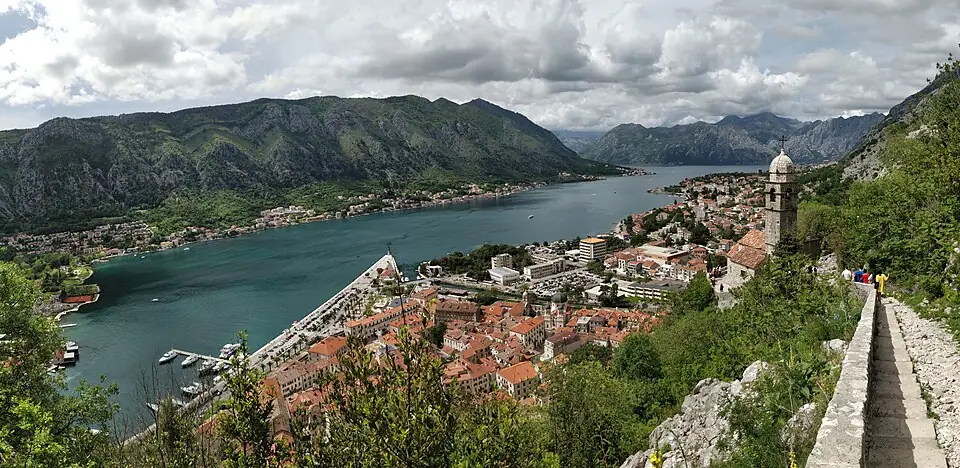
The walls and St John’s Fortress. The walls run for more than 4 km and rise up to 20 metres, climbing the cliff of St John’s Hill behind the town, according to the Kotor Tourism Organisation. Under Kotor municipality’s 2024 decision, the 15 euro fee is collected from 1 March to 30 November at two entrances (one behind the Church of Blessed Ozana, one at Škaljari square), from 07:00 to 20:00 between May and September and for shorter hours in spring and autumn. Children under 12, people with disabilities and residents of Montenegro do not pay. Take water and proper shoes: the path is steep stone steps with little shade.
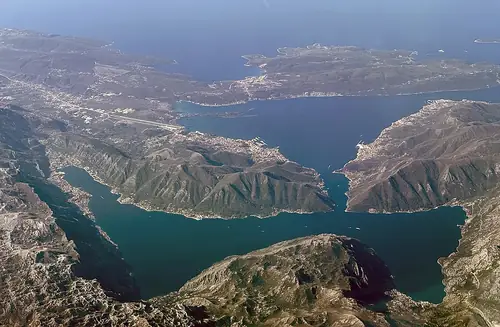
The UNESCO bay. UNESCO inscribed the Natural and Culturo-Historical Region of Kotor in 1979. Many monuments, including four Romanesque churches and the town walls, were badly damaged in the 1979 earthquake and have since been restored.
Eat like a local. Skip the menus with photos on the main squares and look for a konoba (family-run tavern) for grilled fish, or pick up fruit, cheese and bread at a local market for a picnic by the water.
What day trips can you take from Kotor?
- Perast and Our Lady of the Rocks: a short drive up the bay, Perast is a waterfront of baroque palaces facing two islets. St George is a natural island with a 12th-century church; Our Lady of the Rocks is man-made, built up by sinking stones and old sailing ships around a rock, and you reach it by boat.
- Lovćen National Park: take the Kotor Cable Car up from its lower station (shuttles run from Kotor, Budva and Tivat) for views over the whole bay, then walk the park trails for a 3 euro day ticket.
- Dubrovnik: about 71 km away in Croatia; a long day with the border crossing. See our Dubrovnik guide before you go.
- Albania: Kotor makes a good first or last stop on a Balkan loop that continues south; our Albania guide covers Tirana and the coast.
What goes wrong in Kotor?
- Arriving at 10:00 on a three-ship day. Check the Port of Kotor schedule and plan the old town around it.
- Climbing the fortress at midday in July. It is hot, exposed and crowded; go at first light.
- Packing for the Mediterranean in winter. November to January average 14 to 15 rainy days a month here; bring a proper rain jacket.
- Driving into the old town. You can’t; park outside the walls or take a taxi.
- Assuming Dubrovnik is a quick hop. The border crossing can add real time, especially in summer.
How many days do you need in Kotor?
Two to three days is right. Spend the first on the old town, St Tryphon Cathedral and the fortress climb at sunrise; the second in Perast with a boat to Our Lady of the Rocks; and half a day on the cable car to Lovćen. With a fourth day, add Budva or a long day trip to Dubrovnik. For the wider country, our Montenegro guide covers the coast, Durmitor and Lake Skadar month by month.
Frequently Asked Questions
What is the best time to visit Kotor?
May, June and September are the most comfortable months, with average highs of about 23 to 26°C at Herceg Novi, the nearest official weather station on the Bay of Kotor. July and August average about 29°C and bring the most cruise ships. December to February is mild, around 12 to 14°C by day, almost cruise-free and quiet, but it is also the rainy season.
How do I avoid the cruise ship crowds in Kotor?
Check the Port of Kotor’s published arrivals schedule before you pick your days. In 2026 it lists roughly 60 to 85 cruise calls a month from May to October, and most ships arrive around 08:00 and leave around 18:00. Walk the old town and climb to the fortress early in the morning or in the evening, and save Perast or Lovćen for the busiest ship days.
How much does it cost to climb the Kotor city walls?
The climb along the city walls to St John’s Fortress costs 15 euros for visitors. Kotor municipality’s 2024 decision set collection from 1 March to 30 November at two entrances, with children under 12, people with disabilities and residents of Montenegro exempt. The path is steep stone steps with little shade, so go early and take water.
Which airport is closest to Kotor?
Tivat Airport is the closest, about 8 km and 12 minutes by car according to Airports of Montenegro. Podgorica Airport is 79 to 88 km away depending on the route, and Dubrovnik Airport in Croatia is about 71 km away but involves a border crossing between Croatia and Montenegro.
Is Kotor worth visiting in winter?
Yes, if you want the old town without the crowds. The Port of Kotor schedule shows almost no cruise calls from December to February, daytime highs average about 12 to 14°C, and the city celebrates its patron saint, St Tryphon, in late January and early February. The catch is rain: November to January are the wettest months, with around 14 to 15 rainy days each.
How many days do you need in Kotor?
Two to three days covers it: a day for the old town, St Tryphon Cathedral and the fortress climb, a day for Perast and the Our Lady of the Rocks islet, and half a day for the cable car up to Lovćen National Park. Add a day if you also want Budva or a trip to Dubrovnik.
Start planning your Kotor trip
If you are arriving on a cruise, you only have the day and none of this booking matters. If you are staying, look at shoulder dates in May, June and September, or a quiet winter week, and check the ship schedule before you lock in.
Find cheap flights to Tivat | Compare Kotor hotel prices
Planning the wider trip? See our best time to visit Montenegro guide, budget hotels in Dubrovnik and the hotels hub.