Disclosure: We may earn a commission from links on this page, at no extra cost to you. How we earn
This article contains affiliate links. If you make a booking through these links, we may earn a commission at no extra cost to you. About & Affiliate Disclosure
Quick Answer
- Best overall: May, June, and September, warm and sunny with thinner crowds and softer prices.
- Warmest sea and busiest coast: July and August, hottest weather but peak prices and crowds.
- Cheapest overall: April, May, October, and November, with fares and coastal hotels far below peak.
- Beach season: roughly June to early October, with the Adriatic at 22 to 26 C.
- Daily budget: 45 to 75 US dollars for budget travelers, 100 to 180 for mid-range comfort.
The Best Time to Visit Montenegro, in One Sentence
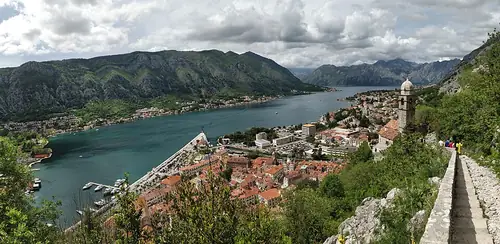
Late September on the Bay of Kotor is the version of Montenegro worth planning for: mountains dropping straight into still water, a sea still warm from summer, and a coastal road you can drive without crawling. In August that same road runs bumper to bumper and prices climb to their annual peak. A few weeks either side of the summer rush makes the whole difference.
Here’s the answer you came for. The best time to visit Montenegro is May, June, and September, when the days are warm and sunny, the Adriatic is warm enough to swim, the crowds are thinner than midsummer, and prices sit well below the July and August peak. You get the postcard coast without the bumper-to-bumper version of it.
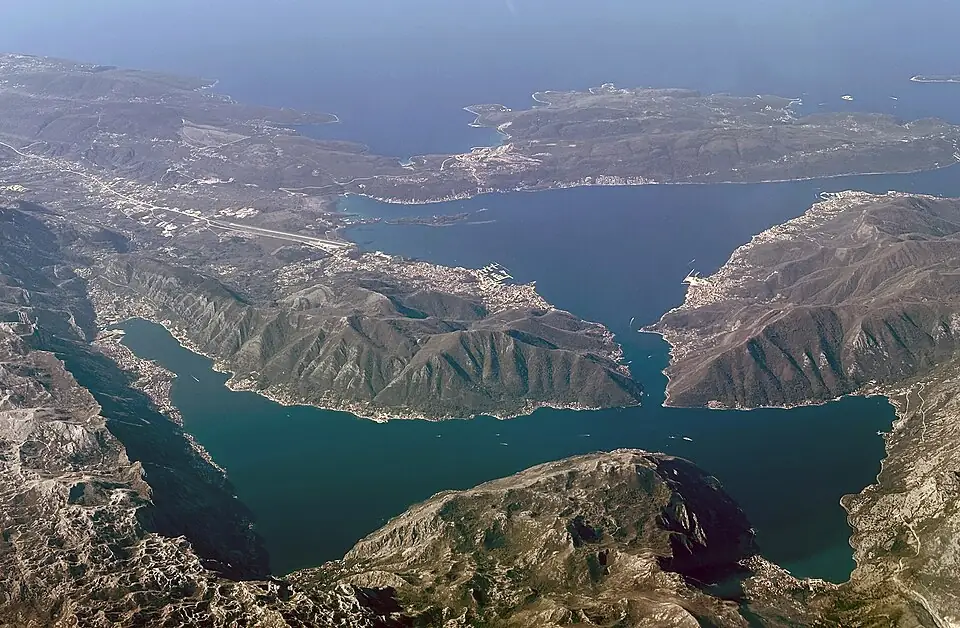
Montenegro is tiny but it stacks a Norwegian-style fjord, Croatian-style old towns, and serious mountains into a country you can cross in a few hours, so the “best time” really depends on whether you’re here for the beach, the hiking, or the bargain. This guide breaks down every month by weather, crowds, and cost so you can pick your version, including the shoulder weeks that quietly give you the most for the least.
What to pack for Montenegro
Four picks from our gear guides that suit this trip. Each card opens the live Amazon price; the links below lead to the full comparisons.
25 x 18 x 4 cm, 254 g, 2.1 L. Locking zips, a cut-resistant double-cable strap, an RFID passport pocket and a strap that clips to a chair. Reader’s Digest’s best crossbody for travel.
Check price on Amazon Live price on AmazonThe best value compression set going. A double-zip pulls the air out so a week of clothes shrinks to a few inches thick, and you get eight pieces (cubes plus a shoe and laundry bag) for roughly the price of one branded cube. The fabric is thin and the zips aren’t lifetime kit, but for the money nothing beats it.
Check price on Amazon Live price on AmazonThe reliable all-rounder: one USB-C and four USB-A ports, plugs for 200+ countries, and a built-in fuse with a spare. The adapter most people should buy.
Check price on Amazon Live price on AmazonModel A1259, 10,000mAh, about 37Wh, 215 g. Two phone charges in a jacket pocket, and small enough that the two-bank limit never becomes a question.
Check price on Amazon Live price on AmazonMontenegro’s Seasons and What They Cost
The coast and the mountains run on slightly different clocks, but the coast drives the prices, and they swing hard with the summer crowds. Knowing which season you’re landing in is the difference between elbowing for a beach lounger and having a cove to yourself.
Spring (April to June): The Value Sweet Spot
This is the season for a first-timer. April is cool and green with wildflowers, May warms beautifully into the low 20s C, and by June the sea is swimmable and the coast buzzes without bursting. Prices are still well short of the summer peak, the Bay of Kotor is at its most photogenic, and hiking in Durmitor and Lovcen is glorious. The catch is small: early-season sea can still feel brisk before mid-June.
Summer (July to August): Hot, Busy, and Expensive
July and August are hot, dry, and brilliant for the beach, with coastal highs around 28 to 32 C and a sea at its warmest. They’re also the annual peak: Budva and Kotor fill up, the coastal road clogs, and hotel rates and flights hit their highest. Spectacular if you want full-on beach buzz, but the priciest and most crowded window of the year.
Autumn (September to October): The Other Sweet Spot
September is the month worth booking on purpose. The sea is still warm from a long summer, the crowds melt away after the school holidays, the light turns golden, and prices fall fast. October cools and brings the first rains but stays lovely for hiking and old-town wandering, with excellent value.
Winter (November to March): Quiet Coast, Affordable Mountains
The coast turns mild, wet, and very quiet, with many beach-town restaurants and tours closed from November. Inland, though, the mountains around Kolasin and Zabljak get snow and offer some of Europe’s most affordable skiing. This is the cheapest time on the coast, if you don’t mind it being half asleep.
Month-by-Month Guide to Visiting Montenegro
Use this at-a-glance planner before the detailed notes below.
| Month | Weather | Sea | Crowds | Prices | Best for |
|---|---|---|---|---|---|
| January | Mild, wet (coast); snow inland | Cold | Low | Low | Skiing, bargains, quiet towns |
| February | Cool, wet; snow inland | Cold | Low | Lowest | Cheapest fares, skiing |
| March | Cool, greening | Cold | Low | Low | Early hiking, value, blossoms |
| April | Mild, fresh | Cool | Low-mid | Low-mid | Wildflowers, hiking, pre-season value |
| May | Warm, lovely | Warming | Mid | Mid | Best all-rounder, hiking and coast |
| June | Warm, swimmable | Warm | Mid-high | Mid-high | Beach starting, long days, value |
| July | Hot, dry | Warm | Very high | Peak | Beaches, nightlife, festivals |
| August | Hot, dry | Warmest | Very high | Peak | Peak beach, busy old towns |
| September | Warm, golden | Warm | Easing | Mid-high | Best value beach, warm sea, calm |
| October | Mild, first rains | Cooling | Low | Mid-low | Hiking, old towns, low prices |
| November | Cool, wet | Cold | Low | Low | Quiet, cheap, mountain snow starts |
| December | Mild coast, snow inland | Cold | Low then festive | Low | Skiing, quiet coast, bargains |
A few details to hold onto: Kotor’s average highs climb from about 12 C in January to 30 C in August, and the Adriatic only turns properly swimmable from mid-June. May is the standout all-rounder for combining coast and mountains, while September gives you a still-warm sea with the crowds gone. The almond and cherry blossom in March is a quiet bonus for early-season visitors.
Find Cheap Flights to Montenegro
Montenegro has two airports: Podgorica (TGD), the capital hub, and Tivat (TIV), right on the coast near Kotor and Budva, which is the handier arrival for a beach trip. Low-cost carriers like Ryanair and Wizz Air serve both seasonally from across Europe, and nearby Dubrovnik (DBV) in Croatia is often a cheaper gateway, about a 90-minute drive to Kotor.
Use the live calendar below to spot the cheapest departure dates at a glance, then compare across months.
Tips for cheaper flights:
- Book 6 to 10 weeks ahead for summer; coastal-season fares climb as July nears.
- Compare Tivat, Podgorica, and Dubrovnik. Flying into DBV in Croatia and driving in can undercut both Montenegrin airports.
- Watch Ryanair and Wizz Air sales. Both run cheap seasonal routes to TGD and TIV from many European cities.
- Travel in the shoulders. May, June, September, and October fares run well below the August peak.
- Fly midweek. Tuesday and Wednesday departures are routinely the cheapest of the week.
For more route ideas and fare hacks, browse our full flights hub.
When Prices Are Lowest: Best Time for Budget Travelers
Target these windows for the cheapest trips:
April, May, October, and November are the cheapest stretches with decent weather. A Kotor old-town room that runs 110 US dollars a night in August can drop to 50 to 70 in the shoulders, and flights fall hardest in spring and late autumn. You trade peak-summer sea warmth for thinner crowds and real savings.
Deep winter (December to February) is cheapest of all on the coast, but many restaurants and tours close, so it suits a mountain-and-skiing trip more than a beach one.
June and September are the value picks if you want the beach: a warm sea, long or still-warm days, and prices below the July and August peak.
Steer clear of mid-July to late August for the lowest rates, when the coast hits its annual high. Pick your month and the flights and rooms look manageable, but if you want to actually reach the coves, the mountains, and the lake, you’ll probably want a car.
Renting a Car in Montenegro
Montenegro is small but mountainous, and the best of it, the Bay of Kotor’s hairpins, Durmitor’s peaks, Lake Skadar’s shore, rewards your own wheels. Buses link the main coastal towns cheaply, but they won’t get you to the quiet beaches or the mountain trailheads.
| Trip style | Vehicle | Worth it? |
|---|---|---|
| Coastal towns only (Kotor, Budva) | None, use buses | Fine without a car |
| Coast plus a few coves and viewpoints | Small car | Usually yes |
| Mountains (Durmitor, Lovcen) | Small car, careful driving | Yes, essential for flexibility |
| Full country loop | Small car | Yes, the classic road trip |
A small rental car runs roughly 25 to 50 US dollars a day, cheaper than much of Western Europe, with affordable fuel. Roads are good on the main routes but narrow and winding in the mountains and around the bay, so allow extra time and drive cautiously. Parking in Kotor and Budva in summer is tight; many travelers park outside the old towns and walk in.
Where to Stay in Montenegro
Where you base yourself shapes both budget and experience, from the dramatic bay to the buzzy beaches and the quiet mountains.
| Area | Vibe | Budget room | Best for |
|---|---|---|---|
| Kotor (Old Town) | Medieval bay, dramatic, atmospheric | 50 to 90 US dollars/night | First-timers, history, the fjord views |
| Budva | Beaches, nightlife, resorts | 40 to 80 US dollars/night | Beach holidays, nightlife, families |
| Herceg Novi | Quieter bay, gardens, value | 35 to 70 US dollars/night | Calm coast, budget travelers, day trips |
| Tivat (Porto Montenegro) | Marina, upscale, polished | 70 to 140 US dollars/night | Luxury, sailing, easy airport access |
| Zabljak / Kolasin (mountains) | Peaks, hiking, skiing | 30 to 70 US dollars/night | Hiking, skiing, nature, cool summers |
Kotor is the showpiece, a medieval town wrapped in a fjord-like bay, but it’s busy and pricier in summer. Budva is the beach-and-nightlife hub, Herceg Novi the calmer, cheaper bay town, and the mountains offer cool air and low prices year-round. Compare current rates anytime on our hotels hub.
Daily Budget for Montenegro
| Category | Budget (US dollars) | Mid-Range (US dollars) | Comfort (US dollars) |
|---|---|---|---|
| Accommodation | 20 to 35 | 50 to 90 | 120 to 250 |
| Food (3 meals) | 12 to 20 | 25 to 50 | 60 to 120 |
| Transport / car | 5 to 12 | 20 to 40 | 50 to 100 |
| Activities | 5 to 15 | 20 to 45 | 50 to 120 |
| Daily Total | 45 to 75 | 100 to 180 | 280 to 600 |
A few notes that keep costs honest: Montenegro is one of the better-value spots on the Adriatic, well below neighboring Croatia. A hearty meal at a local konoba (tavern) of grilled fish or cevapi runs 8 to 15 US dollars, and the burek and bakery breakfasts are cheap and filling. Intercity buses are inexpensive and frequent, beaches are mostly free though loungers cost extra, and many of the best experiences, the city walls climb in Kotor, hiking in Durmitor, the Bay views, cost little or nothing.
Stay Connected and Safe: eSIM and VPN
Skip the airport SIM counter. A travel eSIM gives you fast data the moment you land at TGD or TIV, which matters when you’re navigating the bay’s hairpin roads, finding a hidden beach, or pinning a mountain trailhead. Montenegro has solid 4G/5G along the coast and main towns, thinning in the high mountains.
- Activate before you fly: data works on arrival
- Plans for 200+ countries from a few dollars
- Keep your number; no physical SIM swap
Montenegro offers plenty of open Wi-Fi in hotels, cafes, and konobas, and a VPN keeps your banking and logins private on those public networks while letting you reach your usual streaming and home services. Set it up before you fly.
- Up to 10 devices on one account
- Obfuscated servers for networks that block VPNs
- 30-day money-back guarantee
For the full rundown, see our guides to the best travel eSIM and VPN.
Frequently Asked Questions
What is the best time to visit Montenegro?
May, June, and September are the sweet spot: warm, sunny days, a sea warm enough to swim by June, lighter crowds than midsummer, and noticeably lower prices. July and August are hottest and busiest along the coast.
What is the cheapest time to visit Montenegro?
April, May, October, and November are the cheapest months, with flights and coastal hotels well below the July and August peak. Winter is even cheaper inland but many coastal businesses close.
When is the beach season in Montenegro?
The swimming season runs roughly June to early October, when the Adriatic warms to about 22 to 26 C. July and August are the warmest for the sea but also the most crowded and expensive on the coast.
Is Montenegro good to visit in winter?
Yes, for a different trip. The coast is mild but rainy and quiet, while the mountains around Kolasin and Zabljak offer affordable skiing. Many beach-town restaurants and tours close from November to April, so plan around the coast being low-key.
How much does a trip to Montenegro cost per day?
Budget travelers manage on 45 to 75 US dollars per day with guesthouses, local konoba meals, and buses. Mid-range travelers should plan for 100 to 180 once a coastal hotel, restaurants, and tours are added.
Do I need a visa to visit Montenegro?
Montenegro allows visa-free visits for many nationalities, including EU, UK, US, Canadian, and Australian citizens, typically for up to 90 days. It is not in the Schengen Area, so check your own passport rules before you book.
Start Planning Your Montenegro Trip
The best time to visit Montenegro comes down to what you’re chasing. May, June, and September give you warm weather and a warm sea without the August crush; July and August deliver peak beach buzz at peak prices; and the shoulders and winter trade summer warmth for the lowest costs and the quietest coast. Late September on the Bay of Kotor delivers the warm sea, the golden light, and quieter roads, all for less than August costs. Match the month to your wish list, and this little country gives you an outsized trip.
Compare prices now and lock in your dates:
Find cheap flights to Montenegro | Compare Montenegro hotel prices