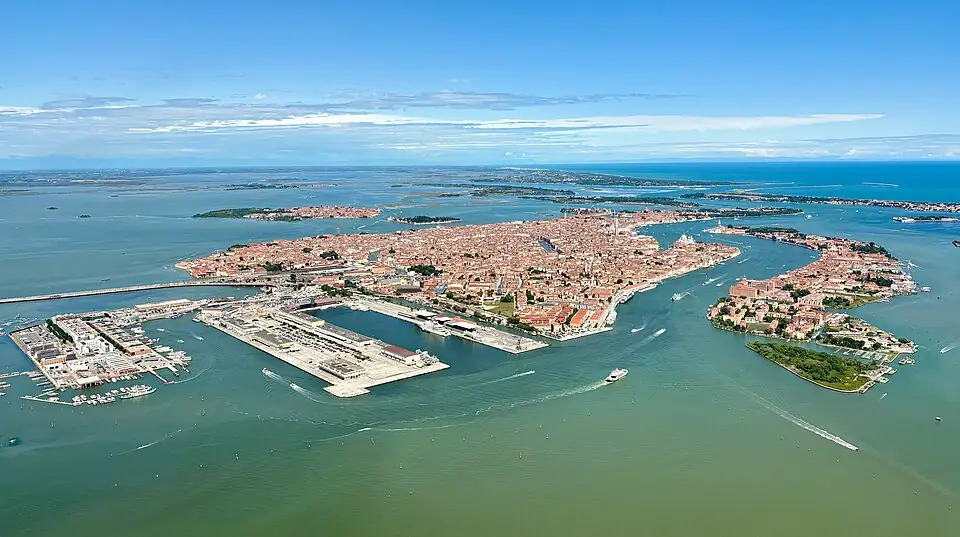
Quick Answer
- Ticket math: a 48-hour Venezia Unica card is around €35 and a 72-hour card around €45, which pays for itself beyond three or four single rides.
- Vaporetto Line 1: runs the full Grand Canal from Piazzale Roma, stopping at every landing, so ride it end to end as a slow sightseeing cruise.
- Evenings: a Vivaldi Four Seasons concert costs around €35–38, and cicchetti-style food runs €20–35 a day from market stalls versus €40-plus at sit-down restaurants.
- Budget: ticket costs for this route run around €95–105 per person before food and vaporetto fares.
- Airport buses: the ATVO Fly Bus costs around €12 and takes 20–25 minutes to Piazzale Roma, while the ACTV bus 5 Aerobus costs around €10.
The 3-Day Venice Itinerary Built Around the Boat, Not the Gondola
Buying single vaporetto tickets one at a time (around €9.50 a ride) adds up fast: four rides before lunch already costs more than a 48-hour travel card would have. That’s the version of Venice most first-timers stumble into: an incredible city, badly sequenced days, and money leaking out through the wrong ticket window.
The fix is sequencing by neighbourhood instead of chasing a “must-see” list across the whole city. San Marco and the Rialto sit a 10-minute walk apart, so they share a day. Dorsoduro and Cannaregio are quieter, more residential sestieri best explored on foot with one long ride down the Grand Canal folded in. And the lagoon islands (Murano, Burano and Torcello) are their own day entirely, because the boat out and back eats hours regardless of how tightly you plan. Here’s exactly how those three days play out, plus the vaporetto ticket math and the access-fee rule that trips up first-timers who’ve only read about the gondolas.
The Route at a Glance
Three days, three areas, and only one boat trip that counts as “transport” rather than sightseeing.
| Day | Area | Morning | Afternoon | Evening |
|---|---|---|---|---|
| 1 | San Marco + Rialto | Doge’s Palace + St Mark’s Basilica | Rialto Bridge and market | Market-stall dinner near San Polo |
| 2 | Dorsoduro + Cannaregio | Zattere waterfront on foot | Grand Canal vaporetto ride | Cannaregio canals for dinner |
| 3 | Lagoon islands | Murano glassblowing | Burano’s painted houses | Torcello, then back by late afternoon |
Day-by-Day
Day 1: San Marco and the Rialto
Start where Venice’s postcard sights actually cluster. The Doge’s Palace, on St Mark’s Square, was the seat of the old Venetian republic and connects via the Bridge of Sighs to the former prison, a standard timed-entry ticket runs around €35, and slots go fast through spring and summer, so book online before you fly rather than queue at the door. Pair it with St Mark’s Basilica next door; the basilica itself is largely free to enter, so the Doge’s Palace ticket is the one real cost of the morning.
By early afternoon, walk the short distance to the Rialto Bridge and its market. This is Venice’s oldest commercial heart, and the fish and produce stalls at the Rialto Market are worth a wander even if you’re not buying. Grab lunch from one of the food stalls right at the Rialto Market: small plates like baccalà mantecato on crostino, or sarde in saòr, run a couple of euros each, and eating standing up with a plate in hand is exactly how locals grab a quick lunch, not a tourist workaround.
Close the day with dinner from San Polo’s food stalls and casual cafés, just over the Rialto Bridge: pick up small plates like baccalà mantecato or sarde in saòr from a takeaway counter and eat them at a bench on a nearby campo, or sit down at a casual café for the same small-plate format. Think Venice’s version of tapas, just without the bar tab.
Day 2: Dorsoduro and Cannaregio, by foot and by water
Day two trades postcard density for the Venice that’s actually quieter. Spend the morning on foot in Dorsoduro, along the Zattere waterfront looking across to Giudecca: wide, sunny, and one of the few stretches of Venice with real open sky over the water instead of narrow canals pressing in on both sides.
After lunch, take the vaporetto down the Grand Canal: Line 1 runs the full length from Piazzale Roma, stopping at every landing, so it doubles as a slow sightseeing cruise past palazzi that once housed Venetian merchant families, for the price of a normal fare. A single ticket costs around €9.50 and covers 75 minutes of travel, including transfers, so ride it end to end rather than treating it as a quick hop.
Get off toward Cannaregio in the late afternoon and wander its quieter fondamente. This sestiere is where a lot of Venetians actually live, with neighbourhood cafés and fewer tour groups than San Marco. Have dinner here: the casual cafés and takeaway food counters along the Fondamenta della Misericordia serve the same small-plate format as San Polo, just with a more local crowd and lower prices.
Day 3: The lagoon islands: Murano, Burano and Torcello
The outer lagoon is its own day because the boat time is real: a combined Murano, Burano and Torcello tour runs around €25–30 for a half-day covering all three, or book a half-day lagoon islands boat tour around €28 if you’d rather see less water and more of each stop. Go early: the tour-boat crush builds by mid-morning, and getting out ahead of it makes a real difference on Burano especially.
Murano is the glassblowing island. Watch a furnace demonstration if your tour includes one, and browse the workshops rather than the tourist-facing shops right off the vaporetto stop. Burano is the photogenic one: brightly painted fishermen’s houses along tight canals, plus a centuries-old lace-making tradition. Torcello, the quietest of the three, holds an ancient cathedral and very little else. It’s the palate cleanser after Burano’s crowds, worth the stop precisely because almost no one lingers there.
Head back toward the historic centre by late afternoon; if you have energy left for one more Venice-specific evening, a Vivaldi Four Seasons concert (around €35–38) in a candlelit hall is the city’s classic evening pick: Vivaldi was born and worked here, and it’s a genuinely alcohol-free way to close out a lagoon day rather than an evening built around a bar.
Budget for This 3-Day Venice Itinerary
Ticket costs for this route run around €95–105 per person: Doge’s Palace (€35) + a combined lagoon islands tour (€25–30) + a Vivaldi concert if you add it (€35–38). Add vaporetto transport: either around €9.50 per single ride or around €35 for an unlimited 48-hour Venezia Unica card if you’re riding more than three or four times: plus food, figuring on €20–35 a day eating cicchetti-style from market stalls and casual cafés versus €40-plus a day at sit-down tourist-menu restaurants near St Mark’s Square. Add a mid-range hotel and the trip lands comfortably inside the 2-night Venice budgets in our wider Italy itinerary guide.
Shorter or Longer?
Only 2 days? Merge the lagoon islands into a half-day: do Murano and Burano only (skip Torcello) on the morning of day two, then spend the afternoon in Dorsoduro or Cannaregio instead of splitting them across a full separate day.
Have a 4th or 5th day? Add a full second day to the lagoon islands at a slower pace, or use the extra time as a base for the wider Rome-Florence-Venice route: our Italy itinerary guide covers how Venice slots in after Rome and Florence on the same high-speed rail spine.
Getting Between Venice’s Sights
Venice has no cars on the islands, so getting between sights means walking or taking the vaporetto: no other option exists once you’re on the island.
- Airport into the city: the Alilaguna Linea Arancio water bus runs from Marco Polo (VCE) to San Marco and Rialto in around 60–75 minutes for about €18 one-way: slower and pricier, but it drops you right among the canals. The cheaper ACTV bus 5 “Aerobus” reaches Piazzale Roma, where the vaporetti begin, in around 25–30 minutes for about €10; the ATVO “Fly Bus” express does the same run in around 20–25 minutes for about €12. See our transfers hub to compare airport options before you land.
- San Marco to the Rialto: a 10-minute walk, no boat needed.
- Across to Dorsoduro or Cannaregio: either walk (Dorsoduro is a short bridge-hop from San Marco; Cannaregio is close to the station) or ride vaporetto Line 1 down the Grand Canal, around €9.50 a single ticket for 75 minutes of travel.
- Out to the lagoon islands: book a combined tour, or ride the public ACTV vaporetto from Fondamente Nove yourself: either way, budget a half-day minimum for the boat time alone.
If Venice is the last stop on a longer Italy trip, our trains hub covers booking the Frecciarossa or Italo connection in from Florence (around 2 to 2 hours 20 minutes) or Rome.
Frequently Asked Questions
Is 3 days enough for Venice?
Yes, 3 days covers Venice’s essentials at a sane pace: San Marco and the Rialto on day one, Dorsoduro and Cannaregio on foot plus a Grand Canal vaporetto ride on day two, and the lagoon islands (Murano, Burano and Torcello) on day three. It won’t cover every campo and church, but it hits every must-see once without the rushed, cross-city sprint most first-timers try.
What is the best order to see Venice in 3 days?
Group by area rather than by fame: San Marco and the Rialto (a 10-minute walk apart) on day one, the quieter Dorsoduro and Cannaregio sestieri plus a Grand Canal vaporetto ride on day two, and the outer lagoon islands (Murano, Burano and Torcello) as their own day three, since getting out there and back by boat eats a half-day no matter how you time it.
How much do Venice’s main sights cost for a 3-day itinerary?
Budget around €35 for the Doge’s Palace (timed entry), around €25–30 for a combined Murano, Burano and Torcello boat tour, and around €42 for a gondola ride at the fixed city rate. A single ACTV vaporetto ticket runs around €9.50 (valid 75 minutes), or around €35 for an unlimited 48-hour Venezia Unica travel card if you’ll ride more than a few times.
Do I need to pay Venice’s access fee for a 3-day trip?
No, if you’re staying overnight. The 2026 access fee (around €5–10) only applies to day-trippers entering Venice’s historic centre on one of 60 marked dates between 3 April and 26 July, 08:30–16:00. Overnight guests registered at a Venice-municipality accommodation are exempt from paying but must still register on the official portal and carry the exemption QR code, or risk a fine.
How do I get around Venice by vaporetto?
A single ACTV vaporetto ticket costs around €9.50 and is valid for 75 minutes of travel, including transfers. If you’ll take more than three or four rides across your 3 days, a Venezia Unica travel card pays off fast: around €25 for 24 hours, €35 for 48 hours, or €45 for 72 hours, all unlimited on ACTV vaporetti and buses.
How do I get from Marco Polo airport to central Venice for a 3-day trip?
The Alilaguna Linea Arancio water bus runs from Marco Polo (VCE) to San Marco and Rialto in around 60–75 minutes for about €18 one-way. The cheaper ACTV bus 5 “Aerobus” reaches Piazzale Roma, where the vaporetti begin, in around 25–30 minutes for about €10; the ATVO “Fly Bus” does the same run slightly faster for about €12.
Book the Bones of the Trip
If something goes wrong on the ground, Italy’s single emergency number is 112, free and reachable even without a SIM.
Lock in flights and a first-night hotel, then sort the rest of the plan:
Find flights to Venice | Compare Venice hotels
Keep planning with our Venice hub, best things to do in Venice, where to stay in Venice, and the wider Italy itinerary guide if Rome or Florence come first.