Quick Answer
- Guided options: guided Colosseum skip-the-line tours start around €49 and premium full-access tours run up to around €159; Vatican guided skip-the-line starts around €34.
- Roma Pass: the 72-hour pass runs around €58 with two free attraction entries and free ATAC transit, but excludes the Vatican Museums and airport journeys.
- Day 3: Baroque Rome + Trastevere: Trevi Fountain, Piazza Navona and the Spanish Steps on foot, then across the river for the evening.
- Book ahead, no exceptions: the Colosseum and Vatican Museums both sell out timed entry slots in peak season.
- Budget: ticket costs alone run around €153 per person, plus €25–45 a day for food eating like locals versus €50-plus at tourist-menu restaurants.
Planning a 3-Day Rome Itinerary? Group the Sights by Area First
A first morning spent chasing the map’s “must-see” order (Colosseum, then the Vatican across town, back to the centre for the Pantheon, out to Trastevere for dinner, all in one day) burns more taxi kilometres than sightseeing minutes, and it is the easiest way to arrive somewhere without the one ticket that should have been pre-booked. Rome doesn’t punish a traveler for seeing too little in 3 days. It punishes bouncing between neighbourhoods that have nothing to do with each other.
The fix is embarrassingly simple once you see it: Rome’s sights cluster by area, so an itinerary that respects those clusters beats one built around “must-see” lists every time. This 3-day Rome itinerary groups ancient Rome, Vatican City and Baroque Rome plus Trastevere into their own days, with the transit and timing that actually make each day work.
The Route at a Glance
Three days, three areas, no backtracking across the city for a single sight.
| Day | Area | Morning | Afternoon | Evening |
|---|---|---|---|---|
| 1 | Ancient Rome | Colosseum, Roman Forum, Palatine Hill | Lunch nearby, then the Pantheon | Trevi Fountain at dusk |
| 2 | Vatican City | Vatican Museums + Sistine Chapel (early slot) | St Peter’s Basilica + dome climb | Quiet walk back along the river |
| 3 | Baroque Rome + Trastevere | Piazza Navona, Spanish Steps | Wander the historic centre’s alleys | Trastevere for dinner and a canal-side stroll |
Day-by-Day
Day 1: Ancient Rome: Colosseum, Forum, Palatine Hill and the Pantheon
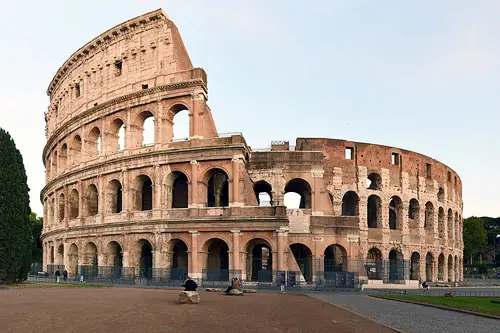
Start early. This is the day with the most walking and the longest queue risk if you haven’t pre-booked. The combined Colosseum, Roman Forum and Palatine Hill ticket with an audio guide runs around €35, and it’s the one ticket on this whole itinerary you genuinely cannot wing on arrival: timed entry slots sell out in peak season, sometimes days ahead. Guided skip-the-line tours start around €49, and premium full-access tours that add the underground chambers and upper tiers run up to around €159.
Go for the earliest slot you can get. The arena floor gets you inside the Colosseum itself, but budget real time for the Roman Forum and Palatine Hill next door: most first-time visitors rush these because the Colosseum wears them out, and they’re the bigger mistake to make. The Forum’s fallen columns and the Palatine’s views over the Circus Maximus reward slowing down.
By early afternoon, walk the roughly 20 minutes north to the Pantheon, now ticketed at around €14 for timed entry, a recent change, so don’t assume you can just walk in like Rome allowed for years. The oculus open to the sky is worth catching in the first slot of the day if your Colosseum morning runs long enough to push the Pantheon to a second day-one visit instead; either way, go before the tour groups fill the rotunda. Grab a plate of pizza al taglio or a couple of supplì (fried rice croquettes, around €1.50–2.50 each) from a stand near the Pantheon rather than a sit-down table on the square. It keeps you moving and costs a fraction of the tourist-row menus.
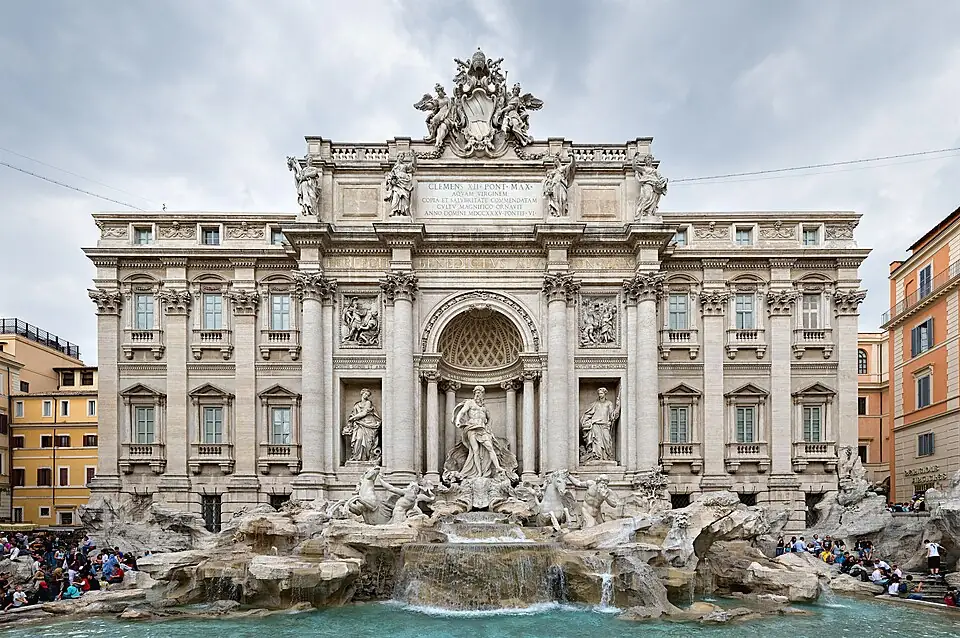
Close the day at the Trevi Fountain around dusk, when the crowds thin and the floodlights come on. It’s a five-minute walk from the Pantheon and free to visit: just don’t join anyone drinking on the fountain steps; a gelato from one of the surrounding gelaterie is the better way to linger.
Day 2: Vatican City: Museums, Sistine Chapel and St Peter’s Basilica
Vatican City is its own cluster across the river from ancient Rome, so give it a dedicated day rather than trying to bolt it onto day one. Standard admission to the Vatican Museums and Sistine Chapel runs around €69; a guided skip-the-line option starts around €34, and a combined ticket covering the Vatican Museums plus St Peter’s Basilica starts around €84. This is Rome’s single busiest sight. Book the earliest timed entry you can find, because the museum halls leading to the Sistine Chapel turn into a slow-moving river of people by midday.
St Peter’s Basilica itself is free to enter, but the security queue outside can run long regardless of what else you’ve booked, so head there straight after the museums rather than saving it for later. The dome climb is a separate paid experience (a guided visit including the climb runs around €35), and it’s the best view over St Peter’s Square and the rooftops of Rome you’ll get all trip. Treat the free basilica and the paid dome climb as two separate decisions: skip the climb if you’re short on time, but don’t skip the basilica.
Vatican City is not covered by the Roma Pass, so factor these tickets in separately even if you’re carrying one for the rest of the trip. For lunch, the streets just south of the Vatican walls (Borgo Pio) have simple trattorias and panini counters well below the prices right outside the museum entrance: walk two minutes further than the queue does.
Day 3: Baroque Rome and Trastevere
The final day is the one built for wandering rather than ticketed entries. Start at Piazza Navona, then work toward the Spanish Steps, threading through the narrow streets of the historic centre where most of Rome’s Baroque fountains and churches sit within a compact, walkable grid: no transit needed for this stretch. None of these central squares charge admission, so the day’s only real cost is food and the occasional espresso stop.
Spend the afternoon browsing the centre’s side streets and small piazzas at your own pace. This is deliberately the least scheduled day on the itinerary, and it’s the one that usually ends up being everyone’s favorite because there’s nothing to rush for.
Cross the river to Trastevere for the evening. It’s Rome’s best neighbourhood for dinner: cobblestone lanes, ivy-covered facades and trattorias serving cacio e pepe and supplì rather than tourist-menu pasta. Skip anywhere flashing a discounted tourist menu on a sandwich board out front: the neighbourhood’s real draw is the food and the atmosphere of its piazzas, especially Piazza di Santa Maria in Trastevere in the evening, not the tourist-menu terraces. A gelato or a granita afterward on the walk back across the Ponte Sisto is the better nightcap.
Budget for This 3-Day Rome Itinerary
Ticket costs alone for this route run around €153 per person: Colosseum/Forum/Palatine (€35) + Vatican Museums (€69) + St Peter’s dome climb (€35) + Pantheon (€14). Add roughly €1.50 per single ATAC transit ride or around €8.50 for a 24-hour transit pass if you’re moving around a lot rather than walking, plus food: figure on €25–45 a day eating the way locals do (pizza al taglio, supplì, a trattoria dinner in Trastevere) versus €50-plus a day at tourist-menu restaurants near the big sights. Add a mid-range hotel and the trip lands comfortably inside the 3-night budgets in our wider Italy itinerary guide.
Shorter or Longer?
Only 2 days? Merge day one and day three: do the Colosseum, Forum and Pantheon in the morning, then walk Baroque Rome (Trevi, Navona) in the afternoon, and dedicate the full second day to the Vatican. It doesn’t compress well since both the museums and St Peter’s deserve unhurried time.
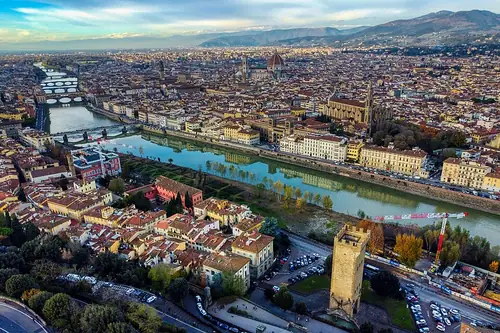
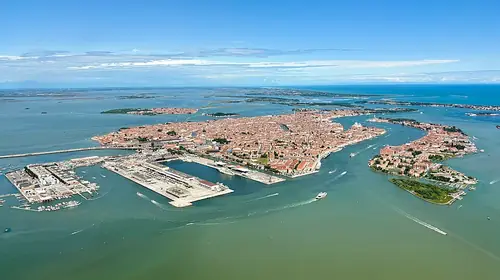
Have a 4th or 5th day? Add a half-day at the Galleria Borghese (book its own timed slot well ahead. It’s a separate, smaller museum from the Vatican) or a day trip out of the city; our wider Italy itinerary guide covers Florence and Venice add-ons if Rome is the first stop on a longer trip.
Getting Between Rome’s Sights
Rome’s historic centre is compact enough that days one and three need little more than walking: the sights on this itinerary sit within about a 20–30 minute walk of each other. Where you will use transit:
- Airport into the city: the Leonardo Express train runs non-stop from Fiumicino (FCO) to Roma Termini in about 32 minutes for around €14, departing every 15 minutes. The FL1 regional train covers the same route for around €8: roughly half the price, still every 15 minutes on weekdays. From Ciampino (CIA), Terravision and similar coach operators run to Termini for around €6 one-way, about 40 minutes. See our Rome airport guide for the full transfer breakdown, or compare options on our transfers hub.
- Ancient Rome to Vatican City: the metro or a short bus ride is faster than walking the roughly 40-minute distance between the two clusters, a single ATAC ticket costs around €1.50 and covers one metro ride plus unlimited bus/tram transfers within 100 minutes.
- Within the historic centre and Trastevere: walk it. Piazza Navona, the Spanish Steps and Trastevere all sit inside the same compact core, and a car adds nothing here: Rome’s ZTL restricted traffic zone fines uninsured entries automatically.
If Rome is one stop on a longer Italy trip, our trains hub covers booking Frecciarossa and Italo high-speed connections onward to Florence or Venice.
Frequently Asked Questions
Is 3 days enough for Rome?
Yes, 3 days covers Rome’s essentials at a sane pace: ancient Rome (Colosseum, Forum, Palatine Hill, Pantheon) on day one, the Vatican Museums, Sistine Chapel and St Peter’s Basilica on day two, and Baroque Rome plus Trastevere on day three. It won’t cover everything (day trips or a second Vatican visit need a fourth or fifth day), but it hits every must-see once.
What is the best order to see Rome’s sights in 3 days?
Group sights by area rather than by fame: ancient Rome (Colosseum, Forum, Palatine Hill, Pantheon) on day one, Vatican City (Museums, Sistine Chapel, St Peter’s Basilica) on day two since it’s a separate cluster across the river, and central Baroque Rome (Trevi Fountain, Piazza Navona, Spanish Steps) plus Trastevere on day three. This order avoids crisscrossing the city and matches how the sights actually cluster.
How much do the main Rome sights cost for a 3-day itinerary?
Budget around €35 for the Colosseum, Roman Forum and Palatine Hill (arena ticket with audio guide), around €69 for the Vatican Museums and Sistine Chapel (guided skip-the-line options start around €34), around €35 for a guided St Peter’s Basilica visit with the dome climb, and around €14 for the Pantheon’s timed entry. A combined Vatican Museums plus St Peter’s ticket starts around €84.
Do I need to book Colosseum and Vatican tickets in advance?
Yes, both are close to essential to pre-book. The Colosseum, Roman Forum and Palatine Hill ticket (around €35) and the Vatican Museums and Sistine Chapel (around €69) sell out their timed entry slots in peak season, sometimes days ahead. Book both the moment your travel dates are fixed, not after you land.
How do I get from Fiumicino airport to central Rome for a 3-day trip?
The Leonardo Express train runs non-stop from Fiumicino (FCO) to Roma Termini in about 32 minutes for around €14, departing every 15 minutes. The cheaper FL1 regional train runs around €8 to Termini, Tiburtina, Ostiense or Trastevere stations, and the official fixed taxi fare from Fiumicino into the historic centre is around €50.
Do I need a Roma Pass for 3 days in Rome?
Only if the math works out for your plan. The 72-hour Roma Pass costs around €58 and covers two free museum or attraction entries plus discounted entry after that, along with free ATAC bus and metro use, but it doesn’t cover airport journeys and it doesn’t cover the Vatican Museums, so a heavy Vatican-focused itinerary often does better buying tickets separately.
Book the Bones of the Trip
If something goes wrong on the ground, Italy’s single emergency number is 112, free and reachable even without a SIM.
Lock in flights and a first-night hotel, then sort the rest of the plan:
Find flights to Rome | Compare Rome hotels
Keep planning with our Rome hub, best things to do in Rome, Rome airport guide, where to stay in Rome, and the wider Italy itinerary guide if Florence or Venice come next.