Quick Answer
- Best time: April to early June and late September to October.
- Where to stay: Centro Storico or Monti; Trastevere for food; Termini for value.
- Fiumicino hours: the Leonardo Express runs from roughly 5:40 am to 11:30 pm; after that, take only the white official taxis from the rank.
- Passes: a 48-hour ATAC pass costs 15 euros, a 72-hour pass 22 euros and a 7-day CIS 29 euros; contactless bank cards also work at the gates.
- Tourist tax: 6 euros per person per night in a 3-star hotel, 7.50 euros in a 4-star and 10 euros in a 5-star, for up to 10 nights.
At a glance
- Best time
- Apr-early Jun, late Sep-Oct
- Currency
- Euro (€)
- Language
- Italian
- From the airport
- Leonardo Express, 32 min, €14
- Visa
- Schengen rules; EES at the border
- Getting around
- BIT ticket €1.50; 24h pass €8.50
Quick tips
- Go in spring or autumn. July and August average above 30°C.
- Book the Colosseum and the Vatican Museums before you fly. Timed slots sell out in season.
- Take the Leonardo Express or a fixed-fare taxi in. No haggling needed.
- Stay central and walk. The historic core is small and the streets are the attraction.
Prices below were checked against the official operators listed at the bottom of the page. For every transfer option in detail, see our Rome airport guide.
How do you get from Fiumicino airport to central Rome?
| Option | Time | 2026 price | Best for |
|---|---|---|---|
| Leonardo Express train | 32 min non-stop to Termini, every 15 min | 14 euros | Most travellers, no traffic risk |
| FL1 regional train | Varies | Cheaper than the Leonardo | Hotels near Trastevere, Ostiense or Tiburtina |
| Official taxi | Depends on traffic | 55 euros fixed inside the Aurelian Walls | Groups of 3 to 4 with luggage |
| Shuttle buses | Longer, traffic dependent | Cheapest | Tight budgets with time to spare |
The Leonardo Express runs from roughly 5:40 am to 11:30 pm from the airport. Take only the white official taxis from the rank; the fixed fare includes all supplements.
What to pack for Rome
Four picks from our gear guides that suit this trip. Each card opens the live Amazon price; the links below lead to the full comparisons.
25 x 18 x 4 cm, 254 g, 2.1 L. Locking zips, a cut-resistant double-cable strap, an RFID passport pocket and a strap that clips to a chair. Reader’s Digest’s best crossbody for travel.
Check price on Amazon Live price on AmazonThe best value compression set going. A double-zip pulls the air out so a week of clothes shrinks to a few inches thick, and you get eight pieces (cubes plus a shoe and laundry bag) for roughly the price of one branded cube. The fabric is thin and the zips aren’t lifetime kit, but for the money nothing beats it.
Check price on Amazon Live price on AmazonThe reliable all-rounder: one USB-C and four USB-A ports, plugs for 200+ countries, and a built-in fuse with a spare. The adapter most people should buy.
Check price on Amazon Live price on AmazonModel A1259, 10,000mAh, about 37Wh, 215 g. Two phone charges in a jacket pocket, and small enough that the two-bank limit never becomes a question.
Check price on Amazon Live price on AmazonHow do you get around Rome?
When is the best time to visit Rome?
Spring and autumn win, and summer is the trap. Average highs below are 1991 to 2020 normals for Rome Ciampino.
| Season | Average daily high | Crowds | Prices | Best for |
|---|---|---|---|---|
| Spring (Apr to Jun) | 19 to 28°C | Busy by May | Mid, climbing into June | Long walks, terraces |
| Summer (Jul to Aug) | Around 31°C | Heaviest at the sights | Peak | Early-morning sightseeing only |
| Autumn (Sep to Oct) | 22 to 27°C | Easing after September | Good value by mid-October | Soft light, calmer sights |
| Winter (Nov to Mar) | 12 to 17°C | Low, spiking at Christmas and Easter | Cheapest outside the holidays | Short queues, quiet museums |
In August many Romans leave town and some neighbourhood trattorias close for the holidays, even as the big sights stay packed. January, February and November are the cheapest months outside the holidays.
Where should you stay in Rome?
| Neighbourhood | Vibe | Price level | Best for |
|---|---|---|---|
| Centro Storico | Postcard heart, piazzas | Highest | First-timers who want to walk everywhere |
| Monti | Cobbled, local, central | Mid to high | Couples, food, near the Colosseum |
| Trastevere | Lively, restaurant-packed | Mid to high | Food and atmosphere; no metro |
| Near Termini | Practical, best-connected | Lowest | Budget, early trains and flights |
For a first visit, pick the Centro Storico or Monti and walk. Trastevere is the food-first choice, though its cobbles punish wheeled suitcases. Near Termini is the value play; stay on the Monti side. Our Rome where-to-stay guide goes street by street.
Tourist tax: Rome charges a contributo di soggiorno per person per night, for up to 10 nights: 6 euros in a 3-star hotel, 7.50 euros in a 4-star and 10 euros in a 5-star (lower in 1- and 2-star hotels), usually paid at check-in or check-out.
What should you not miss in Rome?
| Sight | 2026 ticket | Tip |
|---|---|---|
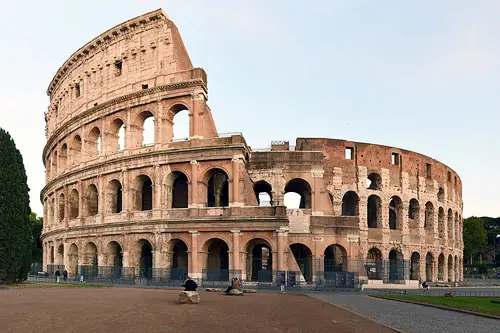
| Colosseum, Roman Forum and Palatine | 18 euros (24-hour ticket); 24 euros with arena access | Timed slots sell out; book on the official site and go early |
| Vatican Museums and Sistine Chapel | 20 euros, plus 5 euros to book online | Free on the last Sunday of the month (expect huge queues) |
| St Peter’s Basilica | Free (dome climb extra) | Arrive early for the security line |
| Pantheon | Small fee; free on the first Sunday of the month | Go at opening for the light through the oculus |
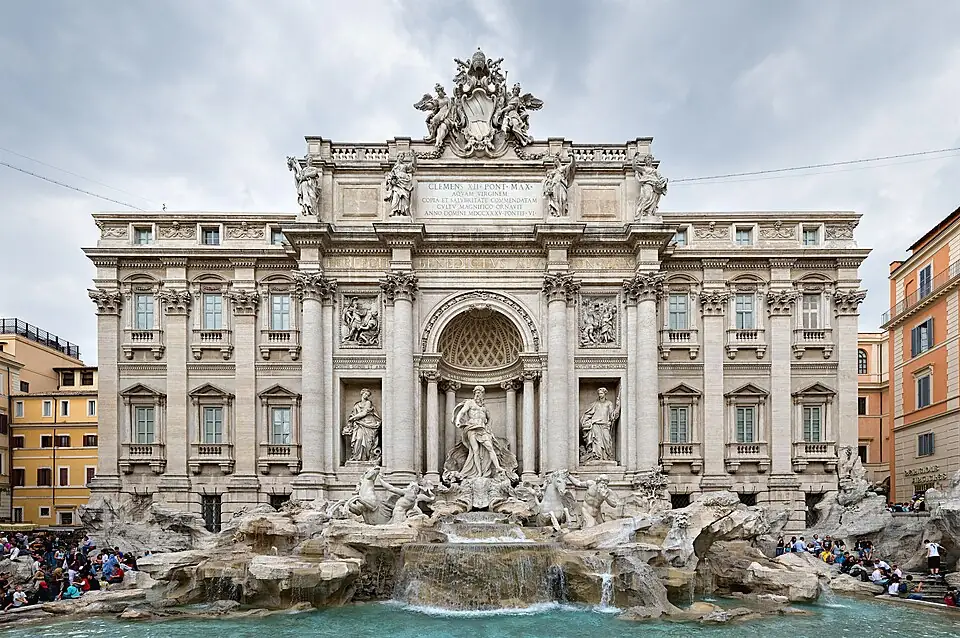
| Trevi Fountain | 2 euros to reach the basin; the square stays free | Book online at fontanaditrevi.roma.it |
For a full list, see our guide to things to do in Rome, or follow our 3-day Rome itinerary. The quiet wins are free: the Pincio terrace above Piazza del Popolo and the orange garden on the Aventine.
How do you eat well in Rome without overpaying?
- Supplì and pizza al taglio: fried rice croquettes and pizza sold by weight make the perfect walking lunch.
- Mercato di Testaccio: covered market stalls with fresh pasta and sandwiches, far from the tourist squares.
- Avoid the photo menus on the piazzas next to the big sights; walk two streets away.
- Ask for tap water or fill a bottle at the free public fountains (nasoni) all over the city.
Frequently Asked Questions
What is the best time to visit Rome?
April to early June and late September to October are the sweet spot: average highs of roughly 19 to 27°C, manageable crowds and prices below the summer peak. July and August average around 31°C and are busy at the big sights. Winter is the cheapest and quietest season, apart from the Christmas, New Year and Easter spikes.
Where should I stay in Rome for the first time?
Centro Storico and Monti keep you walkable to almost everything. Trastevere trades a metro stop for atmosphere and great food, and the streets around Termini are the cheapest base with the best transport links. Pick one central area, drop the bags, and walk: the historic core is small.
How do I get from Fiumicino airport into central Rome?
The Leonardo Express train runs non-stop from Fiumicino to Roma Termini in 32 minutes, every 15 minutes, for 14 euros. Regional FL1 trains serve Trastevere, Ostiense and Tiburtina instead. Official white taxis charge a fixed 55 euros to anywhere inside the Aurelian Walls, which suits groups of three or four.
Is the Roma Pass worth buying?
The Roma Pass bundles unlimited public transport with free or discounted entry to a couple of museums or sites. It pays off if you ride transit a lot and visit the big ticketed sights; if you mostly walk and pick one or two attractions, individual tickets and an ATAC pass (8.50 euros for 24 hours in 2026) are usually cheaper. Do the maths against your plan.
How do I get around Rome?
The historic centre is walkable, so you cover a lot on foot. Metro lines A and B, a dense bus network and the trams handle longer hops. A BIT ticket costs 1.50 euros for 100 minutes, and ATAC passes cost 8.50 euros for 24 hours, 15 euros for 48 hours and 22 euros for 72 hours.
How much does a day in Rome cost?
As a rough guide, budget travellers can manage on around 60 to 110 euros a day with a hostel or simple hotel, market lunches and a transit ticket. Mid-range visitors should plan for roughly 130 to 250 euros a day. Add the city tourist tax, from 6 euros per person per night in a 3-star hotel to 10 euros in a 5-star.
Start planning your Rome trip
Don’t book flights before you’ve checked Colosseum and Vatican availability for your dates: in spring the good slots go first, and they are harder to move than a flight.
Find cheap flights to Rome | Compare Rome hotel prices
Planning the wider trip? See our best time to visit Italy guide and browse more stays on the hotels hub.