Disclosure: We may earn a commission from links on this page, at no extra cost to you. How we earn
This article contains affiliate links. If you make a booking through these links, we may earn a commission at no extra cost to you. About & Affiliate Disclosure
Quick Answer
- High-speed = the way to travel: Frecciarossa + Italo, city-centre to city-centre, several an hour.
- Two operators, same routes: just book whichever is cheaper: prices are similar.
- Book advance fares weeks ahead (~€20–45 Rome–Florence vs €50–90 on the day); they’re train-specific and non-refundable.
- Regional trains are cheap and flat-priced: no need to pre-book, but validate the paper ticket on the platform or risk a fine.
- Venice = Santa Lucia (on the island), not Mestre; Florence = Santa Maria Novella; Rome = Termini.
- A rail pass rarely beats advance point-to-point fares on a focused Italy itinerary.
The Train System That Makes a Car Pointless
Ditching a rental car for the train is the single best move on a Rome-Florence-Venice trip: Rome to Florence in the time it takes to watch a film, arriving in the middle of the city instead of an airport on the edge of it, with no ZTL fines and no parking to find. Italy’s high-speed rail is genuinely one of the best in Europe, and once you understand the two operators, the fare trick and the two little traps that catch tourists, it turns the whole country into an easy chain of city centres.
Here’s exactly how it works, what it costs, and how to book it without overpaying.
High-Speed vs Regional: Which Train When
Italy runs two tiers of train, and knowing which you want saves both money and confusion.
| Type | Operators | Best for | Booking |
|---|---|---|---|
| High-speed (Frecciarossa, Italo) | Trenitalia, NTV | Between major cities (Rome, Florence, Venice, Milan, Naples) | Book ahead, seat reserved, train-specific |
| Regional (Regionale, Regionale Veloce) | Trenitalia | Short/local hops (Florence–Pisa, Naples–Pompeii, Cinque Terre) | Flat price, buy any time, validate paper tickets |
| InterCity | Trenitalia | Cheaper medium-distance, slower than high-speed | Book ahead for lower fares |
For the classic Rome–Florence–Venice route it’s high-speed all the way; add regional trains for day trips and the Cinque Terre.
Routes, Times & Typical Fares
Approximate high-speed journey times and advance fares (city-centre to city-centre):
| Route | Time | Advance fare | Walk-up fare |
|---|---|---|---|
| Rome → Florence | ~1h32 | €20–45 | €50–60 |
| Florence → Venice | ~2h | €25–50 | €55–75 |
| Rome → Naples | ~1h10 | €15–40 | €45–55 |
| Rome → Milan | ~3h | €30–60 | €90–110 |
| Milan → Venice | ~2h25 | €25–50 | €60–80 |
The gap between advance and walk-up is the whole game: booking weeks ahead routinely halves the price.
How to Book (and Pay the Least)
The Two Traps That Fine Tourists
1. Validate your regional ticket
A paper regional ticket isn’t valid until you stamp it in the small green-and-white convalida machine on the platform before boarding. Skip it and an inspector can fine you €50+ even with a ticket in hand. High-speed tickets (with a seat and specific train) and mobile/print-at-home tickets don’t need validating. They’re already tied to a date.
2. Get off at the right Venice station
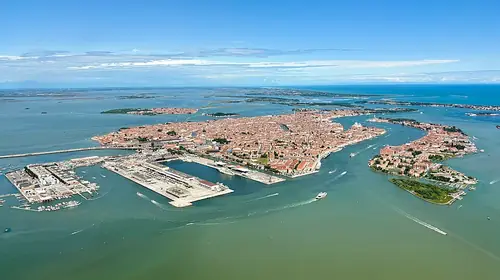
Venezia Santa Lucia is on the island, steps from the Grand Canal. Venezia Mestre is on the mainland: cheaper hotels, but you’ll add a short local hop across the causeway every time. For Florence, aim for Firenze Santa Maria Novella (SMN), the central station; some trains stop at outlying Firenze stations that are less convenient.
Is a Rail Pass Worth It?
For a focused Italy trip, almost never. A Eurail/Interrail pass rarely undercuts advance point-to-point fares, and high-speed trains still charge a compulsory seat reservation on top of the pass. Passes earn their keep on long, spontaneous, multi-country European trips: not a Rome–Florence–Venice line you can book cheaply weeks ahead. See our Italy itinerary for the route and our Italy budget guide for how train costs fit the wider trip.
Frequently Asked Questions
What is the best way to travel between Italian cities?
High-speed trains are the best way to travel between major Italian cities: Frecciarossa and Italo link Rome, Florence, Venice, Milan and Naples city-centre to city-centre, faster and simpler than flying. Rome to Florence takes about 1 hour 32 minutes. Book advance fares a few weeks ahead for the lowest prices, and use cheap regional trains for shorter local hops.
What is the difference between Frecciarossa and Italo?
Frecciarossa is run by the state operator Trenitalia and Italo by the private company NTV; both are fast, modern high-speed trains that compete on the same major routes, so prices are similar and you should simply book whichever is cheaper for your time. Trenitalia also runs the slower, cheaper regional trains that Italo does not, so it covers more of the country.
When should I book Italian train tickets?
Book high-speed tickets a few weeks ahead: advance fares (Trenitalia’s Super Economy, Italo’s Low-cost) run 40 to 60 percent below the walk-up price, for example Rome to Florence from around 20 euros booked early versus 50 to 60 euros on the day. These cheap fares are fixed to a specific train and non-refundable. Regional train tickets are a flat price, so there is no need to book them ahead.
Do I need to validate my train ticket in Italy?
Only regional tickets. A paper regional train ticket must be validated (convalida) in the green or white machine on the platform before boarding, or you risk a fine of 50 euros or more. High-speed tickets with a booked seat and specific train do not need validating, and mobile or print-at-home tickets scanned by the conductor are already valid.
Is a rail pass worth it in Italy?
Usually not for an Italy-only trip. A Eurail or Interrail pass rarely beats advance point-to-point fares on Frecciarossa and Italo, and high-speed trains still require a paid seat reservation on top of the pass. A pass mainly makes sense for a longer multi-country European trip with lots of spontaneous travel, not a focused Rome-Florence-Venice route.
Which station should I use in Venice, Florence and Rome?
In Venice use Venezia Santa Lucia, which is on the island itself; Venezia Mestre is on the mainland and means an extra local hop across the causeway. In Florence use Firenze Santa Maria Novella (SMN), the central station. In Rome, Roma Termini is the main hub for high-speed and regional trains and both airport links.
Plan Your Italy Trip by Train
Book the high-speed legs a few weeks out, take whichever operator is cheaper, validate any paper regional ticket, and step off in the middle of each city instead of an airport on the edge. Do that and Italy becomes a simple chain of city centres: no car, no ZTL fines, no parking.
Find cheap flights to Italy | Compare Rome hotels
Keep planning with our Italy itinerary, Italy budget guide, where to stay in Rome and best time to visit Italy.