Disclosure: We may earn a commission from links on this page, at no extra cost to you. How we earn
This article contains affiliate links. If you make a booking through these links, we may earn a commission at no extra cost to you. About & Affiliate Disclosure
Quick Answer
- Cappuccino is a morning drink: after meals, order a quick espresso at the bar.
- Coffee costs less standing at the bar than sitting at a table (two price lists).
- Churches = covered shoulders and knees: carry a scarf or you’ll be turned away.
- Tipping is light, a small coperto cover charge is normal; just round up.
- Dinner is late (8–9pm); kitchens often close mid-afternoon.
- Carry cash for markets, cover charges and small cafés, and validate regional train tickets.
The Mistake That Marks You as a Tourist in Three Seconds
Order a cappuccino after a big lunch in Rome and the waiter won’t blink: it simply arrives, often with a small, knowing smile, because a milky coffee after a meal is the single clearest “I’m a tourist” signal in Italy. Nobody minds. But that little smile is the whole point of this guide: Italian etiquette is rarely about offence and almost always about knowing the local rhythm (the coffee, the mealtimes, the cover charge) well enough to eat better and pay less.
None of this is about being perfect. It’s the handful of small things that turn you from an obvious tourist into a relaxed guest.
Coffee: The Rules Everyone Gets Wrong
Coffee is where tourists give themselves away fastest, and the rules are simple once you know them.
Dining Etiquette
Italian meals have a rhythm worth matching. It’s where the country is at its best.
- Dinner is late. Restaurants open around 7:30pm; locals eat 8–9:30pm. Turn up at 6pm and you’ll find kitchens closed or empty tourist rooms.
- The coperto is normal. A €1–3 per-person cover charge for bread and the table setting is standard, printed on the menu: not a scam.
- Don’t ask for cheese on seafood. Parmesan on a seafood pasta is a genuine faux pas to Italian cooks; skip it.
- Bread isn’t a starter with oil. Bread comes to accompany the meal, not as a dish dunked in olive oil before it.
- The bill won’t come until you ask. Lingering is expected; catch the waiter’s eye and ask for il conto.
- Water is bottled and chosen. You’ll be asked naturale (still) or frizzante (sparkling); tap water isn’t the default.
Churches & Dress Code
Italy’s great churches are working places of worship with an enforced dress code: shoulders and knees covered, for everyone. St Peter’s, the Duomo in Florence and Milan, and countless others turn away visitors in vests, short shorts or short skirts. Carry a light scarf or shawl and you can cover up at the door. Plan sightseeing days around it: being refused entry to the sight you queued for is a preventable disappointment.
Mistakes Tourists Make Most
| Mistake | Do this instead |
|---|---|
| Cappuccino after a meal | A quick espresso (un caffè) |
| Sitting down for a €1 coffee | Drink it standing at the bar |
| Cheese on seafood pasta | Leave it off, it’s a real faux pas |
| Expecting a big breakfast | Coffee + cornetto, standing |
| Over-tipping 15–20% | Round up; the coperto covers service |
| Shorts/bare shoulders in churches | Carry a scarf to cover up |
| Eating beside major sights | Walk two streets back for better, cheaper food |
| Assuming everywhere takes cards | Carry cash for cover charges and small cafés |
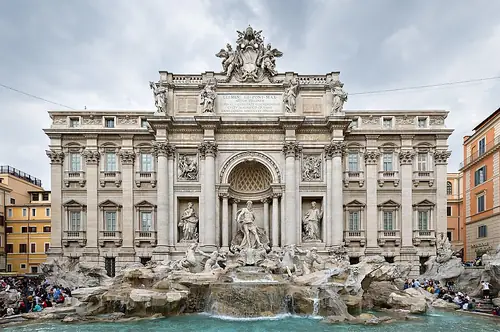
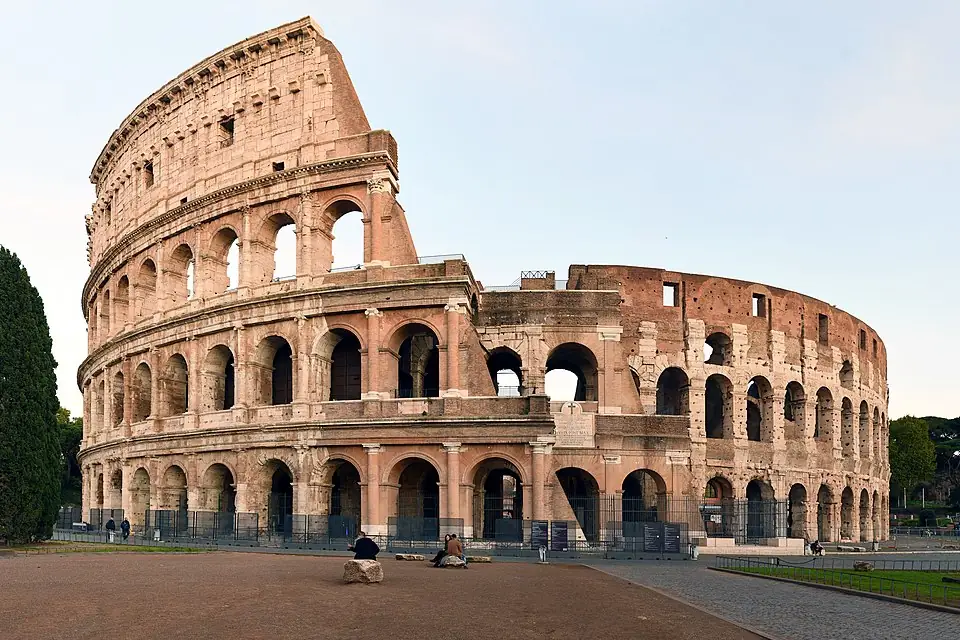
The restaurants with photo menus and a waiter waving you in right next to the Colosseum or Trevi Fountain are the ones to avoid: walk a few streets away and both the food and the prices improve sharply.
A Few Words Go a Long Way
You don’t need fluent Italian, but a few courtesies earn real warmth:
- Buongiorno / Buonasera: good morning / good evening (use on entering a shop or café)
- Per favore, please
- Grazie, thank you
- Prego. You’re welcome / go ahead
- Il conto, per favore, the bill, please
- Scusi: excuse me (to get attention or apologise)
Frequently Asked Questions
What are the most common mistakes tourists make in Italy?
The most common mistakes are ordering a cappuccino after lunch or dinner, asking for cheese on seafood pasta, expecting a big cooked breakfast, over-tipping, wearing shorts or bare shoulders into churches, and eating at the tourist-trap restaurants right next to major sights. None are offensive, but avoiding them means better food, lower prices and blending in rather than standing out.
Do you tip in Italy?
Tipping is not expected the way it is in the US. Many restaurants add a small per-person cover charge (coperto) of 1 to 3 euros, and service is usually included, so locals simply round up or leave a euro or two for good service. A 15 to 20 percent tip is unnecessary; leaving nothing extra is normal and not rude.
Why can’t you order a cappuccino after a meal in Italy?
Italians drink milky coffees like cappuccino only in the morning, because milk is considered heavy on a full stomach. After lunch or dinner the custom is a small espresso, taken quickly, often standing at the bar. Ordering a cappuccino after a meal is not offensive, just an instant tourist giveaway; nobody will stop you.
What is the dress code for churches in Italy?
Major churches including St Peter’s Basilica and the Duomo enforce a modest dress code: shoulders and knees must be covered for both men and women, so no vests, short shorts or short skirts. Carry a light scarf or shawl to cover up on the spot. Guards turn away anyone dressed too casually, so it is worth planning your outfit around the day’s church visits.
What is the coperto on an Italian menu?
The coperto is a small per-person cover charge, usually 1 to 3 euros, that many Italian restaurants add for the table setting, bread and service. It is normal, legal and printed on the menu, not a scam. Because service is generally covered this way, there is no need to add a large tip on top.
How late do Italians eat dinner?
Dinner in Italy is late by many visitors’ standards: restaurants typically open for dinner around 7:30pm, and locals often sit down between 8 and 9:30pm, later in the south and in summer. Lunch runs roughly 1 to 2:30pm. Many kitchens close in the mid-afternoon, so plan around these windows rather than expecting all-day dining.
Travel Italy Like a Relaxed Guest
Get the handful of basics right: coffee in the morning, espresso after, covered shoulders in churches, late dinners, a little cash, and the rest you’ll pick up by watching. Italians won’t expect perfection from a visitor; matching the rhythm is what makes the food, and the trip, better.
Find cheap flights to Italy | Compare Rome hotels
Keep planning with our Italy itinerary, Italy budget guide, Italy trains guide and best time to visit Italy.