Quick Answer
- When: October to June; November to March for mild winter sun, with highs around 16 to 21°C and snow on Etna.
- Where to stay: around Piazza del Duomo or Via Crociferi for walking; the Teatro Massimo Bellini area for evenings.
- From the airport: AMTS Alibus, 4 euros, about 15 minutes to the Central Station.
- Etna: cable car 54 euros, Tour 3000 82 euros; the summit craters only with a licensed guide.
- Watch out: check the INGV bulletin before Etna, and book the Benedictine monastery tour ahead.
At a glance
- Best time
- Oct–Jun; Nov–Mar for mild winter sun
- Time needed
- 3 to 4 days
- Currency
- Euro (EUR)
- Language
- Italian
- From the airport
- AMTS Alibus, 4 euros, about 15 minutes
- Getting around
- Walking, AMTS buses, metro, Circumetnea
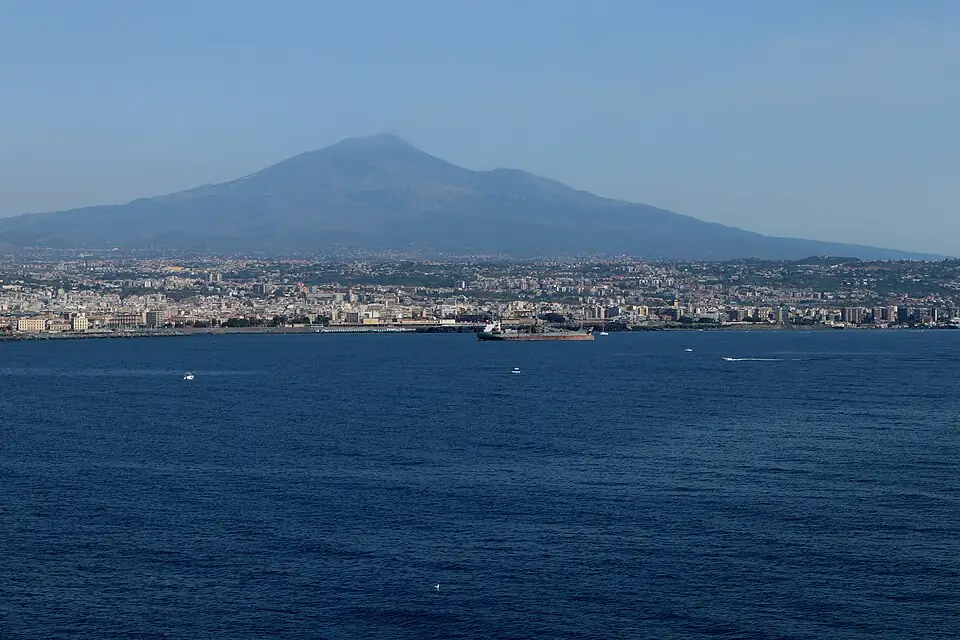
Catania is built from the volcano that looms over it. Its baroque churches are dark lava stone, its fish market is one of the loudest in Italy, and the snow on Etna is visible from the seafront for much of the winter. The trip comes down to three choices: the season, the neighbourhood, and how you tackle the mountain. Prices, hours and fares below were checked on 10 October 2026.
When is the best time to visit Catania?
Catania works almost all year. October to June is the sweet spot for sightseeing and Etna, and November to March is when it earns its place on a winter-sun list: mild days, few crowds and low hotel prices, with snow on the volcano.
| Period | Average high / low | Rainy days a month | Best for |
|---|---|---|---|
| November | around 21°C / 10°C | about 6 | Warm afternoons, quiet streets |
| December | around 17°C / 7°C | about 8 | Mild city break, snow on Etna |
| January | around 16°C / 5°C | about 6 | The calmest, cheapest month |
| February | around 16°C / 5°C | about 6 | City sights without queues |
| March | around 19°C / 6°C | about 6 | Longer days, spring light |
| Spring (Apr–Jun) | around 21–31°C / 9–17°C | 1 to 5 | Etna hikes, first swims |
| Summer (Jul–Aug) | around 34°C / 19–20°C | under 2 | Beaches, but very hot streets |
| Autumn (Sep–Oct) | around 26–30°C / 15–18°C | about 5 | Warm sea, thinning crowds |
Figures are rounded WMO 1991–2020 normals for Catania Sigonella, an inland station on the plain south-west of the city, so the seafront centre is usually a little less chilly on winter nights. Etna is a different climate altogether: at the cable car’s top station, 2,500 metres up, winter means snow, wind and temperatures below freezing, so bring a proper jacket, hat and gloves even when the city is in shirtsleeves. For other mild-winter picks, see our winter sun in Europe guide and where to go in January.
Where should you stay in Catania?
The historic centre is compact and flat between the cathedral and the Benedictine monastery, then climbs gently north along Via Etnea, the main street that points straight at the volcano.
| Area | Best for | Trade-off |
|---|---|---|
| Piazza del Duomo and Via Etnea | First-timers, the cathedral, the fish market, Alibus stops | Busy and noisy; small rooms in old buildings |
| Via Crociferi and the monastery quarter | Baroque streets, quieter nights | A few minutes uphill from the seafront |
| Teatro Massimo Bellini area | Cafés, evening crowds, central location | Lively late into the night at weekends |
| Ognina and the seafront | Sea views, calmer streets | A bus ride from the centre |
| Near the Central Station | Early trains and buses | The least attractive area to linger |
First time? Stay around Piazza del Duomo or Via Crociferi and walk everywhere. Pick the Teatro Massimo Bellini area if you want evenings out at cafés and gelato shops, and Ognina only if a sea view matters more than the sights. Rooms in the centre fill early around the Feast of Sant’Agata in early February and over Easter, so compare Catania hotel prices for your dates before you settle on an area.
How do you get to and around Catania?
Catania Fontanarossa airport (CTA) is the busiest in Sicily and sits just south of the city. Our Sicily guide explains when to fly into Catania rather than Palermo.
If you are touring the rest of the island, our car rental in Sicily guide covers pick-up at Catania airport and the city’s ZTL, and our Italy trains guide explains regional tickets.
What should you not miss in Catania?
Catania is one of the eight Sicilian towns rebuilt after the earthquake of 1693 that UNESCO inscribed in 2002 as the Late Baroque Towns of the Val di Noto. Most of the centre is free to walk.
| Sight | Entry (2026) | Tip |
|---|---|---|
| Piazza del Duomo and the Elephant Fountain | Free | The lava-stone elephant is the city’s symbol |
| Cathedral of Sant’Agata | Church free | Dedicated to the city’s patron saint |
| La Pescheria (fish market) | Free | Go in the morning, when it is at its loudest |
| Via Etnea | Free | Walk north for the Villa Bellini gardens and Etna views |
| Via Crociferi | Free | A short street lined with baroque churches |
| Monastero dei Benedettini di San Nicolò l’Arena | Guided tour 10 euros | Daily 10:00 to 17:00, booking required |
The Benedictine monastery is the sight to book first. It now houses the University of Catania’s humanities department, and Officine Culturali runs the guided tours: cloisters, the sixteenth-century basement with the remains of Roman houses, the Novices’ Garden, the eighteenth-century kitchens and the monumental staircase. Tours run every day from 10:00 to 17:00, in Italian by default, with separate English tours, and the full ticket is 10 euros (7.50 euros for over-65s and some members). Book a slot online first.
Markets and street food
La Pescheria, just behind Piazza del Duomo, is where Catania shops for fish, and the surrounding lanes fill with stalls selling fruit, vegetables and cheese. Look for:
- Arancini: fried rice balls; in Catania they are called arancino and are usually cone-shaped, a nod to Etna.
- Pasta alla Norma: pasta with tomato, fried aubergine and salted ricotta, the city’s signature dish.
- Granita with brioche: almond, pistachio, lemon or coffee granita with a soft brioche, eaten for breakfast in warmer months.
- Cartocciate and pastries: baked dough filled with ham and cheese, plus cannoli and almond biscuits from the bakeries along Via Etnea.
Eat standing at the market counters and neighbourhood bakeries and you pay everyday prices rather than tourist-menu ones.
How do you visit Mount Etna from Catania?
Mount Etna, inscribed by UNESCO in 2013, is the main reason many people pick Catania. The south side is the easiest approach: Rifugio Sapienza, above Nicolosi, is where the road ends and the Funivia dell’Etna cable car starts.
| Option | Price (2026) | What you get |
|---|---|---|
| Cable car to 2,500 m | 54 euros | Round-trip fast-track cable car from about 1,920 m |
| Tour 3000 | 82 euros | Cable car, 4x4 bus or snowcat to almost 3,000 m, alpine or volcanological guide |
| Guided summit trek | Varies by guide | The only legal way into the summit craters zone |
The cable car runs daily from 8:30, with the last descent at 17:15, subject to weather, volcanic activity and technical checks. Windproof jackets and shoes can be rented at the top station, and large luggage and drones are not allowed.
The summit rules are strict, and they change with the volcano. The municipal ordinances in force in 2026 treat the area above about 2,500 metres as the Summit Zone, and the active summit craters sit inside a smaller Permanent Hazard Zone. You can enter it only with an authorised alpine or volcanological guide, wearing a helmet and mountain clothing, in groups of up to 10 per guide, and nobody may go within 300 metres of the base of the South-East Crater. When the alert level rises to pre-alarm, the Permanent Hazard Zone closes to everyone; at alarm, the whole Summit Zone closes. Before you go, check the INGV Osservatorio Etneo bulletin and ask your guide or the cable car office whether the upper slopes are open.
Public transport up the mountain is very limited, so most visitors book a tour from Catania or drive. In winter the road and upper slopes can be snowbound: carry chains or check conditions with your hire company.
Around the volcano by train
The Ferrovia Circumetnea is a narrow-gauge railway that circles the lower slopes of Etna through lava fields, pistachio orchards and small towns. Trains do not run on Sundays or public holidays, and the timetable has changed during works on the Catania metro extension, so download the current one from circumetnea.it before you plan around it.
What day trips can you take from Catania?
- Taormina: the hill town with the Greek theatre framing Etna and the sea. Interbus runs direct buses from Catania airport roughly every 30 minutes.
- Syracuse and Ortigia: the Greek theatre, the archaeological park and the island old town. Interbus and regional trains both run from Catania.
- Mount Etna: a full day with the cable car or a guided tour, as above.
- The baroque towns: Noto, Modica and Ragusa, part of the same UNESCO site as Catania, are easiest by hire car.
- Further afield: for the west of the island, see our Palermo guide, and for the whole island, the Sicily travel guide. For a southern Italy pairing, continue to Naples.
What goes wrong in Catania?
- Treating Etna like a city outing. The top station is cold, windy and often snowy in winter. Dress for a mountain, not for the seafront.
- Walking into the summit zone alone. The summit craters require a licensed guide, and access closes automatically when the alert level rises.
- Showing up at the Benedictine monastery without a booking. Tours are booked online by time slot.
- Planning a Circumetnea trip for a Sunday. The railway does not run on Sundays or public holidays.
- Taking an unlicensed car from the airport. Use the white city taxis or the Alibus.
- Driving into the old town. Catania has a limited traffic zone, and rental cars get fined through the hire company. Park outside the centre.
Italy is in the Schengen area, so check the Schengen 90/180 rule and the EU Entry/Exit System and ETIAS guide before you fly. For mobile data, see our Italy eSIM guide, and for daily costs, our Italy budget guide.
How many days do you need in Catania?
Three to four days is the sweet spot: day one for Piazza del Duomo, the fish market and Via Etnea; day two for Mount Etna; day three for Taormina or Syracuse; and a spare day for the Benedictine monastery, Via Crociferi or a second day trip. With a hire car, Catania also makes a good base for the whole east of Sicily.
Sources
Prices, hours and fares were checked on 10 October 2026 against Funivia dell’Etna, the Comune di Belpasso’s Etna summit ordinance of 10 August 2026, the INGV Osservatorio Etneo, AMTS Catania, Catania airport, the Ferrovia Circumetnea, Officine Culturali at the Monastero dei Benedettini and UNESCO. Climate figures are the WMO 1991–2020 normals for Catania Sigonella. The full list sits in the sources box below.
Frequently Asked Questions
Is Catania worth visiting in winter?
Yes, if you want a mild city break with a volcano on the doorstep. Average highs at the Catania Sigonella weather station are around 16 to 17°C from December to February, with only six to eight rainy days a month, while Mount Etna above the city usually carries snow. The baroque centre, the fish market and the Benedictine monastery all stay open, and hotel prices are at their lowest.
Where should I stay in Catania for the first time?
Stay in the historic centre between Piazza del Duomo, Via Etnea and Via Crociferi, so the cathedral, La Pescheria fish market, the Benedictine monastery and the Alibus stops are all walkable. The streets around the Teatro Massimo Bellini are livelier in the evening, the seafront at Ognina is quieter, and the area by the Central Station suits an early train or bus but is the least pleasant to linger in.
How do I get from Catania airport to the city centre?
Take the AMTS Alibus from the stop in front of the old terminal. A ticket costs 4 euros, bought on board by cash or card or in the AMTS app, and it is also valid for 90 minutes on other AMTS city buses. Buses run every 25 minutes from 04:40 to 00:30 and reach the Central Station in about 15 minutes before continuing to Via Etnea and Piazza Stesicoro.
How much does the Mount Etna cable car cost?
Funivia dell’Etna charges 54 euros for the round-trip cable car from about 1,920 metres at Rifugio Sapienza to 2,500 metres, and 82 euros for its Tour 3000, which adds a 4x4 bus or snowcat to almost 3,000 metres and an alpine or volcanological guide. The cable car runs daily from 8:30, subject to weather and volcanic activity.
Can you walk to the summit craters of Etna?
Only with an authorised alpine or volcanological guide. Under the municipal ordinances in force in 2026, the Permanent Hazard Zone around the active summit craters can be visited only with a licensed guide, a helmet and suitable mountain clothing, in groups of up to 10 per guide. If the alert level rises, all access is banned automatically, so check the INGV bulletin and your guide before you go.
How many days do you need in Catania?
Three to four days is enough: one day for Piazza del Duomo, the fish market and Via Etnea, one for Mount Etna, one for a day trip to Taormina or Syracuse, and a spare day for the Benedictine monastery or a second trip. Add more if you want to use Catania as a base for the whole of eastern Sicily.
Start planning your Catania trip
If you are only passing through on a Sicily road trip, one night near Piazza del Duomo is enough before heading up to Etna. If Catania is the trip, compare a few dates between November and March first: that is when rooms are cheapest and the snow on the volcano is at its best.
Find cheap flights to Catania | Compare Catania hotel prices
Planning the wider trip? See our best time to visit Italy guide, the Sicily travel guide, our Palermo guide and the hotels hub.