Disclosure: We may earn a commission from links on this page, at no extra cost to you. How we earn
This article contains affiliate links. If you make a booking through these links, we may earn a commission at no extra cost to you. About & Affiliate Disclosure
Quick Answer
- Best overall: late May, June and September, for mild weather plus shoulder-season prices.
- Cheapest flights and hotels: November to March, often 30 to 40 percent below the summer peak.
- Avoid for price and crowds: July, August, Easter, the May bank holidays, and the Christmas-New Year block.
- Region matters: the north and Paris are mild and changeable, the Mediterranean south is hot and dry, the Alps are a winter world of their own.
- Book flights 5 to 8 weeks ahead for European routes, 2 to 3 months ahead for peak summer and holidays.
The Best Time to Visit France, in One Sentence
The first week of August looks like an obvious time to visit Paris and Provence because school holidays make flights cheap, but that same week packs Provence’s roads with holiday traffic and closes a share of Paris’s shops and restaurants for the grandes vacances. The same trip in late June usually comes back cheaper and noticeably calmer.
The best time to visit France is late May, June or September: mild sun, long evenings, lighter crowds than midsummer, and flights and hotels comfortably below the August peak. The right month, though, depends on whether you want Paris in bloom, the Riviera’s warm September sea, or rock-bottom city-break prices, and those pull in different directions.
France runs from the cool, gray Channel coast to the sun-drenched Mediterranean and the high Alps, so “the weather” is really several climates at once. Get the timing right and you save real money while dodging the queues at the Louvre and the crush on the Cote d’Azur. Skip ahead if you already know your month; otherwise, the season that looks safest on paper, high summer, is worth a second look before booking it.
What to pack for France
Four picks from our gear guides that suit this trip. Each card opens the live Amazon price; the links below lead to the full comparisons.
25 x 18 x 4 cm, 254 g, 2.1 L. Locking zips, a cut-resistant double-cable strap, an RFID passport pocket and a strap that clips to a chair. Reader’s Digest’s best crossbody for travel.
Check price on Amazon Live price on AmazonThe best value compression set going. A double-zip pulls the air out so a week of clothes shrinks to a few inches thick, and you get eight pieces (cubes plus a shoe and laundry bag) for roughly the price of one branded cube. The fabric is thin and the zips aren’t lifetime kit, but for the money nothing beats it.
Check price on Amazon Live price on AmazonThe reliable all-rounder: one USB-C and four USB-A ports, plugs for 200+ countries, and a built-in fuse with a spare. The adapter most people should buy.
Check price on Amazon Live price on AmazonModel A1259, 10,000mAh, about 37Wh, 215 g. Two phone charges in a jacket pocket, and small enough that the two-bank limit never becomes a question.
Check price on Amazon Live price on AmazonBuild Your France Itinerary
The mistake most first-timers make is trying to see all of France in one trip. Don’t. France rewards pairing two or three regions and letting each one breathe over a few days far more than it rewards a frantic dash from the Alps to the Atlantic. The good news is the TGV makes the pairing easy: Paris to Avignon (for Provence) is under three hours, Avignon to Nice another three, so you can hop between very different worlds without losing a day to driving.
Start by picking your anchor by season, then add a neighbor that’s at its best the same week.
| Region / City | Best months | How long to stay | Pairs well with |
|---|---|---|---|
| Paris | Apr–Jun, Sep–Oct (good year-round) | 3–4 days | Mont-Saint-Michel & Normandy, or a TGV south |
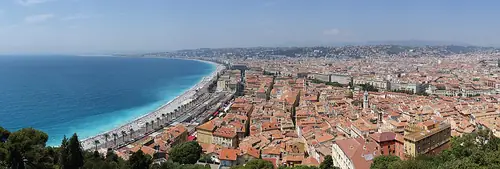
| French Riviera (Nice) | May–Sep | 3–4 days | Provence (1 hr by train) |
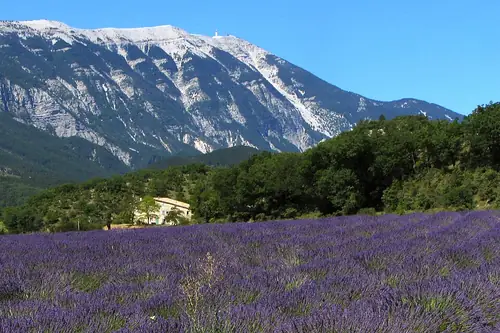
| Provence | Late Jun–mid-Jul for lavender; May & Sep otherwise | 3–5 days | French Riviera |
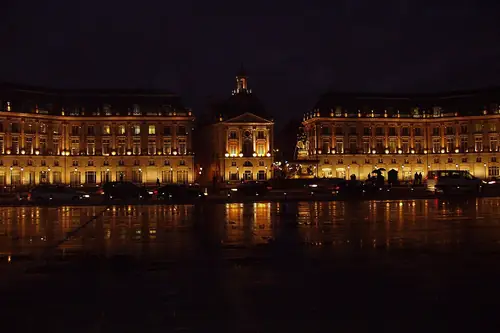
| Bordeaux | Spring–autumn (Apr–Oct) | 2–3 days | Paris (2 hrs by TGV), Loire châteaux |
| Mont-Saint-Michel & Normandy | May–Sep | 2–3 days | Paris |
A few honest notes: Paris works in any month, so it’s the safe anchor; the Riviera and Provence sit right next to each other and share the same May-to-September window, which makes them the classic pairing; Bordeaux is about elegant 18th-century stone, the riverfront and the food markets, an easy add-on by fast train from Paris; and Mont-Saint-Michel pairs naturally with Paris as a coastal counterpoint.
Two routes that actually work:
- 10 days, first-timer’s France: Paris 4 (museums, neighborhoods, a day-trip if you have the legs) → TGV to Avignon for Provence 3 (lavender plateaus if it’s late June to mid-July, hilltop villages and morning markets any time) → train along the coast to Nice and the Riviera 3 (beaches, the cours Saleya market, Monaco and Antibes by tram and train). All three legs link by rail in a few hours each.
- 7 days, north loop: Paris 4 (slower this time, with an evening or two just wandering) → 2–3 nights at Mont-Saint-Michel and Normandy (the abbey at low tide, the D-Day beaches, Bayeux). Reachable as a long day-trip if you’re tight, but the abbey at dawn or dusk, once the coaches leave, is the whole point of staying over.
The TGV is the thread that ties it together: book a few weeks ahead and city-hopping is fast, scenic and cheaper than you’d guess. Use the city guides below to go deeper on whichever stops make your shortlist.
Top Cities to Explore
France’s Seasons and What They Cost
France spans an oceanic north, a continental interior, a Mediterranean south and an Alpine mountain zone, so the same week can feel like four countries. The catch is that prices swing as hard as the weather, and your money stretches very differently month to month. Here is what each season actually buys you.
Summer (June to August): Warm and Busy
Warm to hot and mostly dry, especially the further south you go. Paris averages a pleasant 25 C, Provence and the Riviera climb to 28 to 32 C, and the Mediterranean sea finally warms up. This is peak season, with the highest prices of the year, packed museums, and the famous grandes vacances exodus in August when Parisians flee and parts of the capital quieten while tourist sites stay jammed.
It’s the time for the coast, long café evenings, and the big summer festivals. The trade-off is simple: you pay top rates and share the view. What nobody mentions is that August in Paris can be oddly hollow, with neighborhood bakeries and bistros shuttered for the month.
Spring and Autumn (April to June, September to October): The Sweet Spots
Spring (April to June) and early autumn (September to October) are the best value: mild days, blossoming or harvest-gold countryside, fewer crowds and softening prices. The Mediterranean is at its warmest in September after a summer of heating, which is why early autumn often beats high summer on the Riviera.
The reward is the price-to-pleasure ratio. A Paris hotel at 200 US dollars in peak season can drop to 120 to 150 in May or October. Cities stay lively, gardens and countryside look their best, and you can sightsee without the swelter.
Winter (November to March): The Budget Window
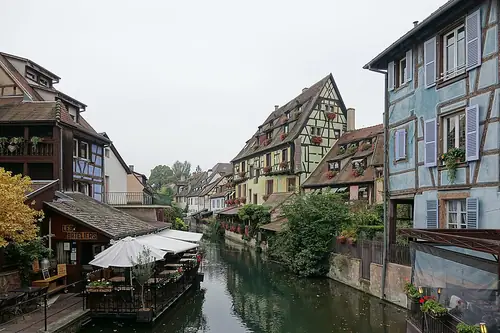
Outside the Christmas-New Year rush, winter is the cheapest time to see France’s cities. Paris sits around 4 to 9 C, often gray but atmospheric, with quiet museums and lower hotel rates; the French Alps deliver world-class skiing from December to April; and Provence and the Riviera stay mild and calm. This is when your city-break budget stretches furthest.
Month-by-Month Guide to Visiting France
Use this at-a-glance planner before the detailed notes below.
| Month | Weather | Crowds | Prices | Best for |
|---|---|---|---|---|
| January | Cold, gray north; mild south | Low | Lowest of the year | City breaks, skiing, bargains |
| February | Cold, crisp; ski season | Low-mid (school holidays) | Low | Alps, quiet Paris, deals |
| March | Spring stirs | Low-mid | Low | Sightseeing, value before Easter |
| April | Mild, blossoming (Easter spikes) | Mid | Shoulder | Gardens, Paris in bloom |
| May | Warm, lovely (bank holidays) | Mid | Mid | All-rounder, countryside, value |
| June | Warm, long days, festive | Rising | Mid-high | Lavender starts, Fete de la Musique |
| July | Warm-hot, busy | High | Peak | Festivals, Tour de France, coast |
| August | Hot south, busiest | Highest | Peak | Riviera, lavender, fiestas |
| September | Warm, sea at its best | Easing | Great value | Best month overall, harvest |
| October | Mild, autumn color | Low-mid | Shoulder, cheap flights | Cities, scenic countryside, foliage |
| November | Cool, wetter | Low | Low | Paris, museums, budget trips |
| December | Cold, festive cities | Low then holiday spike | Low then peak | Christmas markets, early deals |
A few dates worth circling: the lavender starts coloring in Provence from late June, peaking around Valensole into mid-July; June 21 brings the Fete de la Musique, July 14 Bastille Day and the Tour de France; and December fills Strasbourg and Alsace with Christmas markets before the sharp holiday spike from around December 20. The Mediterranean is at its warmest in September (Nice still near 27 C), while Paris hovers near 7 to 8 C in the depths of winter and the Riviera stays milder at around 13 C.
Find Cheap Flights to France
Paris has two main airports: Charles de Gaulle (CDG), the long-haul hub, and Orly (ORY), handy for the south and budget carriers. Beyond Paris, Nice (NCE) serves the Riviera, Lyon (LYS) the southeast, and Marseille, Bordeaux and Toulouse are well connected. Budget carriers Ryanair, easyJet, Vueling and Transavia link France to most of Europe; from North America, Air France, United, Delta and others fly direct to Paris.
Use the live calendar below to spot the cheapest departure dates at a glance, then compare across months.
Tips for cheaper flights:
- Book 5 to 8 weeks ahead for European routes, 2 to 3 months ahead for July-August and holidays.
- Pick the right airport. Nice for the Riviera, Lyon for the southeast, Paris for the center, often cheaper than connecting.
- Fly midweek. Tuesday and Wednesday departures are routinely cheaper, often by 10 to 20 percent.
- Set price alerts. Paris fares swing fast on the competitive low-cost routes.
- Avoid peaks. August, Easter, the May bank holidays, and Christmas/New Year carry the steepest fares.
For more route ideas and fare hacks, browse our full flights hub.
Regional Differences: Paris vs the Riviera vs the Alps
France is large and its regions feel distinct, so the best time to visit shifts with your destination.
| Region | Best months | Notes |
|---|---|---|
| Paris & the north | Apr to Jun, Sep to Oct | Mild, changeable; winter is gray but cheap and atmospheric |
| French Riviera (Nice, Cannes) | May to Jun, Sep | Warm sea by September; July-August hot and packed |
| Provence | May to Jun, Sep | Lavender peaks late June to mid-July; spring and autumn calmer |
| French Alps | Dec to Apr (ski), Jul to Aug (hiking) | Winter sports world; summer brings cool mountain hiking |
| Loire & château country | May to Jun, Sep to Oct | Castles and countryside best in spring bloom and autumn harvest |
The headline: if you want Paris and the north, travel in spring or autumn for mild weather and softer prices. For the Riviera and Provence, May, June and September beat the August crush, and lavender peaks from late June into mid-July. The Alps flip the calendar: winter for skiing, summer for hiking.
Where to Stay in France
Where you sleep shapes both your budget and your experience. Here is how the main bases compare.
| Area | Vibe | Budget room | Best for |
|---|---|---|---|
| Paris (Marais/Latin Quarter) | Historic, walkable, central | 90 to 160 US dollars/night | First-timers, museums, cafe life |
| Paris (Montmartre) | Bohemian, hilltop, lively | 75 to 140 US dollars/night | Views, atmosphere, value-for-Paris |
| Nice (Old Town) | Coastal, sunny, foodie | 70 to 130 US dollars/night | Riviera base, beaches, markets |
| Lyon (Vieux Lyon) | Gastronomic, historic | 60 to 110 US dollars/night | Food, value, central France |
| Annecy / Alps | Alpine, lakeside, scenic | 80 to 150 US dollars/night | Skiing, hiking, mountain air |
Paris’s Marais and Latin Quarter keep you walking distance from the major museums and the best café terraces, while Montmartre trades a little distance for atmosphere and slightly softer rates. Nice’s Old Town is the sunniest base for the Riviera, and Lyon is France’s food capital at gentler prices than Paris. Compare current rates anytime on our hotels hub.
Daily Budget for France
| Category | Budget (US dollars) | Mid-Range (US dollars) | Comfort (US dollars) |
|---|---|---|---|
| Accommodation | 35 to 60 | 90 to 170 | 200 to 450 |
| Food (3 meals) | 18 to 30 | 40 to 75 | 90 to 180 |
| Transport | 5 to 12 | 15 to 30 | 35 to 70 |
| Activities | 8 to 18 | 22 to 50 | 55 to 110 |
| Daily Total | 60 to 110 | 150 to 280 | 380 to 800 |
A few notes that keep costs honest: the formule or menu du jour, a fixed lunch of two or three courses, runs 16 to 22 US dollars and is far better value than dinner. A boulangerie baguette sandwich or quiche makes a cheap, genuinely good lunch, and a carafe of tap water (une carafe d’eau) is free in any restaurant. City transport is efficient (a Paris metro ticket is around 2.15 euros, or buy a carnet/day pass), TGV trains between cities are cheaper booked weeks ahead, and many national museums are free on the first Sunday of the month.
Stay Connected and Safe: eSIM and VPN
Skip the airport SIM counter. A travel eSIM gives you fast data the moment you land at CDG, ORY or NCE, which matters when you are decoding the Paris metro, booking a regional train, or finding a hidden bistro in Lyon. France has fast, reliable 4G/5G nationwide, even on most TGV lines.
- Activate before you fly: data works on arrival
- Plans for 200+ countries from a few dollars
- Keep your number; no physical SIM swap
France offers plenty of open Wi-Fi in hotels, stations and cafes, and a VPN keeps your banking and logins private on those public networks while letting you reach your usual streaming and home services. Set it up before you fly.
- Up to 10 devices on one account
- Obfuscated servers for networks that block VPNs
- 30-day money-back guarantee
For the full rundown, see our guides to the best travel eSIM and VPN.
Tours & Activities: France
Skip the ticket queues and pre-book the best local tours, day trips and skip-the-line attractions.
Frequently Asked Questions
What is the best month to visit France?
May, June and September are the sweet spot: mild, sunny days, long daylight, lighter crowds than midsummer, and prices below the July-August peak. May and June bring blooming countryside; September offers warm Riviera seas and the grape harvest.
What is the cheapest time to visit France?
November to March is cheapest, with flights and hotels often 30 to 40 percent below summer. Paris stays lively for city breaks while the coast and countryside quieten. Avoid Christmas-New Year, Easter, and the early-May bank holidays, when prices spike.
When should I avoid Paris for crowds?
July and August bring the heaviest tourist crowds, even as many Parisians leave on holiday and some small shops close. Easter week and the long May bank-holiday weekends also pack the city. For thinner crowds, target late May, June, or September to October.
How much does a trip to France cost per day?
Budget travelers manage on 60 to 110 US dollars a day; mid-range travelers should plan for 150 to 280, more in central Paris. See the cost table above for the full breakdown.
Is France worth visiting in winter?
Yes. Paris is magical and uncrowded outside the holidays, with quiet museums and lower prices, the Alps deliver world-class skiing, and Provence and the Riviera stay mild and calm. Only the Christmas-New Year window pushes prices back up.
Do I need an eSIM or VPN in France?
An eSIM is the easiest way to get online the moment you land, with fast 4G/5G across Paris, the Riviera and the regions. A VPN keeps your banking and logins private on hotel and cafe Wi-Fi and unlocks your usual streaming from home.
Start Planning Your France Trip
The best time to visit France comes down to your priorities. Summer (July-August) means warm coast weather at peak prices and the biggest crowds; the shoulder months of May, June and September trade a little of that heat for long days, thinner crowds and bills 20 to 40 percent lower; and winter rewards city-break and ski hunters with mild or snowy days and the cheapest city prices of the year. Match the month to your wallet and France is far more affordable than its reputation suggests.
Compare prices now and lock in your dates: