Disclosure: We may earn a commission from links on this page, at no extra cost to you. How we earn
This article contains affiliate links. If you make a booking through these links, we may earn a commission at no extra cost to you. About & Affiliate Disclosure
Quick Answer
- Café culture runs slow, a kava is a reason to sit, not a to-go habit; don’t rush the ritual.
- Tipping is customary but not automatic: around 10-15% at nicer restaurants, 5-10% at konobas, round up for cafés and taxis.
- No swimwear or shirtless walking in town: Dubrovnik, Split and Hvar all have local ordinances against it away from the beach.
- Water shoes are essential: most beaches are pebble or rock, with sea urchins common in the shallows.
- Cover shoulders and knees in churches: modesty expectations rise the further you go from the waterfront.
- Beat the cruise crowds at the Walls: around 8 ships a day in peak season; go at 8am opening or early evening instead.
- No-alcohol angle: build days around café pace, Adriatic swims, the Walls and konoba food: not bar culture.
The Coffee That’s Not Meant to Be Rushed
Ordering a kava at a corner café near Dubrovnik’s Pile Gate the way you would back home, fast, to go, already checking your phone for the next thing on the list, runs straight into local custom. The waiter sets it down on the table anyway and gestures at the empty chair: there’s all afternoon for this. Sitting down and watching the Old Town wake up for twenty minutes turns out to be some of the best time spent on the whole trip.
None of the mistakes below will get you thrown out of a restaurant or draw real anger: Croatians are used to visitors and mostly relaxed about it. But get the pace, the cover-up and the timing right, and you stop feeling like you’re rushing through someone else’s country and start feeling like you actually belong in it for a few days.
Café Pace: Why Nobody Is Rushing Your Coffee
Croatian café culture is unhurried on purpose, and it’s one of the first things that trips up visitors used to a faster coffee habit elsewhere.
Tipping in Croatia: Customary, Not Automatic
Tipping culture here sits between “not required” and “genuinely appreciated,” and it varies a bit by venue.
| Situation | What locals actually do |
|---|---|
| Nicer sit-down restaurant | Around 10-15% for good service |
| Mid-range restaurant or konoba | Around 5-10% |
| Café or coffee stop | Round up, or leave small change |
| Taxis | Round up to the nearest euro |
| Hotel staff (bags, cleaning) | A euro or two is a kind gesture |
Check the bill before tipping, a service charge is sometimes already added at tourist-area restaurants, and tipping again on top of that isn’t expected. Since Croatia uses the euro (1 EUR is worth around $1.14 as of mid-2026), the math is simple: no currency conversion to do table-side.
Swimwear and Shirtless Walking: Keep It at the Beach
This is the etiquette rule that catches the most visitors off guard, because it’s genuinely enforced rather than just a suggestion.
- Dubrovnik, Split and Hvar all have local ordinances against walking around town in swimwear or going shirtless away from the beach itself. Pack a light cover-up, a t-shirt and shorts, or a sarong to change into for the walk back from the water.
- Old Town streets, churches and restaurants expect regular clothes, even in the height of summer heat, a wet swimsuit dripping through a stone alley isn’t just bad manners, it can draw an actual word from a shop owner or café staff.
- The fix is simple: keep a small dry bag with a change of clothes if you’re beach-hopping between Old Town sights, and treat the transition from sand to street the same way you would in any European city center.
Water Shoes: The One Packing Item Croatia Actually Needs
Croatia’s coastline is stunning and almost entirely the wrong texture for bare feet.
- Most Croatian beaches are pebble or rock, not sand: comfortable enough to walk on with shoes, genuinely painful without them.
- Sea urchins are common in shallow water close to shore, especially around rockier coves near Dubrovnik and Hvar, and stepping on one barefoot is a fast way to end a beach day early.
- Water shoes solve both problems at once and pack down small. Bring a pair rather than planning to buy them on arrival, since souvenir-shop options near the beach tend to run overpriced.
- Sandals with a real sole work in a pinch, but dedicated water shoes grip better on wet rock and are worth the extra bit of luggage space.
Church and Monastery Dress: Shoulders and Knees
Modesty expectations climb the moment you step off the waterfront and into a sacred space.
- Cover shoulders and knees when visiting churches, monasteries and other heritage religious sites, a light scarf or a longer layer over beach clothes covers most situations.
- This applies even on a hot day: Dubrovnik’s Franciscan Monastery and the cathedral get this rule enforced more consistently than a casual café would.
- The rule tightens the further inland or the more historic the site, a quick photo stop at a well-known church is where visitors most often get caught out in beachwear.
Dubrovnik’s Walls and the Cruise-Crowd Problem
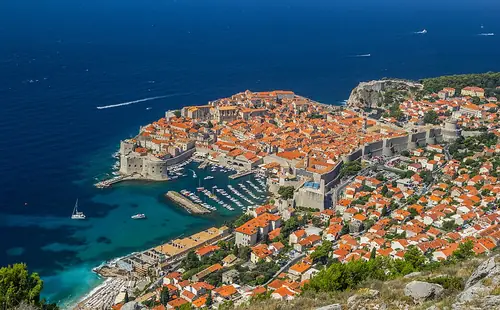
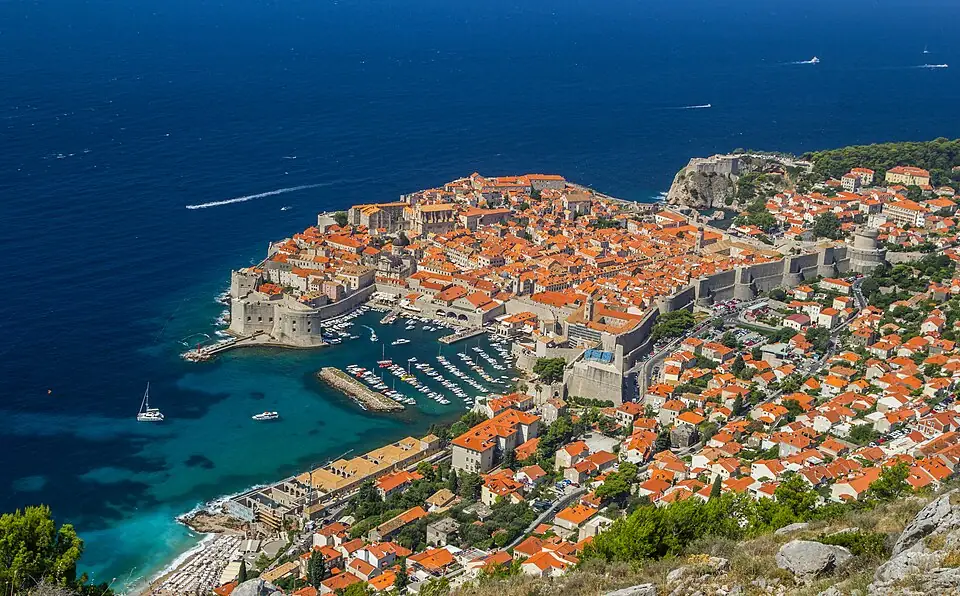
Dubrovnik is one of the most cruise-saturated Old Towns in Europe, and the Game of Thrones fame on top of it means the City Walls can turn into a slow shuffle if you time it wrong.
- Peak season sees around 8 cruise ships a day, each carrying roughly 2,000 passengers, on top of tens of thousands of extra Game of Thrones location-spotters drawn by the show’s filming history in the Old Town.
- The Walls are busiest from 10:00am through early afternoon in high season. Expect a sweaty, single-file crowd by midday.
- Go at opening (around 8:00am) or in the early evening instead: the light is better for photos either way, and the Old Town itself is emptiest before 8:00am and after roughly 7:00pm once day-trippers clear out.
- The standalone City Walls ticket runs around €35-40 (sources split on the exact 2026 figure, so budget toward the higher end); the 1-day Dubrovnik Pass runs around €40 and bundles the Walls with Fort Lovrijenac, around ten museums and unlimited Libertas city buses for 24 hours: worth it if you’re also doing the Rector’s Palace, the Maritime Museum or a couple of other sights the same day.
- Walls open 8:00am to 7:30pm in summer, shorter hours off-season: confirm the current timetable before you plan around it.
Mistakes Tourists Make Most
| Mistake | Do this instead |
|---|---|
| Rushing a café coffee | Sit, order one kava, and let the hour pass |
| Tipping American-style (18-20%) or not at all | Around 10-15% at nice restaurants, 5-10% at konobas |
| Walking Old Town streets in a wet swimsuit | Change or cover up before leaving the beach |
| Skipping water shoes | Pack them, most beaches are pebble/rock with urchins |
| Wearing shorts/tank tops into churches | Cover shoulders and knees before entering |
| Visiting the Walls at 11am in July | Go at 8am opening or early evening instead |
| Assuming ETIAS is required in 2026 | It isn’t yet, the 90/180-day visa-free rule still applies |
Getting Around Without the Mistakes
Good etiquette extends to logistics, too: arriving relaxed instead of rattled changes how the whole day goes. From Dubrovnik Airport (DBV), the official Platanus shuttle runs around €10 one-way and takes about 35 minutes to the Pile Gate area, timed to flight arrivals; a fixed-rate taxi runs roughly €30-45 depending on the operator. Between cities, remember that coastal Croatia has no useful rail line: the Dubrovnik-Split FlixBus runs around €21-23 in about 3h50, while the Jadrolinija or Krilo ferry covers the same route for around €50 in 4.5-6 hours; onward to the islands, Split-Hvar runs around €25 by fast catamaran. Our Croatia getting-around guide breaks down the full bus-versus-ferry math, including how the Pelješac Bridge (open since 2022) now bypasses the old Neum border crossing entirely.
Staying connected matters for reading transit timetables and translating a konoba menu on the fly without hunting for café wifi. See our Croatia guides for current eSIM options before you land, and compare Dubrovnik hotels while you’re at it, since Old Town rooms book up fast in shoulder season.
Frequently Asked Questions
What are the most common mistakes tourists make in Croatia?
The most common mistakes are rushing a café coffee instead of settling into the slow local pace, tipping like it’s the US (or not at all), walking around town in swimwear or shirtless away from the beach, skipping water shoes on Croatia’s pebble beaches, and hitting Dubrovnik’s City Walls at midday when cruise crowds peak. None will get you in real trouble, but avoiding them means a calmer, more comfortable trip.
Do you tip in Croatia?
Tipping isn’t obligatory in Croatia but is increasingly customary in tourist areas: around 10-15% at nicer sit-down restaurants, around 5-10% at mid-range places and konobas, and rounding up for cafés and taxis. Check the bill first, since a service charge is sometimes already added, and skip tipping twice if it is.
Can you walk around Dubrovnik in a swimsuit?
No. Dubrovnik, Split and Hvar all have local ordinances against walking around town in swimwear or shirtless away from the beach itself. Pack a cover-up or a change of clothes for the walk between the water and the Old Town, cafés or churches. It’s treated as a real courtesy, not just a suggestion.
Do I need water shoes for Croatia’s beaches?
Yes, they’re one of the top packing priorities. Most Croatian beaches are pebble or rock rather than sand, and sea urchins are common in shallow water close to shore. A pair of water shoes turns a painful entry into a normal one and is standard gear for locals and repeat visitors alike.
When is the best time to walk Dubrovnik’s City Walls to avoid crowds?
Go at opening, around 8:00am, or in the early evening. Dubrovnik can see around 8 cruise ships a day in peak season, each carrying roughly 2,000 passengers, and the Walls turn into a slow, single-file shuffle by mid-morning through early afternoon. The Old Town itself is emptiest before 8:00am and after roughly 7:00pm, once day-trippers clear out.
Do you need ETIAS to visit Croatia in 2026?
No. As of September 2026, ETIAS is not live and is not required to enter Croatia. No start date has been published: the EU dropped its 2026 target, and a 2027 launch is the realistic expectation. Croatia joined the Schengen Area (and the Eurozone) on 1 January 2023, so the standard 90/180-day visa-free rule applies for US, UK, Canadian, Australian and other eligible passport holders, with no ETIAS authorization needed yet.
Travel Croatia Like You’ve Done This Before
Get the pace right, a slow café instead of a rushed one, a fair tip instead of a guessed one, water shoes on the pebbles, and the Walls at 8am instead of noon, and the rest of the trip falls into place. Croatia doesn’t expect visitors to get everything right on day one; matching the rhythm is what turns a checklist stop into the kind of afternoon you didn’t want to end.
Find cheap flights to Croatia | Compare Dubrovnik hotels
Keep planning with our Croatia itinerary, Croatia budget guide and Croatia getting around guide, or see best time to visit Croatia. Heading to specific spots? Check our guides to Dubrovnik, Split, Hvar, Zadar and Plitvice Lakes. Grab a data eSIM before you land, compare hotels, check flights, or line up travel insurance before you go.