Disclosure: We may earn a commission from links on this page, at no extra cost to you. How we earn
This article contains affiliate links. If you make a booking through these links, we may earn a commission at no extra cost to you. About & Affiliate Disclosure
Quick Answer
- Best overall: September, then June, for warm seas plus shoulder-season prices.
- Cheapest flights and hotels: November to March (40-60% off summer peak), best for cities not islands.
- Avoid for crowds and price: mid-July to late August, when Dubrovnik and Hvar are at their busiest.
- Ferry season matters: the full island schedule runs late June to early September, then thins out fast.
- Book flights 6-9 weeks out for European routes, 3 months out for peak July-August.
The Best Time to Visit Croatia, in One Sentence
Forum threads often claim the season is “basically over” by September, with ferries stopping and the sea turning cold. In practice, the Adriatic is at its warmest of the year in early September, around 25 C, island ferries are still running their full summer schedule, and prices sit well below the August peak. The trap is narrow, just the back half of September, not the whole month, and the section below shows exactly where it starts.
Here’s the honest answer first, though, because you came for one: the best time to visit Croatia is June or September. Either gives you a warm, swimmable Adriatic, full ferry schedules to the islands, and prices 25-40% below the July-August crush. But “best” depends on what you’re chasing: Dalmatian beach heat, the Dubrovnik city walls without the cruise-ship scrum, or the cheapest possible island-hopping week.
Croatia is really two trips stacked together: a sun-baked coast and a string of islands that only fully come alive in high summer. Get the timing right and you save real money while skipping the worst of the high-summer Hvar crowds and the Dubrovnik wall queues. Get it wrong by a couple of weeks, though, and the islands go quiet on you: which is the line you have to walk, and the next section walks it.
What to pack for Croatia
Four picks from our gear guides that suit this trip. Each card opens the live Amazon price; the links below lead to the full comparisons.
25 x 18 x 4 cm, 254 g, 2.1 L. Locking zips, a cut-resistant double-cable strap, an RFID passport pocket and a strap that clips to a chair. Reader’s Digest’s best crossbody for travel.
Check price on Amazon Live price on AmazonThe best value compression set going. A double-zip pulls the air out so a week of clothes shrinks to a few inches thick, and you get eight pieces (cubes plus a shoe and laundry bag) for roughly the price of one branded cube. The fabric is thin and the zips aren’t lifetime kit, but for the money nothing beats it.
Check price on Amazon Live price on AmazonThe reliable all-rounder: one USB-C and four USB-A ports, plugs for 200+ countries, and a built-in fuse with a spare. The adapter most people should buy.
Check price on Amazon Live price on AmazonModel A1259, 10,000mAh, about 37Wh, 215 g. Two phone charges in a jacket pocket, and small enough that the two-bank limit never becomes a question.
Check price on Amazon Live price on AmazonBuild your Croatia itinerary
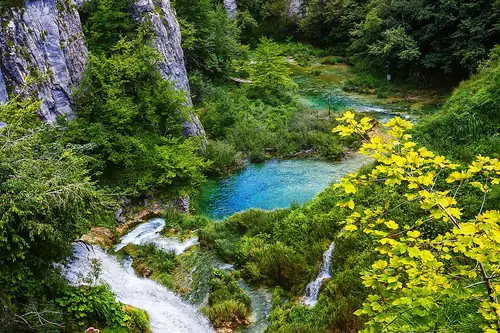
The mistake most first-timers make is trying to do the whole coast plus the islands in a week and ending up exhausted on a ferry deck. Don’t. Most Croatia trips run down the Dalmatian coast (Zadar, then Split, then Hvar, then Dubrovnik) with a detour inland to the waterfalls of Plitvice Lakes. The coastal towns link easily by bus and by Jadrolinija ferries and catamarans, and the islands are reached by boat from Split, so you rarely need a car. Pick your anchor by season, then add a neighbor that’s at its best the same week.
| City / Stop | Best months | How long to stay | Pairs well with |
|---|---|---|---|
| Dubrovnik | May–Jun, Sep | 2 days | The southern end of the coast; an easy finish after Hvar |
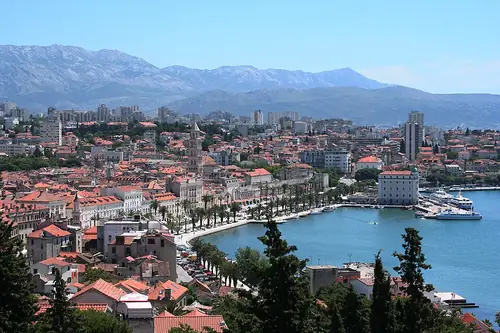
| Split | May–Sep | 2 days | The ferry hub, pairs with Hvar by catamaran |
| Hvar | May–Sep | 2 days | Reached by catamaran from Split |
| Plitvice Lakes | May–Jun, Sep | 1 day | An inland detour, easiest as a day-trip from Zadar |
| Zadar | May–Sep | 1–2 days | The northern gateway and the best base for Plitvice |
A few honest notes: Dubrovnik sits at the far southern end, so it works best as a grand finale rather than a starting point; Split is the engine room of any island trip, with catamarans fanning out to Hvar and beyond; Plitvice is inland and green rather than coastal, an easy day from Zadar; and Zadar makes a relaxed northern gateway with the lakes within reach.
Two routes that actually work:
- Coast, 10 days, north to south: Zadar 2 (with a Plitvice Lakes day-trip from here) → Split 2 → Hvar 2 → Dubrovnik 2. You drift steadily down the Adriatic, ending on the old-town walls of Dubrovnik.
- Split + islands, one week: Split 3 → Hvar 2 → a Plitvice Lakes day → Zadar 1. A gentler loop that keeps Split as your base before swinging inland and finishing north.
Two honest cautions: the ferries and catamarans book out in summer, so reserve the Split–Hvar and longer island legs in advance once you have dates; and July to August is hot and crowded, with Dubrovnik and Hvar at their fullest, so aim for May–June or September if you can. Use the city guides below to go deeper on whichever stops make your shortlist.
Top Cities to Explore
Croatia’s Seasons: Sun, Sea, and What Each One Costs You
Croatia has a Mediterranean coast and a cooler continental interior, but most visitors come for the Adriatic, so this guide leans coastal. The catch is that the islands and the high-summer ferry network are seasonal, and your euros stretch very differently depending on the month, as the table below shows.
Summer (June to September)
Hot, dry, and reliably sunny along the coast. Split and Dubrovnik hit 28-32 C (82-90 F), the islands bake the same, and the sea climbs from a fresh 21 C in June to a bathtub-warm 25-26 C by September. July and August are peak: blazing sun, every ferry running, and the highest prices of the year from Rovinj to Korcula.
This is the season for island hopping, sea kayaking under the Dubrovnik walls, and the buzzing summer scenes on Hvar and Pag. The trade-off is simple, you pay top rates, you queue for the city walls, and you share every cove.
Shoulder and Winter (October to May)
Spring (May-early June) and autumn (late September-October) are the sweet spots: warm days, cooler evenings, smaller crowds, and prices that ease off hard. Winter (November-March) is mild and wet on the coast, 10-14 C (50-57 F) in Dubrovnik and Split, colder and sometimes snowy inland around Zagreb and Plitvice.
The payoff is value. A Dubrovnik Old Town room that runs 200 euros in August can drop to 70-90 euros in November. Coastal cities stay open year-round, but many island restaurants, dive shops, and smaller ferries shut down, so winter is for cities and walls, not beaches and boats. So the real question is when the islands actually wind down. The month-by-month breakdown pins it.
Month-by-Month Guide to Visiting Croatia
Use this table as your at-a-glance planner for weather, crowds and prices.
| Month | Weather | Crowds | Prices | Best for |
|---|---|---|---|---|
| January | Mild coast, cold inland | Low | Lowest of the year | Zagreb, city breaks, value |
| February | Cool, wet, quiet | Low | Very low | Carnival in Rijeka, deals |
| March | Spring begins | Low | Low | Cities, Plitvice without crowds |
| April | Mild, fresh, green | Low-moderate (Easter spike) | Shoulder | Coast walks, sightseeing, gardens |
| May | Warm, long days | Moderate | Mid | All-rounder, sea warming, hiking |
| June | Hot, dry, sea warm | Growing | Mid-high | Island hopping starts, beaches |
| July | Peak heat | High | Peak | Guaranteed beach and ferry weather |
| August | Hottest, busiest | Highest | Peak | Beaches, festivals, live music |
| September | Warm, sea at its best | Thinning | Great value | The single best month overall |
| October | Mild, autumn light | Low-moderate | Shoulder, cheap flights | Truffle season, cities, last warm swims |
| November | Cooler, wetter | Low | Low | Dubrovnik, Split, budget trips |
| December | Mild coast, festive cities | Low then holiday spike | Low then peak | Zagreb Advent, deals early |
Two nuances the table can’t capture: in April the coast greens up but the sea is still a cold 15 C, so it’s a hiking-and-culture month rather than a swimming one. And in September, go in the first half: the Adriatic is at its year-round warmest (around 25-26 C) but after the first week the island ferry timetables start to thin.
The month tells you when. Where you fly into decides how much of that month you actually spend on the coast instead of in transit, and that’s the next thing to get right.
Find Cheap Flights to Croatia
Split (SPU) is the main Dalmatian gateway, with Dubrovnik (DBV), Zagreb (ZAG), Zadar (ZAD), and Pula (PUY) close behind. Budget carriers Ryanair, easyJet, Wizz Air, and Croatia Airlines connect the coast to most of Europe in summer; many seasonal routes vanish in winter, when Zagreb becomes the reliable year-round hub.
Use the live calendar below to spot the cheapest departure dates at a glance, then compare across months.
Tips for cheaper flights:
- Book 6-9 weeks ahead for European routes, 3 months ahead for July-August.
- Fly into the right airport. Split for central Dalmatia and the islands, Dubrovnik for the south, Zadar or Pula for the north, often cheaper than backtracking.
- Fly midweek. Tuesday and Wednesday departures are consistently cheaper, often by 10-20%.
- Set fare alerts. Seasonal coast routes swing fast on competitive low-cost carriers.
- Skip peak windows. Mid-July to late August and the Christmas-New Year block carry the highest fares.
For more route ideas and fare hacks, browse our full flights hub.
The Coast, Dubrovnik, and the Islands: Three Very Different Trips
Croatia is compact but its regions feel distinct, and the best time to visit each one shifts.
The Dalmatian coast (Split, Zadar, Sibenik) is the all-rounder, with a long warm season from May to October, easy bus and ferry links, and a good mix of cities, beaches, and national parks. Late spring and September dodge both the worst heat and the peak prices.
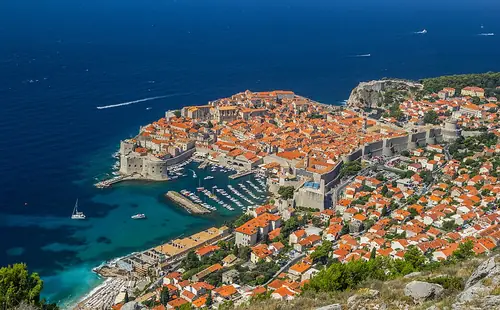
Dubrovnik is the showstopper and the crowd magnet. The walled Old Town is stunning but punishing in July and August, when cruise ships and tour groups flood the limestone lanes. May, June, late September, and October give you the same walls with breathing room, and winter brings empty ramparts at half the room price. Walking the walls at opening, before the first cruise tenders dock, is the one trick that works in September but not in August: visitors get whole stretches of rampart with no queue.
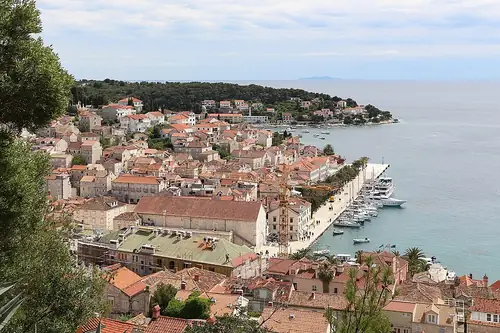
The islands (Hvar, Korcula, Vis, Brac, Mljet) only fully wake up in high summer. Ferries run their fullest from late June to early September, restaurants and dive shops open, and the summer buzz on Hvar and Pag peaks. Outside that window, smaller islands go quiet and connections thin, so island hopping is really a June-to-September pursuit. Early September still runs the summer catamaran schedule, but by the back half of the month the Split-to-Hvar crossing can drop to a single afternoon boat. The real cutoff sits about two weeks into the month, not at its start.
So the season decides your trip, and now the bill: here’s where the months actually meet your wallet.
When Prices Are Lowest: Best Time for Budget Travelers
Target these windows for the cheapest trips:
November to March is the absolute cheapest stretch. A Dubrovnik Old Town room that runs 200 euros in August can drop to 70-90 euros in November, though you trade beaches and ferries for cities and walls.
Late September to October delivers the best balance: warm sea, the autumn harvest and truffle season, and shoulder prices with notably cheaper flights, ferries still running early in the season.
May and early June are the budget traveler’s sweet spot when you still want warm-ish swims, similar conditions to July-August at 25-40% lower prices.
Steer clear of mid-July to late August and the Christmas-New Year block, when both fares and coastal hotels spike hardest. Early September lands squarely in that sweet spot for value. The savings have to sleep somewhere, though, and where you base yourself changes the trip as much as the price tag.
Where to Stay in Croatia
Where you base yourself shapes the whole trip. Here is how the headline areas compare.
| Area | Vibe | Budget room | Best for |
|---|---|---|---|
| Split (Diocletian’s Palace) | Historic, lively, great ferry hub | 70-110 euros/night | First-timers, island launchpad |
| Dubrovnik (Old Town) | Walled, dramatic, pricey | 100-180 euros/night | Walls, history, splurge stays |
| Hvar Town | Glamorous, lively, beaches | 90-150 euros/night | Sunsets, sailing, people-watching |
| Zagreb (Upper Town) | Cultural, year-round, affordable | 55-90 euros/night | City breaks, winter, value |
Split’s Diocletian’s Palace puts you inside a living Roman monument and steps from the ferry port, the natural launchpad for the islands. Dubrovnik’s Old Town is unforgettable but the priciest base in the country. Hvar Town is the glamorous, lively pick, while Zagreb is the affordable, all-season city escape. Compare current rates anytime on our hotels hub.
Daily Budget for Croatia
| Category | Budget (euros) | Mid-Range (euros) | Comfort (euros) |
|---|---|---|---|
| Accommodation | 30-55 | 70-130 | 160-320 |
| Food (3 meals) | 14-24 | 28-50 | 60-110 |
| Transport (incl. ferries) | 5-12 | 14-28 | 30-60 |
| Activities | 6-15 | 18-40 | 45-90 |
| Daily Total | 55-106 | 130-248 | 295-580 |
A few notes that keep costs honest: a konoba (tavern) daily special runs 10-15 euros and is the cheap, tasty way to eat, while waterfront tourist restaurants charge double. A konoba two streets back from the Hvar harbour typically serves grilled fish and a plate of black risotto for less than a single waterfront main course on the front. Local buses are excellent value (Split to Dubrovnik is around 20-25 euros), and a foot-passenger ferry from Split to Hvar runs roughly 6-9 euros. Plitvice and Krka national park tickets are the big-ticket items at 25-40 euros in summer, far cheaper off-season. Sobe (private rooms) and apartments beat hotels on price almost everywhere.
Stay Connected: eSIM for Croatia
Skip the airport SIM queue. A travel eSIM gives you fast data the moment you land, which matters when you are checking the next Jadrolinija ferry, booking a Bolt across Split, or finding a hidden cove on Vis. Croatia has strong 4G/5G along the whole coast and on the main islands.
- Activate before you fly: data works on arrival
- Plans for 200+ countries from a few dollars
- Keep your number; no physical SIM swap
Set it up before you fly and you are online before you reach baggage claim. For the full rundown, see our guide to the best travel eSIM, and for more destination planning, browse the destinations hub.
Tours & Activities: Croatia
Skip the ticket queues and pre-book the best local tours, day trips and skip-the-line attractions.
Frequently Asked Questions
What is the best month to visit Croatia?
September is the standout: the Adriatic is at its warmest, ferries still run full schedules early in the month, and prices drop well below the July-August peak. June is a close second with long days and warm seas before the crowds arrive.
When is the cheapest time to visit Croatia?
November to March is cheapest, with flights and coastal hotels often 40-60% below summer. Many island businesses and ferries scale back, so winter suits Zagreb, Split, and Dubrovnik city breaks more than island hopping. May and October offer the best balance of low prices and good weather.
When does the Croatia ferry season run?
The full ferry and catamaran schedule runs roughly late June to early September, with the most island connections and the latest sailings. Shoulder months like May, early June, and October have reduced timetables, and winter service to smaller islands can drop to one boat a day or less.
How much does a trip to Croatia cost per day?
Budget travelers manage on 55-106 euros a day; mid-range travelers should plan for 130-248 euros, with the Dubrovnik and island peak running higher in July and August. See the cost table above for the full breakdown.
Is Dubrovnik too crowded in summer?
July and August are intense. Cruise ships and Game of Thrones fans pack the Old Town walls, and midday queues and heat are real. Visit in May, June, late September, or October for thinner crowds, or walk the walls at opening or sunset in peak season.
Do I need a SIM card or eSIM in Croatia?
An eSIM is the easiest route. Croatia has fast 4G/5G along the coast and on the main islands, and an eSIM gets you online the moment you land in Split or Dubrovnik, with no SIM queue.
Is the shoulder season a good time to visit Croatia?
Yes, the shoulder months of May, early June, late September, and October are arguably the best time to go. You get warm days, thinner crowds, and prices 25-40% below the July-August peak. The sea is swimmable from late May onward and warmest in early September.
When is the sea warm enough to swim in Croatia?
The Adriatic is comfortably swimmable from June to October. It climbs from a fresh 21 C in June to a bathtub-warm 25-26 C by early September, its year-round peak, then eases to around 20 C in October. May is warming (17-18 C) but still brisk.
Start Planning Your Croatia Trip
The best time to visit Croatia comes down to your priorities. High summer (mid-July to August) means guaranteed beach heat and every ferry running, at peak prices and peak crowds; the shoulder months of June and September trade a touch of that intensity for warm seas, breathing room, and bills 25-40% lower. Winter rewards city-break hunters with mild coastal days, Zagreb’s Advent, and the year’s cheapest rates. Early September delivers the warmest sea of the year, a full ferry schedule, and Dubrovnik’s walls nearly empty at opening time: proof that the “season’s over” trap is two weeks wide, not a whole season.
Compare prices now and lock in your dates: