Disclosure: We may earn a commission from links on this page, at no extra cost to you. How we earn
This article contains affiliate links. If you make a booking through these links, we may earn a commission at no extra cost to you. About & Affiliate Disclosure
Quick Answer
- 7 days: Bangkok + Chiang Mai; skip the coast and enjoy both cities properly.
- 10 days: add Phuket or Koh Samui, selected for your dates and live forecast.
- 14 days: add Khao Sok to the Andaman version, but keep one coastal base.
- Do not connect airports casually: Bangkok’s BKK and DMK are separate airports across the city.
- Current checks matter: confirm State Railway, airline, ferry, park and marine forecasts before paying for a tight connection.
Thailand Itinerary: 7, 10 and 14 Days Without the Rush
The easiest way to spoil a Thailand itinerary is to make the map look impressive. Bangkok, Chiang Mai, Phuket, Krabi and Koh Samui fit neatly into one screenshot; on the ground, every airport change, ferry check-in and hotel move takes a bite out of the day.
This Thailand itinerary for 7, 10 or 14 days uses a simple rule: earn each extra stop with extra time. The seven-day route stays on the Bangkok–Chiang Mai spine. Ten days buys one southern base. Fourteen days makes room for a second, genuinely different nature component. If you want a weather overview before choosing dates, start with the Thailand planning guide.
Choose the Route Before Booking Domestic Tickets
This table is the route plan; the sections below explain the decisions and logistics rather than repeating every cell.
| Trip length | Route allocation | Major transfers | Best fit | Deliberately omitted |
|---|---|---|---|---|
| 7 days | Bangkok 3 → Chiang Mai 3, plus travel/departure | 1 | Culture, food, temples, first trip | Islands and cross-country detours |
| 10 days | Bangkok 3 → Chiang Mai 3 → Phuket or Koh Samui 3–4 | 2 | Classic city, north and beach mix | A second island or national-park hotel move |
| 14 days | Bangkok 3 → Chiang Mai 4 → Khao Sok 2 → Phuket 4, plus departure | 3 | Culture, northern depth, rainforest and coast | Krabi, Phi Phi and Gulf-coast hopping |
These counts include arrival and transfer reality. An open-jaw international ticket (arriving in Bangkok and leaving from Phuket or Chiang Mai) can remove a backtrack. If your return flight leaves Bangkok, put the final night there unless both sectors are protected on one ticket.
7-Day Thailand Itinerary: Bangkok and Chiang Mai
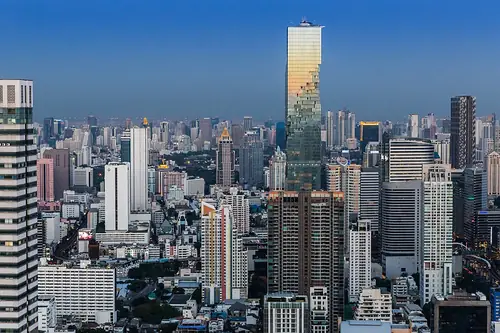
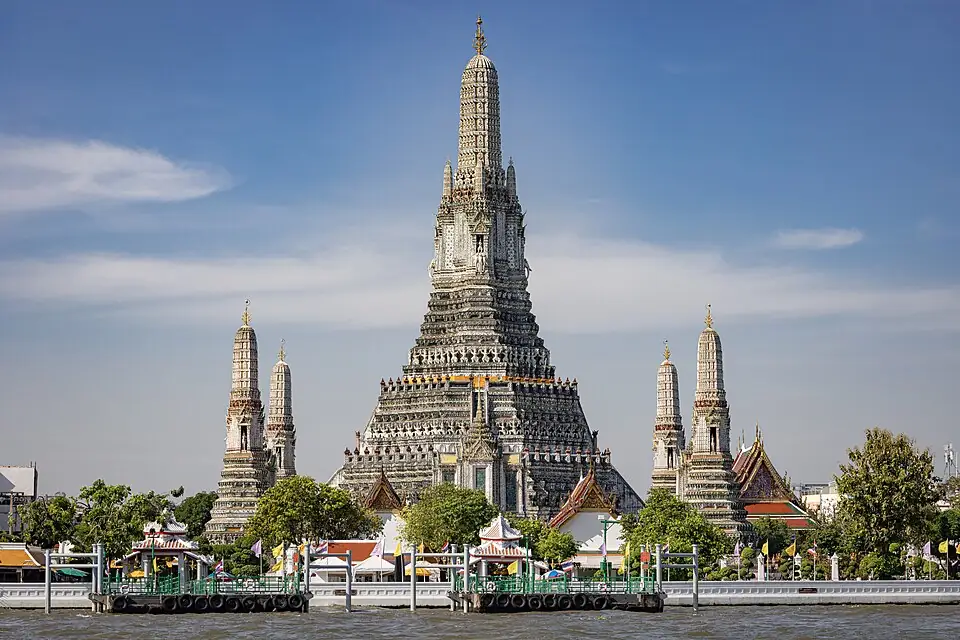
Give days 1–3 to Bangkok. Keep arrival day light: settle near rail or the river, eat locally and sleep. Use the next day for the Grand Palace and Wat Pho area, then cross or travel along the Chao Phraya rather than fighting road traffic. Make day three the modern contrast (Siam, a museum, a park or Chatuchak if your dates match) using the Bangkok guide and Bangkok neighbourhood comparison to group stops.
Move north on day 4. A flight preserves the most sightseeing time, but check both Bangkok airport codes before booking. The slower alternative is an overnight State Railway of Thailand service from Krung Thep Aphiwat Central Terminal to Chiang Mai. Sleeper inventory and train composition can change, so search the official SRT D-Ticket system for your date instead of relying on a copied timetable.
Use days 5–7 for Chiang Mai: one day around the old city, one for Doi Suthep and nearby cultural or craft stops, and one flexible day for a cooking class, markets or a responsibly run nature outing. This version assumes you depart from Chiang Mai after day 7. If your international return requires BKK or DMK, fly back on day 7 and use it as the Bangkok buffer; that leaves two full Chiang Mai days and no room for a coast. The Chiang Mai guide helps separate city sights from full-day excursions.
10-Day Thailand Itinerary: Add One Southern Base
The ten-day route keeps the same three-day Bangkok opening, then gives Chiang Mai three days. On day 7, fly south and stay put. Days 8 and 9 are the two full southern days: use one for the beach and the other for an optional boat or inland outing. Day 10 is for departure. Adding a second island mostly creates luggage time.
Choose Phuket when the Andaman forecast works. Old Town, beaches and Phang Nga–side excursions fill the block without another hotel move. Read the Phuket guide before choosing a beach; Phuket is a large island, not one walkable resort.
Choose Koh Samui when the Gulf is the better seasonal fit. A direct flight into USM is the simplest option; a mainland flight plus bus and ferry can cost less but consumes more of a short itinerary. The Koh Samui guide explains the trade-off and the island’s distinct beach areas. Check the operator’s live departure status before committing separate flight and ferry tickets.
14-Day Thailand Itinerary: Add Rainforest, Not More Airports
Fourteen days creates room for contrast. Spend three days in Bangkok and four in Chiang Mai, using the extra northern day for Doi Inthanon, Mae Kampong or another properly researched day trip. Then fly to Phuket and transfer by road for two nights near Khao Sok, followed by four nights at one Phuket base. Khao Sok provides rainforest, limestone scenery and guided nature activities; Phuket supplies the slower finish.
Do not force this block through unsafe weather. If official forecasts make the Andaman plan poor, replace the entire Khao Sok–Phuket block with a longer Koh Samui stay and consider Ang Thong Marine Park only when the park and boat operator are running. Crossing coasts simply to chase a forecast wastes time.
Keep day 14 for departure or a protected buffer. A domestic flight bought separately from a long-haul ticket is not a guaranteed connection, even when both appear in the same search result.
Weather Decides the Coast, Not the Route Graphic
Thailand’s monsoon is regional. The Thai Meteorological Department issues separate coastal forecasts and marine warnings. In May 2026, an official warning put upper-Andaman waves at 2–3 metres and higher in thunderstorms: why promises that rainy-season showers are always brief are unsafe.
- November to April: the Andaman often fits Phuket and Khao Sok well, but holiday weeks raise demand.
- Mid-year: compare the live Gulf and Andaman forecasts; Koh Samui may be the more practical beach block, but it is never a weather guarantee.
- Any month: obey red flags, marine warnings and park closures. Build one indoor or land-based fallback day into the coast.
July 2026 Thailand Itinerary Budget
July 2026 marketplace spot checks found entry-level rooms in the high hundreds to low-thousands of baht, with island and central properties rising quickly. These bands are per person per day; rooms assume two sharing.
| Cost per person/day | Careful budget | Mid-range | Comfortable |
|---|---|---|---|
| Accommodation share | 500–1,200 THB | 1,200–2,750 THB | 3,000–6,000 THB |
| Food and water | 350–700 THB | 700–1,400 THB | 1,500–3,000 THB |
| Local transport | 150–400 THB | 400–1,000 THB | 1,000–2,500 THB |
| Sights and day activities | 250–800 THB | 800–2,000 THB | 2,000–5,000 THB |
| Planning total | 1,250–3,100 THB | 3,100–7,150 THB | 7,500–16,500 THB |
These are planning bands, not quotes. They exclude international flights and major intercity legs; dates, baggage, occupancy, taxes, cancellation terms, private tours and island transfers change the total. Recheck live hotel and transport prices for the exact route, especially around Thai public holidays and year-end travel.
Logistics That Prevent Expensive Mistakes
Domestic schedules and operating airports can change. Search live options for the full day, confirm whether the flight uses BKK or DMK, and price baggage before comparing it with the sleeper.
Frequently Asked Questions
How many days do you need for a first trip to Thailand?
Ten days is the best first-trip balance: three days in Bangkok, three in Chiang Mai and four around one southern base, including transfer time. Seven days works well for Bangkok and Chiang Mai without a beach. Fourteen days adds a nature stop such as Khao Sok and gives the coast enough time to absorb a wet-weather day.
What is the best 7-day Thailand itinerary?
Use seven days for Bangkok and Chiang Mai: three days in Bangkok, travel north on day four, then three days in Chiang Mai. Fly if every hour matters, or take an overnight State Railway of Thailand service from Krung Thep Aphiwat. Depart from Chiang Mai if possible; otherwise protect your international connection with a Bangkok buffer.
What is the best 10-day Thailand itinerary?
Spend three days in Bangkok, three in Chiang Mai and four at one southern base. Choose Phuket for the Andaman coast, especially in its drier season, or Koh Samui when the Gulf better suits your dates. Fly the long north-to-south leg and avoid adding another island, because repeated transfers would consume the extra time.
What is the best 14-day Thailand itinerary?
A balanced 14-day route gives Bangkok three days, Chiang Mai four, Khao Sok two and Phuket four, with one day used for a major transfer or departure. Use the Khao Sok and Phuket block when Andaman conditions are suitable. In rough southwest-monsoon weather, replace that block with a slower Koh Samui stay rather than crossing between coasts.
Should I choose Phuket or Koh Samui for this itinerary?
Choose by forecast and coast, not by a universal dry-season slogan. Phuket faces the Andaman Sea and can get rough southwest-monsoon conditions; Koh Samui follows a different Gulf pattern and often suits some mid-year trips better. Neither coast is guaranteed. Check the Thai Meteorological Department and boat operator shortly before travel, and obey beach warning flags.
How much should I budget per day in Thailand in 2026?
For July 2026 planning, allow roughly 1,250–3,100 THB per person per day on a careful budget, or 3,100–7,150 THB for a mid-range trip, excluding long-haul flights and major intercity legs. The room allowance assumes two people sharing. Islands, private transfers, diving and short-notice domestic flights can raise the total substantially.
Book the Spine, Then Leave Breathing Room
Book the international arrival, the north–south connection and the first hotel in each base. Leave ordinary day activities flexible until the forecast firms up. For route-specific flight context, see the London–Bangkok fare guide, then compare live options below.