Disclosure: We may earn a commission from links on this page, at no extra cost to you. How we earn
This article contains affiliate links. If you make a booking through these links, we may earn a commission at no extra cost to you. About & Affiliate Disclosure
Quick Answer
- Temples: cover shoulders and knees, shoes off before entering any building with a Buddha image.
- Head and feet: never touch someone’s head; don’t point feet at people, Buddha images, or use them to gesture.
- The wai: palms together near the chest, slight bow, a lovely greeting, but you don’t have to initiate it.
- Monarchy: lese-majeste (Article 112) is enforced law, up to 15 years per offense. Skip any comment on the King entirely.
- Festivals 2026: Songkran (water festival) April 13–15; Loi Krathong (lights) November 25.
- Shoes off at homes, many shops, and guesthouses. Look for a pile of shoes by the door.
The Dress-Code Mistake Visitors Make at the Grand Palace Gate
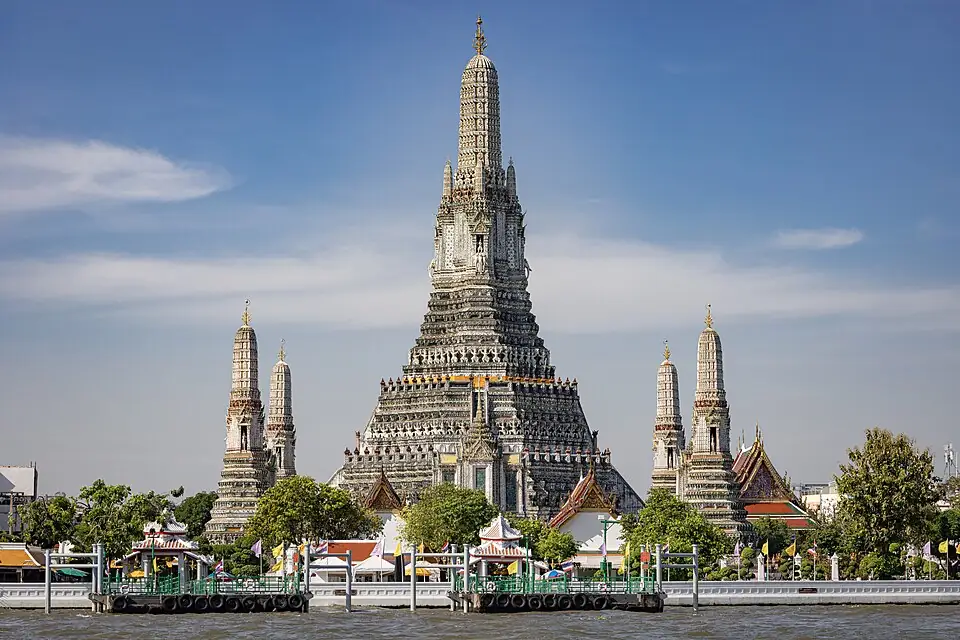
Shorts that sit even an inch above the knee get turned back at the entrance to Wat Phra Kaew (the temple inside Bangkok’s Grand Palace complex). The usual response isn’t a scolding: staff quietly redirect visitors to a rental-sarong stand by the ticket booth, hand over a wrap-around cloth, and wave them back through within a minute. That’s the pattern with Thai etiquette: the rules are firm, but the correction is gentle. Visitors are rarely told off, just gently steered toward doing it right.
None of what follows is about walking on eggshells. It’s a short list of things that matter more than they look like they should, plus one that genuinely isn’t a suggestion.
The Etiquette That Actually Matters
Temple dress code: shoulders, knees, shoes
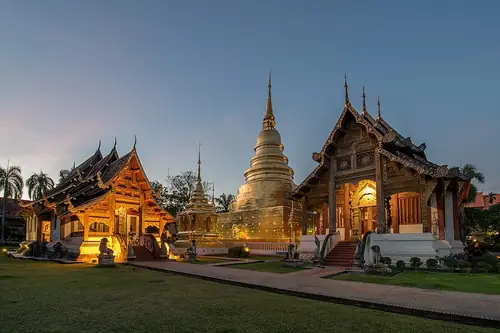
Cover your shoulders and knees before you go anywhere near a Buddhist temple (wat): no tank tops, no shorts above the knee, for men or women. Remove your shoes before stepping into any building that houses a Buddha image; sandals make this painless, and you’ll see a small mountain of other visitors’ shoes by the door as your cue. Major sites like the Grand Palace (around 500 THB for foreign visitors, or around 700 THB combined with Wat Pho) enforce this at the gate and rent sarongs to underdressed visitors, but it’s a smoother morning if you just dress for it, especially on a hot day when the temptation to go sleeveless is real.
Head and feet: the two body parts with rules
In Thai belief the head is the most sacred part of the body and the feet are the lowest and least respectful, so don’t touch anyone’s head, even a child’s in a friendly way, and don’t point your feet at a person, a monk, or a Buddha image. Sit with your feet flat on the floor or tucked back rather than stretched out toward someone, and never step over a person or their things (a plate of food, a sleeping mat), walk around instead.
The wai: a greeting, not an obligation
The wai (palms pressed together near the chest or nose, with a slight bow) is how Thais greet, thank, and apologize. It’s genuinely lovely to receive, but the convention is that the younger or lower-status person initiates it toward an elder, so you don’t need to wai every shopkeeper and tuk-tuk driver you meet. Returning a wai you’re given is polite and appreciated; a smile and a slight nod covers you the rest of the time.
The One Rule That Isn’t a Suggestion: The Monarchy
This is the etiquette point that actually matters legally, not just socially. Thailand’s lese-majeste law (Criminal Code Article 112) makes it a criminal offense to insult the King, Queen, heir, or regent, and it’s strictly enforced, with sentences of up to 15 years per offense. It covers spoken comments, written posts, and social-media shares alike. The safest approach as a visitor is simple: don’t discuss the monarchy at all, positive or negative, in conversation or online, and don’t get drawn into a debate about it by anyone else. This isn’t a cultural nicety you can shrug off if you disagree with it. Treat it as real law, because it is.
Mistakes Tourists Make Most
| Mistake | Do this instead |
|---|---|
| Bare shoulders/knees at a temple | Cover up before you arrive; carry a light scarf as backup |
| Keeping shoes on indoors | Shoes off at homes, guesthouses, and any Buddha-image building |
| Touching someone’s head | Keep hands off, even playfully with kids |
| Pointing feet at people or Buddha images | Keep feet flat or tucked under you when seated |
| Commenting on the King or monarchy | Avoid the topic entirely, online and in person |
| Expecting to initiate every wai | Return a wai you receive; a smile covers the rest |
| Ignoring festival timing | Check Songkran (Apr 13–15) and Loi Krathong (Nov 25) against your dates |
Songkran, Loi Krathong, and Planning Around Them
Two festivals shape a Thailand trip more than anything else on the calendar. Songkran, the Thai New Year water festival, runs April 13–15, 2026: city streets, especially in Chiang Mai and Bangkok, turn into good-natured, nationwide water fights, and it’s one of the most memorable times to be in the country if you don’t mind getting soaked and don’t have a flight to catch mid-splash. Loi Krathong, the festival of lights, falls on November 25, 2026: small floating krathong (leaf and flower vessels with a candle) are set adrift on rivers and canals after dark, and it’s genuinely beautiful in river cities like Chiang Mai and Bangkok. As a lunar-calendar date, Loi Krathong can shift by a day or two: confirm closer to your travel dates. Neither festival involves anything you need alcohol to enjoy: Songkran’s water fights and Loi Krathong’s candlelit rivers are the draw on their own.
Beyond the Big Rules: Small Things That Add Up
Etiquette sorted, the practical layer underneath it is worth locking down before you go, a working eSIM from the moment you land and a place to sleep that matches your route.
- Activate before you fly: data works on arrival
- Plans for 200+ countries from a few dollars
- Keep your number; no physical SIM swap
Frequently Asked Questions
What are the most common etiquette mistakes tourists make in Thailand?
The most common mistakes are showing bare shoulders or knees at temples, keeping shoes on indoors, touching someone’s head, pointing feet at people or Buddha images, and casually commenting on the King or royal family. None require panic if you slip up, but avoiding them shows respect and keeps you out of genuinely serious trouble with the monarchy rule.
What should you wear to a temple in Thailand?
Cover your shoulders and knees: no tank tops, sleeveless tops, or shorts above the knee for either gender. Remove your shoes before entering any building that houses a Buddha image. Many major temples, including Bangkok’s Grand Palace, turn visitors away or lend cover-up sarongs at the gate if you arrive underdressed, so it’s easier to just dress modestly from the start.
Is it illegal to criticize the King of Thailand?
Yes. Lese-majeste under Criminal Code Article 112 is strictly enforced law, not a social nicety, with sentences of up to 15 years per offense. It covers insulting the King, Queen, heir, or regent, including online posts and shares. The safest approach for visitors is to avoid any comment on the monarchy entirely, positive or negative.
Why shouldn’t you touch someone’s head or point your feet at people in Thailand?
In Thai belief the head is the body’s most sacred point and the feet are the lowest and least respectful, so touching anyone’s head (even a child’s, playfully) or pointing your feet at a person, a Buddha image, or a monk is considered rude. Keep your feet flat on the floor or tucked under you when seated, and never step over someone or their belongings.
What is a wai and when should I use it?
A wai is a greeting made by pressing your palms together near your chest or nose with a slight bow of the head, used to greet, thank, or apologize. Thais generally initiate it based on age and status (the younger person wais first), so as a visitor it’s fine to return a wai you receive, but you don’t need to initiate one with everyone you meet.
When are Songkran and Loi Krathong in 2026?
Songkran, the Thai New Year water festival, runs April 13 to 15, 2026. Loi Krathong, the festival of lights where small floating krathong are set on rivers and canals, falls on November 25, 2026, though as a lunar-calendar date it can shift slightly, so confirm closer to the day.
Travel Thailand Like a Considerate Guest
Get the handful of essentials right (temple dress, shoes off, hands off heads, feet down, and the monarchy left entirely alone), and the rest of Thai etiquette you’ll pick up naturally by watching the people around you. None of it should make you anxious; it should just make you a better guest.
Find cheap flights to Thailand | Compare Bangkok hotels
Keep planning with our Thailand itinerary, where to stay in Bangkok guide, city hubs for Bangkok, Chiang Mai, Phuket and Koh Samui, or the best time to visit Thailand hub. Sort your connectivity with our Thailand eSIM guide, compare hotels and flights site-wide, and check travel insurance before you go.