Quick Answer
- Batu Caves: entry is free, with 272 steps up to the cave temple beside the 43-metre Lord Murugan statue; go early to beat the heat and crowds.
- Where to stay: Bukit Bintang for first-timers, KLCC for upscale and Petronas Towers views, Brickfields for the airport train, Chow Kit for the cheapest, most local base.
- Other airport options: KLIA Transit costs roughly RM8.50 to RM40 depending on the stop, while Grab runs roughly RM75 to RM150+ plus RM10 to RM20+ in tolls.
- Getting around: Touch ’n Go on the LRT/MRT/Monorail, or Grab for the gaps, skip My50 (locals only).
- Day tours: a Genting Highlands plus Batu Caves tour costs around $37, a KL highlights full-day tour around $44 and the Kuala Selangor fireflies evening tour around $49.
Kuala Lumpur’s Best Sight Costs Nothing
Visitors who stack up ticket prices for Kuala Lumpur the way they would for Singapore or Bangkok are in for a surprise at Batu Caves, the limestone hill with the 43-metre gold statue of Lord Murugan out front: there is no ticket booth. Just 272 rainbow-painted steps up to a cave temple, free, all day.
That’s the pattern that defines Kuala Lumpur. This Kuala Lumpur travel guide keeps coming back to it: the sights here are cheap or free, and the real line item is getting between them. Grab a driver, book a tour van, or ride the trains, but the entrance fees themselves barely register.
So the short version: three days is enough, Batu Caves costs nothing, hotels are the cheapest of any major Southeast Asian capital in our sample, and your money goes on transport and the occasional guided day trip, not on tickets. Here’s the full breakdown.
What to pack for Kuala Lumpur
Four picks from our gear guides that suit this trip. Each card opens the live Amazon price; the links below lead to the full comparisons.
A 100% memory-foam U-pillow with an adjustable rope lock at the front, a machine-washable cover, and a 3D eye mask, earplugs and drawstring bag in the box. About 11 x 9.2 x 4.6 in (28 x 23 x 12 cm) and 0.6 lb (270 g). The catch: the neck opening runs large on small frames.
Check price on Amazon Live price on Amazon61 x 122 cm, listed at 120 g in navy, snap loop and a ventilated carry bag. Rainleaf says it absorbs five times its own weight, and it comes in six sizes. The one most travelers should buy first.
Check price on Amazon Live price on AmazonThe reliable all-rounder: three USB-C and two USB-A ports, plugs for 200+ countries, and a built-in fuse with a spare. The adapter most people should buy.
Check price on Amazon Live price on AmazonModel A1259, 10,000mAh, about 37Wh, 215 g. Two phone charges in a jacket pocket, and small enough that the two-bank limit never becomes a question.
Check price on Amazon Live price on AmazonWhere to Stay in Kuala Lumpur
KL’s four core clusters each suit a different trip. Bukit Bintang is the shopping and eating hub with the most mid-range stock; KLCC (Downtown KL) sits by the Petronas Towers and carries the upscale band; Brickfields and KL Sentral form the transit hub and Little India, best if you’re arriving or leaving by train; Chow Kit is the cheapest and most local, further from a station.
| Neighborhood | Character | Around, per night (Sept, shoulder season) |
|---|---|---|
| Chow Kit | Cheapest, most local, market energy | $26 to $40 |
| Brickfields / KL Sentral | Transit hub, Little India | $26 to $40 |
| Bukit Bintang | Shopping, food, nightlife-free entertainment, tourist core | $51 to $65 |
| KLCC / Downtown KL | Petronas Towers views, upscale, quieter | around $94 |
The finding worth leading with: KL’s upscale band tops out around $95 a night, a 4-star room in the KLCC core for about what a mid-range room costs in Bangkok or Singapore’s budget tier. That makes Kuala Lumpur the cheapest major Southeast Asian capital for branded hotel stock in this comparison. September is shoulder season on the west coast, so these bands sit below the December-to-February peak. For the full area-by-area breakdown, see our dedicated Kuala Lumpur where to stay guide.
Getting There: KLIA to the City
Both of KL’s airports, KLIA and klia2, sit south of the city and connect the same way. The choice is speed versus price.
| Option | Around (one way) | Time | Notes |
|---|---|---|---|
| KLIA Ekspres | RM55 | Under 30 minutes | Nonstop to KL Sentral, the fastest option |
| KLIA Transit | Roughly RM8.50 to RM40 depending on stop | A bit longer | Makes stops (Bandar Tasik Selatan, Putrajaya, Salak Tinggi) |
| Airport coach bus (Skybus, Aerobus) | Roughly RM12 to RM18 | About an hour | Cheapest fixed option, subject to traffic |
| Grab | Roughly RM75 to RM150+ | Traffic-dependent | Higher during Friday evenings, holidays; tolls add RM10 to RM20+ |
Skip the unmetered “private taxi” touts who approach in the arrivals hall and quote a flat fare well above the meter. Use the official taxi coupon counter, ask for a standard (not “Executive”) taxi, or let the Grab app quote the fare upfront before you confirm.
Getting Around Kuala Lumpur
KL’s rail network (LRT, MRT, Monorail, BRT and buses, all run by Prasarana under the MyRapid brand) covers the tourist core well, and fares are distance-based, roughly RM1 to RM7 per ride.
What to Do and See in Kuala Lumpur
This is where the transport-cost-bound finding really shows up: the sights themselves are cheap or free, and a guided tour is often the cheapest way to string several together.
| Experience | Around (ticket/tour) | Notes |
|---|---|---|
| Batu Caves entry | Free | The temple, steps and statue cost nothing to visit |
| KL half-day city tour | ~$10 | Cheaper than a single attraction admission |
| Batu Caves private tour | ~$15 | Guided transport, the caves themselves stay free |
| Genting Highlands + Batu Caves day tour | ~$37 | Combines the hill resort with the caves |
| KL highlights full-day tour | ~$44 | Covers the city’s headline sights in one day |
| Kuala Selangor fireflies tour | ~$49 | Evening river tour to see synchronized fireflies |
| Aquaria KLCC admission with transfer | ~$55 | The city’s priciest single-ticket attraction in this set |
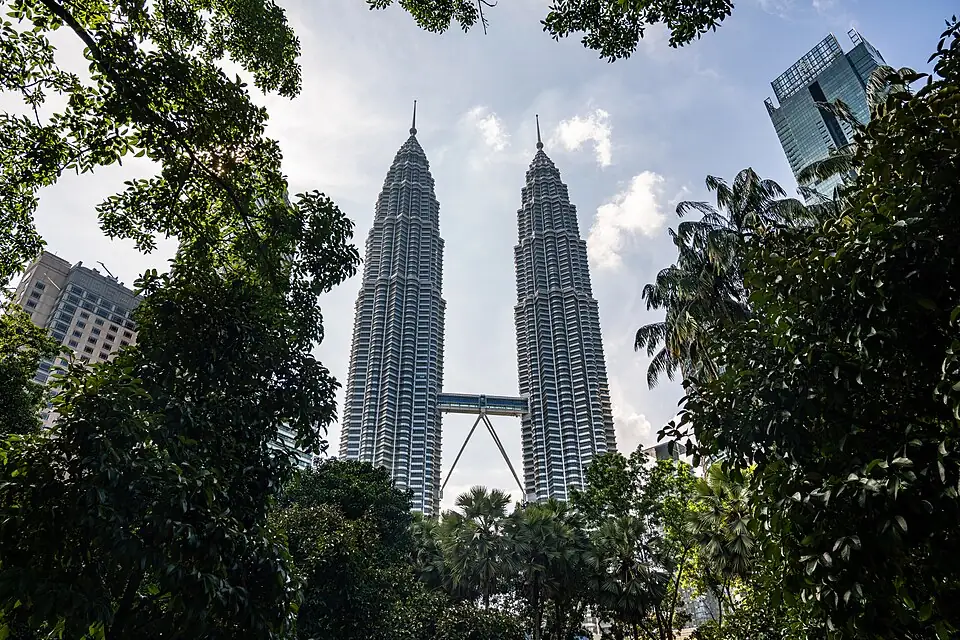
- Petronas Towers and KLCC Park. The 88-storey twin towers are KL’s icon; the park at their base is free to wander, and the Skybridge/observation deck ticket is the one attraction here worth pre-booking for a specific time slot.
- Batu Caves. Free entry, 272 steps, a cave temple and the giant Lord Murugan statue. Go early to beat both the heat and the crowds; wear something you can climb stairs in.
- Chinatown and Petaling Street. The older, cheaper, more local side of downtown KL, good for street food and a wander through Central Market.
- Genting Highlands. A hill resort above the humidity, reached on the combined tour above or independently by cable car; a change of pace from the city heat.
- Kuala Selangor fireflies. An evening river-boat trip about an hour outside KL to watch mangrove trees light up with synchronized fireflies, one of the more memorable half-day trips from the city.
Practical Tips: Money, eSIM, Visa
Money. Malaysia uses the ringgit (MYR), trading around RM4 to the US dollar as of August 2026; check a live converter for the exact day’s rate. There’s no strong tipping culture, many restaurants add a 10 percent service charge, in which case no extra tip is expected.
eSIM. Grab a data eSIM before you land rather than queuing at an airport kiosk. Malaysia’s 4G/5G is fast and widespread across the Klang Valley. See our eSIM guide for current plans, or set one up in advance.
- Activate before you fly: data works on arrival
- Plans for 200+ countries from a few dollars
- Keep your number; no physical SIM swap
Visa. Most US, UK, EU and Australian passport holders can enter Malaysia visa-free for tourism, typically up to 90 days, but every foreign national must complete the free Malaysia Digital Arrival Card (MDAC) online within 3 days before arrival. Third-party sites charging an MDAC “service fee” are not official, use the government portal only. Full rules, including exemptions, are in our Malaysia visa and MDAC guide.
Water. Tap water isn’t recommended for drinking; stick to bottled or filtered. Brushing your teeth with tap water is generally fine.
Etiquette. Remove shoes before entering mosques, temples and most private homes, and use your right hand for eating, giving and receiving items. Our Malaysia etiquette guide covers the mistakes tourists actually make.
Day Trips from Kuala Lumpur
- Batu Caves and Genting Highlands, combined on a single day tour for around $37, pairs the free cave temple with a cooler hill-resort afternoon.
- Kuala Selangor fireflies, an evening trip (~$49) about an hour from the city to watch mangrove-side fireflies flash in sync.
- Wet World water park in Shah Alam, admission around $8, an easy half-day if you’re traveling with kids.
- Genting Highlands alone, a full day (~$75) for the hill resort, cable car and cooler air above the KL humidity.
Building the Rest of Your Trip
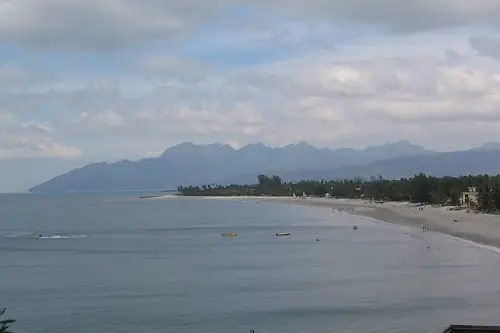
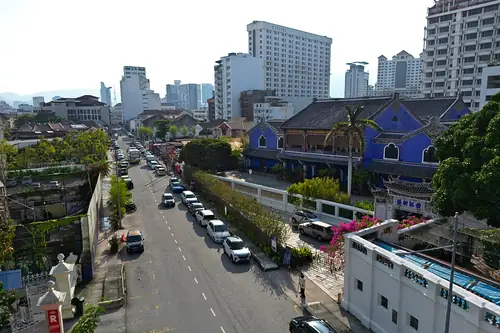
Kuala Lumpur is the natural hub for a wider Malaysia trip. Pair it with George Town, Penang’s UNESCO heritage core, or the beaches of Langkawi, and use our Malaysia itinerary guide to sequence the stops. Budgeting the whole trip? Our Malaysia daily budget guide breaks down costs beyond the capital, and our getting around Malaysia guide covers the trains, buses and ferries between cities.
Frequently Asked Questions
Is Batu Caves free to visit?
Yes, entry to Batu Caves is free. The only cost most visitors pay is optional guided transport from the city, which runs around $15 for a private tour, or you can reach it yourself by KTM Komuter train from KL Sentral for a few ringgit.
How many days do you need in Kuala Lumpur?
Three days covers the headline sights: a day around the Petronas Towers and KLCC Park, a day at Batu Caves and the older city (Chinatown, Central Market), and a day to explore Bukit Bintang or take a day trip. Add a day for Genting Highlands or the Kuala Selangor fireflies if either interests you.
What is the best area to stay in Kuala Lumpur?
Bukit Bintang suits first-timers who want shopping, food and nightlife within walking distance. KLCC puts you next to the Petronas Towers in a quieter, upscale setting. Brickfields (KL Sentral) is the transit hub, best if you are catching the KLIA Ekspres or moving on by rail. Chow Kit is the cheapest and most local, with a longer walk to a train station.
How do I get from KLIA airport into central Kuala Lumpur?
The KLIA Ekspres runs nonstop from KLIA or klia2 to KL Sentral in under 30 minutes for RM55 one way. KLIA Transit costs less but makes stops, airport coach buses run roughly RM12 to RM18 and take about an hour, and Grab typically costs RM75 to RM150 depending on time of day, tolls included.
Is Kuala Lumpur sightseeing expensive?
No. Kuala Lumpur is transport-cost-bound rather than ticket-cost-bound: Batu Caves, the city’s most-photographed sight, is free, a half-day city tour runs around $10, and even a full-day KL highlights tour is around $44. Hotels are also cheap by regional standards, with upscale 4-star rooms in the KLCC core topping out around $95 a night.
Do I need a visa for Kuala Lumpur?
Most visitors from the US, UK, EU and Australia can enter Malaysia visa-free for tourism, typically up to 90 days, but everyone must complete the free Malaysia Digital Arrival Card (MDAC) online within 3 days of arrival. Confirm the exact allowance for your passport on the official MDAC portal before you fly.