Quick Answer
- Nijo Castle concessions: Ninomaru Palace entry is around ¥400 for middle and high-school students and ¥300 for elementary pupils, and the Honmaru Palace add-on needs booking.
- Free evening walk: Gion’s Hanamikoji-dori, best in the early-evening light.
- Kinkaku-ji hours: it opens daily 9:00 to 17:00, takes cash only at the gate, and charges around ¥300 for elementary and junior-high students.
- One fee changed in 2026: Ginkaku-ji rose from around ¥500 to around ¥1,000 on April 1, 2026; Tenryu-ji’s garden fee stays around ¥500 (plus ¥300 for the halls), with no revision announced.
- Early starts: the Bamboo Grove is most atmospheric before 8am, and by 10am the torii tunnels at Fushimi Inari and the grove are crowded.
A Ticket Price That Doubled in 2026
Arrive at the Arashiyama Bamboo Grove after breakfast and you’ll find it already thick with selfie sticks: the grove rewards an early start far more than most visitors expect. Kyoto’s shrines and bamboo groves don’t change. Its entry fees, in 2026, very much do: one of the city’s headline sights quietly doubled its price this year, and an older blog post will budget you wrong if it never got the memo.
So this guide ranks Kyoto’s best things to do by cost, and flags which of two 2026 fee changes will bite you if you’re working from stale numbers. Seven sights, one summary table, and the exact fee each one charges right now.
Kyoto’s Best Things to Do, Ranked by Cost and What Changed in 2026
Kyoto’s temples and shrines aren’t going anywhere: some of these fees are. None of the sights below sell advance online tickets; every one is a cash purchase at the gate (or free), which means timing your visit matters far more than booking it. Here’s how the essential seven stack up, cheapest to priciest.
1. Fushimi Inari Taisha: free, open 24 hours
Kyoto’s most photographed sight costs nothing. The thousands of vermilion torii gates climbing the mountain are free to walk through and open around the clock, year-round: only the main shrine buildings close, around 17:00–18:00. There’s no ticket booth and nothing to book. The only real cost is timing: arrive at first light or after dinner and you’ll have long stretches of the gate tunnels to yourself; by mid-morning it’s a slow shuffle of tour groups all the way up.
2. Arashiyama Bamboo Grove (+ Tenryu-ji): free, plus around ¥500
The bamboo grove itself is free, open 24 hours, with no gates or tickets: just a path through impossibly tall green stalks that’s at its most atmospheric before 8am. Right next to it, Tenryu-ji’s temple garden charges around ¥500 for admission, plus around ¥300 more if you also want to enter the halls, with no fee revision announced (per its official visiting page, checked September 2026). Pair the two: walk the free grove at dawn, then decide if the garden fee is worth it for your itinerary.
3. Gion: free
Kyoto’s historic geisha district costs nothing to walk. Hanamikoji-dori, the main lane of wooden machiya townhouses, is at its best in the early evening, when the lanterns come on and the crowds thin from their daytime peak. There’s no ticket and no booking: just good timing and a bit of quiet respect for the residents who still live and work here.
4. Kinkaku-ji (the Golden Pavilion): around ¥500
Adult entry runs around ¥500 (elementary and junior-high students around ¥300), cash only at the gate. There’s no advance booking or online ticket to arrange. It’s open daily 9:00–17:00. Go as close to opening as you can: the gold-leafed pavilion’s reflection in the pond is calmest and clearest before the wind and the crowds both pick up later in the day.
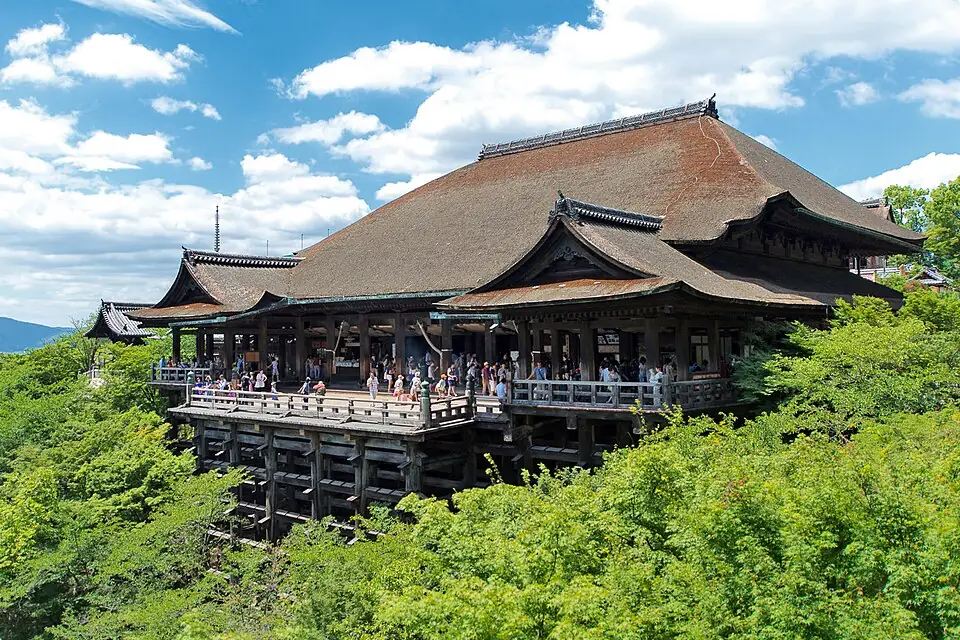
5. Kiyomizu-dera: around ¥500
Adult admission runs around ¥500 (some sources cite ¥400. Check the current gate price), paid in cash, with no advance booking needed for a standard daytime visit. The wooden stage jutting out over the hillside is the postcard shot, but the temple grounds and the approach through Higashiyama’s preserved lanes are worth slowing down for rather than treating as a quick photo stop.
6. Ginkaku-ji (the Silver Pavilion) + Philosopher’s Path: around ¥1,000
Ginkaku-ji’s adult entry rose from around ¥500 to around ¥1,000 as of April 1, 2026 (elementary/junior-high entry is around ¥500): if you’re pricing this from an older guide, the number you’re reading is out of date. The Philosopher’s Path, the roughly 1.5km canal-side walk north toward Nanzen-ji and Eikan-do, remains free and is one of Kyoto’s most pleasant unhurried strolls, lined with cafés and small shops rather than anything alcohol-focused.
7. Nijo Castle: around ¥1,300
The Ninomaru Palace’s adult entry runs around ¥1,300 (middle/high-school students around ¥400, elementary around ¥300): the priciest single ticket on this list. A separate Honmaru Palace add-on costs around ¥1,000 more and needs advance reservation, unlike everything else here. Budget a full hour-plus if you want to see both the palace interior and the grounds properly; it’s a bigger site than photos suggest.
Summary Table: Kyoto’s Top Things to Do
| Sight / experience | Around (from) | Book ahead? | Best time to go |
|---|---|---|---|
| Fushimi Inari Taisha | Free (open 24h) | No | Dawn or after dark |
| Arashiyama Bamboo Grove + Tenryu-ji | Free + ¥500 (+¥300 for the halls) | No | Before 8am |
| Gion (Hanamikoji-dori) | Free | No | Early evening |
| Kinkaku-ji | ¥500 | No (cash at gate) | Opening time (9:00) |
| Kiyomizu-dera | ¥500 | No (cash at gate) | Morning |
| Ginkaku-ji + Philosopher’s Path | ¥1,000 (raised Apr 2026) + free path | No (cash at gate) | Morning |
| Nijo Castle | ¥1,300 | No (Honmaru add-on needs booking) | Morning, allow 1h+ |
None of this needs a rental car: Kyoto runs on city buses and two subway lines, and every sight above is reachable on the Subway & Bus 1-Day Pass (around ¥1,100 for adults, covering both networks; a single bus ride alone is around ¥230, so the pass breaks even around five rides). Once your Kyoto days are booked, plan the wider trip: our JR Pass worth-it guide does the Shinkansen math for the Tokyo–Kyoto leg, and our Japan itinerary sequences Kyoto with the rest of the country. If you’re comparing dates around these bookings, check fares on our flights hub, and lock in Shinkansen or JR Pass seats early on our trains hub: advance fares climb the closer you book.
Frequently Asked Questions
What are the best things to do in Kyoto?
Fushimi Inari Taisha (free, open 24 hours), the Arashiyama Bamboo Grove (free) with Tenryu-ji next door (around ¥500), Kinkaku-ji and Kiyomizu-dera (around ¥500 each), Ginkaku-ji with the Philosopher’s Path (around ¥1,000), and Nijo Castle (around ¥1,300) cover Kyoto’s must-sees. None of the paid sights take advance bookings (all are cash-at-the-gate), so the only real strategy is arriving early, especially at Fushimi Inari and Arashiyama.
Is Fushimi Inari Taisha free to visit?
Yes. Fushimi Inari Taisha and its thousands of vermilion torii gates cost nothing to enter and stay open 24 hours a day year-round, though the main shrine buildings close around 17:00–18:00. There’s no ticket booth and no booking; the only real cost is arriving early enough to beat the tour groups that fill the lower gates by mid-morning.
How much does it cost to visit Kinkaku-ji, the Golden Pavilion?
Adult entry to Kinkaku-ji runs around ¥500 (elementary and junior-high students around ¥300), paid in cash at the gate. There’s no advance booking or online ticket. It’s open daily from 9:00 to 17:00, and the earlier you arrive, the better the reflection of the gold-leafed pavilion looks in the pond before the crowds and the wind pick up.
Are the Arashiyama Bamboo Grove and Tenryu-ji free?
The Arashiyama Bamboo Grove itself is completely free, open 24 hours with no gates or tickets. Tenryu-ji, the temple and garden right next to it, charges around ¥500 for garden admission (per its official visiting page, checked September 2026), plus around ¥300 more if you also want to enter the halls, with no fee revision announced.
How much has the Ginkaku-ji entry fee changed in 2026?
Ginkaku-ji (the Silver Pavilion) raised its adult admission from around ¥500 to around ¥1,000 as of April 1, 2026: elementary and junior-high entry is around ¥500. The adjoining Philosopher’s Path, the roughly 1.5km canal-side walk north toward Nanzen-ji and Eikan-do, remains free.
How much does Nijo Castle cost, and is Gion free to visit?
Nijo Castle’s Ninomaru Palace charges adult entry of around ¥1,300 (students around ¥400, elementary around ¥300), with a separate Honmaru Palace add-on around ¥1,000 that needs advance reservation. Gion, Kyoto’s historic geisha district, costs nothing to walk: Hanamikoji-dori is at its best in the early evening light, no ticket required.
Plan the Rest of Your Kyoto Trip
Hit Fushimi Inari and Arashiyama at dawn since both are free and reward early timing, budget cash for Kinkaku-ji, Kiyomizu-dera, Ginkaku-ji, Tenryu-ji and Nijo Castle since none take advance bookings, and double-check the Ginkaku-ji 2026 fee change before you finalize your budget. For where to base yourself near all seven of these, see where to stay in Kyoto, and for the wider trip, our Japan travel guide covers Tokyo too, including where to stay in Tokyo.
Compare prices now and lock in your dates:
Find cheap flights to Kyoto | Compare Kyoto hotel prices
Need an airport transfer sorted before you land? Compare options on our transfers hub, browse more stays on the hotels hub, and sort out mobile data before you fly on our eSIM hub.