Quick Answer
- First-timers / value / day trips: around Kyoto Station: the transport hub, most hotels.
- Food + walkability: Downtown (Kawaramachi / Karasuma), minutes from Gion.
- Traditional atmosphere: Gion / Higashiyama (east), beautiful, pricier.
- Kyoto runs on buses, stay near the station or a subway stop to cut commuting.
- Book early for blossom (early April) and autumn (late November), prices spike and sell out.
Kyoto Isn’t Tokyo: Here’s Why the Right Base Matters More
The classic first-visit mistake is treating Kyoto like Tokyo. Tokyo has a train loop that fixes almost any hotel choice; Kyoto doesn’t. It’s a flatter, lower-rise city that runs mostly on buses, with the big sights spread around the edges: temples east, bamboo west, station south. So where you sleep genuinely changes how much of your day you spend on a crowded bus versus walking out into the good stuff. Pick well and Kyoto is magic; pick badly and you’ll queue for the 100 bus a lot.
Here’s the honest area-by-area, with who each suits and what it costs.
Kyoto Neighbourhoods Compared
| Neighbourhood | Vibe | Roughly / night | Best for |
|---|---|---|---|
| Kyoto Station | Modern, busy, connected | ¥7,000–20,000 | First-timers, value, day trips, transport |
| Downtown (Kawaramachi/Karasuma) | Lively, food, shopping | ¥12,000–26,000 | Walkability, dining, central base |
| Gion / Higashiyama | Traditional, scenic, temples | ¥18,000–40,000 | Atmosphere, ryokan, romance |
| Arashiyama | Leafy, riverside, calm | ¥15,000–35,000 | Nature, quiet, the bamboo grove |
| Northern Higashiyama | Serene, temple-rich | ¥12,000–28,000 | Slow mornings, walking the temples |
The Areas, One by One
Around Kyoto Station: the convenient, best-value base
The practical first-timer pick. You get the widest range of hotels at the best prices, the main bus terminal, two subway lines, local rail and the Shinkansen all on your doorstep. It’s modern rather than atmospheric, but for value and for anyone doing day trips (Nara, Osaka, Uji), nothing beats it. Walk 15 minutes north and you’re already among temples.
Downtown: Kawaramachi & Karasuma: food and walkability
Central Kyoto’s liveliest area, and a strong pick for a second visit. You’re among the best restaurants, Nishiki Market and the shopping streets, within walking distance of Gion across the river, and on the subway. It costs a bit more than the station but you’ll walk more and bus less.
Gion & Higashiyama: traditional and scenic
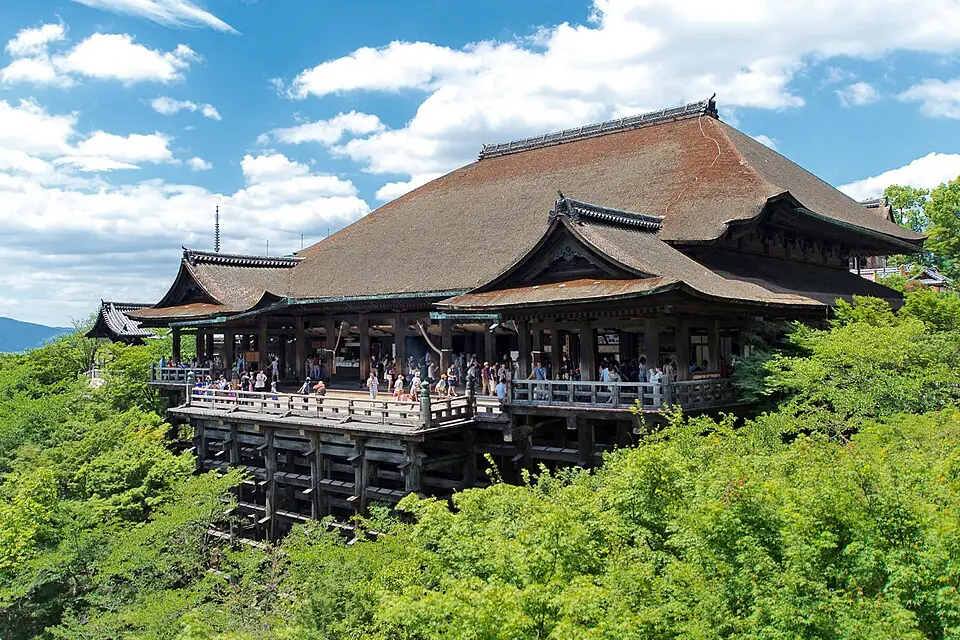
The postcard Kyoto: lantern-lit lanes, wooden machiya townhouses, and Kiyomizu-dera, Yasaka Shrine and the Higashiyama temples on foot. The most atmospheric (and most expensive) place to stay, with beautiful ryokan and boutique hotels. Fewer budget options and it can get very busy by day, but mornings and evenings here are unforgettable.
Arashiyama: leafy, riverside calm
Out west by the famous bamboo grove and the Katsura River. Green, scenic and peaceful, especially once the day-trippers leave. Lovely for a relaxed, nature-leaning stay, but it’s further from the centre, so factor in the extra travel time to the eastern sights.
Northern Higashiyama: serene temple-walking
Quiet, refined and packed with temples (the Philosopher’s Path, Nanzen-ji, Ginkaku-ji). Ideal if you want to step out of your hotel and walk straight into Kyoto’s calmer, greener temple district, away from the crowds. A little less convenient for transport, so pair it with the bus network.
How to Choose (and Book Smart)
Frequently Asked Questions
Where is the best place to stay in Kyoto for the first time?
For a first trip, stay around Kyoto Station or in the Downtown (Kawaramachi/Karasuma) area. Kyoto Station is the transport hub with the widest range of hotels and easy bullet-train and bus access, while Downtown puts you among the best food and shopping, within walking distance of Gion. Both make getting around simple, since Kyoto relies heavily on buses.
What is the best area to stay in Kyoto for atmosphere?
Gion and the wider Higashiyama district on the eastern side are the most atmospheric bases: traditional streets, temples, and machiya townhouses, within walking distance of Kiyomizu-dera and the Gion lanes. It is quieter and more scenic than Downtown, though hotels and ryokan here tend to cost more and there are fewer budget options.
Is it better to stay near Kyoto Station or in the city centre?
Kyoto Station is best for convenience, transport and value, with the most hotels and direct access to buses, trains and the Shinkansen. The Downtown centre around Kawaramachi and Karasuma is better for food, shopping and walkability. Both are well connected; Station suits day-trippers, Downtown suits those who want the city on their doorstep.
Where should I stay in Kyoto on a budget?
The area around Kyoto Station has the best concentration of budget business hotels, hostels and guesthouses, plus unbeatable transport links. Staying near a subway station or a major bus route keeps you connected cheaply. Avoid booking in Gion or Arashiyama if budget is the priority, as those areas skew pricier.
How do you get around Kyoto from your hotel?
Kyoto relies mainly on an extensive bus network, plus two subway lines and some rail, so staying near Kyoto Station or a subway stop makes life easier. Buses reach most temples and sights. An IC card such as ICOCA or Suica works on buses and trains, and many travellers also walk or cycle around the flatter central and eastern areas.
How much do hotels in Kyoto cost?
Budget business hotels and hostels run roughly 7,000 to 14,000 yen a night, mid-range hotels 15,000 to 28,000 yen, and ryokan or upscale hotels in Gion and Higashiyama 30,000 yen and up. Prices rise sharply and rooms sell out during cherry-blossom season in early April and the autumn foliage in late November, so book those months well ahead. On top of the room rate, Kyoto charges a per-person, per-night accommodation tax (from 200 yen up to 10,000 yen for stays of 100,000 yen or more, since March 2026), usually collected at check-in.
Book Your Kyoto Base
Weigh the buses, match the area to your trip, and book blossom and autumn early. That’s how you get Kyoto right. Base near the station for ease and value, Downtown for food and walking, or Gion for the Kyoto of the postcards. Then walk out into one of the most beautiful cities on earth.
Keep planning with our Kyoto travel guide, Japan itinerary and Japan budget guide.