Quick Answer
- Best time to visit Hokkaido: Dec–Mar for world-class powder and the Snow Festival; Jun–Aug for lavender and green mountains.
- Where to stay: Sapporo as the hub; Niseko for skiing; Furano/Biei for summer flowers; Hakodate for charm and a famous night view.
- From New Chitose (CTS): take the JR rapid train straight to Sapporo Station, around 40 minutes.
- Getting around: JR trains and intercity buses link the towns; a hire car opens up the countryside (winter driving needs care).
- Eat smart: Sapporo miso ramen, soup curry, and fresh seafood bowls at the Nijo Market.
Hokkaido, Without the Rookie Mistakes
Visitors who book a July trip expecting snow and ski lifts are planning for the wrong half of the island: Hokkaido’s powder doesn’t show up until December, and July instead brings lavender fields and green mountains in a quiet miracle of flowers and cool air.
So here’s the short version. Hokkaido is really two destinations sharing one island: a winter wonderland of world-class powder snow from roughly December to March, crowned by the Sapporo Snow Festival in February, and a soft, green summer from June to August when the Furano and Biei flower fields bloom. Pick your season for what you actually want, base yourself in Sapporo, and decide between train and hire car early. Get those three right and Japan’s big northern island stops feeling intimidating and starts feeling like the wide-open escape it is.
A colour-coded itinerary isn’t needed here. What matters is landing in the right season, sleeping somewhere central, and not overthinking the ride in from the airport. The rest is mountains, markets and snow. The season chosen changes everything, including the page to read next.
What to pack for Hokkaido
Four picks from our gear guides that suit this trip. Each card opens the live Amazon price; the links below lead to the full comparisons.
360-degree memory foam with asymmetrical sides, so you pick which side gets the most support instead of getting the same generic curve everywhere. It was the single most-purchased travel product among Travel + Leisure readers in 2025. The catch: even compressed to about 60% of its size in the included bag, it’s still bulkier than an inflatable.
Check price on Amazon Live price on AmazonThe cheapest way to find out whether you even like compression socks: three knee-high pairs in 15-20 mmHg, the range most often recommended for flying.
Check price on Amazon Live price on AmazonThe reliable all-rounder: one USB-C and four USB-A ports, plugs for 200+ countries, and a built-in fuse with a spare. The adapter most people should buy.
Check price on Amazon Live price on AmazonModel A1259, 10,000mAh, about 37Wh, 215 g. Two phone charges in a jacket pocket, and small enough that the two-bank limit never becomes a question.
Check price on Amazon Live price on AmazonGetting Around Hokkaido
Here’s where some first-timers overcomplicate things before they’ve left the airport: Hokkaido is rural and big, but the bit you’ll do first (airport to Sapporo) is the easy part. Start there, then decide on train versus car.
And honestly? Slow down. Hokkaido rewards the trip that picks two or three areas and goes deep, not the one that tries to circle the whole island in a week.
What Not to Miss
You can’t see all of Hokkaido in one trip, so aim for a handful done well rather than a checklist done badly.
- Sapporo and the Snow Festival. The island’s capital is the easy hub, and in early February it hosts the Sapporo Snow Festival: vast, illuminated ice and snow sculptures filling Odori Park. Even outside the festival, Sapporo’s food and markets earn a couple of days.
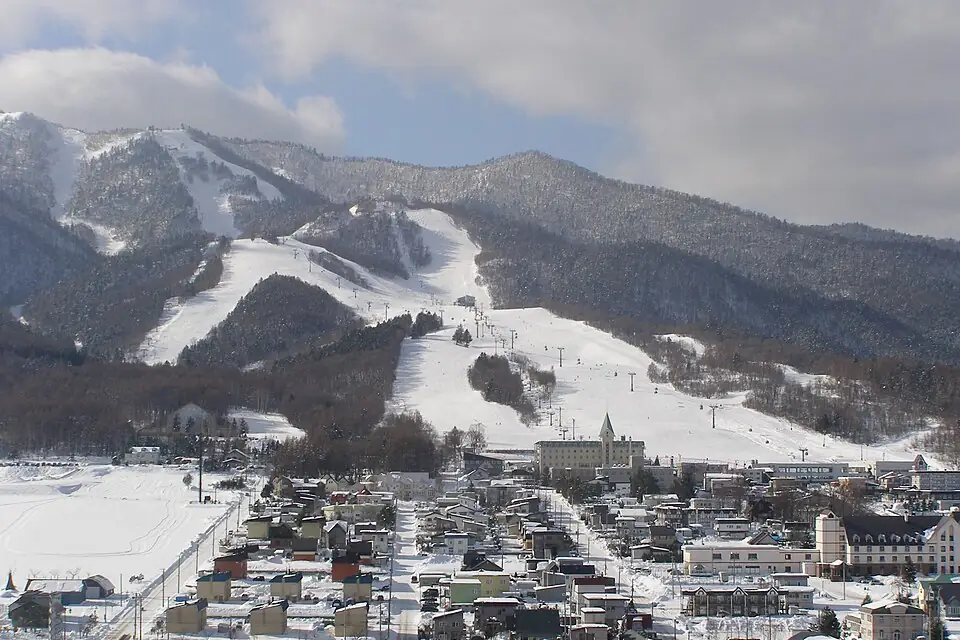
- Niseko powder skiing. Niseko’s light, deep, reliable snow is the reason skiers fly across the world; even non-skiers can ride the gondola for the views and soak in an onsen afterwards.
- Furano and Biei flower fields. In summer the rolling farmland blooms in stripes of lavender and wildflowers (peak July) with the gentle “patchwork” hills of Biei nearby. It’s photography heaven.
- Otaru canal. A short hop from Sapporo, this old port town’s stone-warehouse canal is especially pretty lit up at dusk, and it’s famous for glasswork and fresh sushi.
- Hakodate’s night view. Ride the ropeway up Mount Hakodate after dark for one of Japan’s most celebrated city panoramas, the lights pinched between two bays.
- Daisetsuzan hiking. Hokkaido’s mountainous heart offers some of Japan’s best, least-crowded hiking, with the earliest autumn colours in the country come late September.
The quiet wins are cheap: a bowl of ramen on a snowy night, a soft-serve ice cream in a Biei field, the sea-urchin rice bowl you didn’t plan to order at the market.
Best Time to Visit Hokkaido
Hokkaido swings harder between seasons than almost anywhere else in Japan, so the month you pick doesn’t just change the weather. It changes the whole trip. The short answer: come in winter for snow, summer for flowers. Here’s how the seasons actually compare.
| Season | Weather | Crowds | Prices | Best for |
|---|---|---|---|---|
| Winter (Dec–Mar) | Cold, snowy, −10 to 0°C | High in ski hubs | Peak in Niseko, Feb festival | World-class powder snow, the Sapporo Snow Festival (February) |
| Spring (Apr–May) | Cool, thawing, 5–15°C | Low | Good value | Late cherry blossom, quiet sightseeing, shoulder prices |
| Summer (Jun–Aug) | Mild, green, 18–26°C | Building in July | Mid, rising for flower season | Lavender and flower fields, hiking, cool escape from the mainland heat |
| Autumn (Sep–Oct) | Crisp, golden, 8–18°C | Easing | Good value | Autumn colours, especially in Daisetsuzan, calm towns |
A few dates worth circling: the Sapporo Snow Festival fills the city with giant ice and snow sculptures for about a week in early February: magical, but book accommodation months ahead. The Furano lavender peaks in July, so that’s the window for the purple-striped hillsides. And Hokkaido’s summer is genuinely cool while the rest of Japan swelters, which makes July and August a clever heat-escape if flowers, not snow, are your thing.
Where to Stay in Hokkaido
Hokkaido is huge (bigger than some countries), so where you base yourself shapes how much driving or training you’ll do. Most trips revolve around Sapporo and one other spot chosen by season. Here’s how the classic bases compare.
| Base | Vibe | Best season | Best for |
|---|---|---|---|
| Sapporo | Big-city hub, food and nightlife-lite, well-connected | Year-round | First-timers, food, day trips, the February festival |
| Niseko | Ski resort village, international, powder-obsessed | Winter | Skiing, snowboarding, onsen after the slopes |
| Furano / Biei | Rural, rolling farmland, flower fields | Summer | Lavender, photography, slow countryside days |
| Hakodate | Smaller port city, historic, hilltop views | Year-round | A famous night view, fresh seafood, a gentler pace |
If it’s your first time, base yourself in Sapporo and branch out. It’s central, easy to reach from the airport, and ringed by day trips. Add Niseko if you’re chasing the powder, or Furano and Biei if you’ve come for the summer flowers and don’t mind a car. Hakodate is the charming wildcard: a smaller city with a hillside night view that ranks among Japan’s best, and seafood straight off the boats. Compare live rates anytime on our hotels hub.
Frequently Asked Questions
What is the best time to visit Hokkaido?
It depends on what you came for. December to March brings world-class powder snow and the Sapporo Snow Festival in February. June to August is mild and green, with the famous Furano and Biei lavender and flower fields peaking in July. Spring and autumn are quiet and good value, with autumn colours in late September and October.
Where should I stay in Hokkaido for the first time?
Sapporo is the natural hub: central, well-connected and easy to reach from the airport, with day trips all around it. Niseko is the base for skiing and snowboarding, Furano and Biei suit summer flower trips, and Hakodate is a charming smaller city with a famous night view. Most first-timers pair Sapporo with one of these.
How do I get from New Chitose Airport to Sapporo?
Take the JR rapid train (the Airport Liner) from New Chitose Airport directly to Sapporo Station. It runs frequently and takes around 40 minutes, far simpler than a taxi or hire car for the city leg. From Sapporo Station you can transfer onward to most of Hokkaido by JR train or intercity bus.
Do I need a car to get around Hokkaido?
Not for the cities. Sapporo has subway, trams and buses, and JR trains link the main towns. But Hokkaido is large and rural, so a hire car opens up the countryside (Furano, Biei and the national parks) far more flexibly. If you drive in winter, allow extra time and care, as roads can be snowy and icy.
What food is Hokkaido known for?
Hokkaido is one of Japan’s great food regions. Try Sapporo miso ramen, the island’s signature soup curry, and famously fresh seafood: head to the Nijo Market in central Sapporo for crab, scallops and sea-urchin rice bowls. Dairy, sweetcorn, melon and soft-serve ice cream are also local specialities worth seeking out.
How many days do you need in Hokkaido?
Five to seven days is a comfortable first trip: a couple of days in Sapporo, then either Niseko for snow in winter or Furano and Biei for flowers in summer, plus a side trip to Otaru or Hakodate. Ten days lets you add Daisetsuzan hiking or the eastern national parks without rushing.
Start Planning Your Hokkaido Trip
Get the season right and Hokkaido gives you two completely different trips for the price of one: powder and ice in winter, lavender and cool green hills in summer. Pick a season, base in Sapporo, take the JR train in, and eat your way through the Nijo Market.
Compare prices now and lock in your dates:
Find cheap flights to Hokkaido | Compare Sapporo hotel prices
Planning the wider trip? See our best time to visit Japan guide and browse more stays on the hotels hub.