Quick Answer
- Best time to visit Kerala: September to March: dry, warm and green, with December–January the busy peak.
- Where to stay: Fort Kochi for heritage, Alleppey for the backwaters and a houseboat, Munnar for tea hills, Varkala/Kovalam for the beach.
- Getting around: fly into Kochi (COK); a hired car with driver makes the classic loop easy, trains/buses are the budget option.
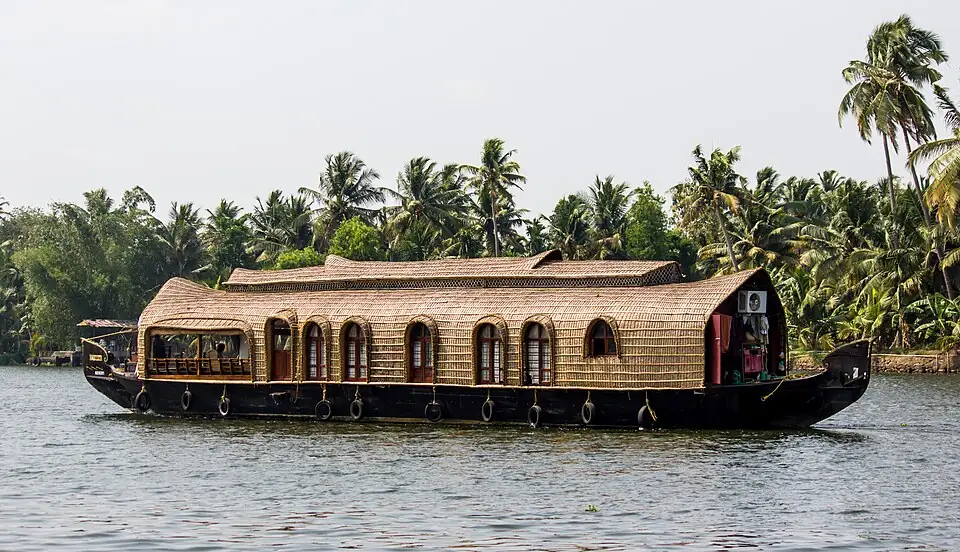
- The signature night: an overnight kettuvallam houseboat on the Alleppey backwaters. Book a quieter route.
- Eat well: appam with stew, a Kerala fish curry, and a banana-leaf sadya feast.
Kerala, Without the Rushed Itinerary
A five-places-in-six-days sprint with a different bed every night sounds thorough, but it mostly means watching Kerala go past a car window. Picking two or three bases and giving the houseboat a full night is the trip people remember.
So here’s the short version this Kerala travel guide is built around: come between September and March, fly into Kochi, pick two or three bases instead of seven, give the Alleppey backwaters an overnight houseboat, and let a hired driver handle the long roads. Do that and Kerala stops being a checklist and becomes what the tourism board calls it: God’s Own Country, at the pace it’s meant to be seen.
A fourteen-stop itinerary isn’t needed. What matters is the right season, a couple of good bases, and the patience to drift down a canal for a day. The rest (tea hills, fish curry, a beach to finish) falls into place. The single thing most first-timers overdo is the very thing that ruins the calm Kerala is famous for.
What to pack for Kerala
Four picks from our gear guides that suit this trip. Each card opens the live Amazon price; the links below lead to the full comparisons.
360-degree memory foam with asymmetrical sides, so you pick which side gets the most support instead of getting the same generic curve everywhere. It was the single most-purchased travel product among Travel + Leisure readers in 2025. The catch: even compressed to about 60% of its size in the included bag, it’s still bulkier than an inflatable.
Check price on Amazon Live price on AmazonThe cheapest way to find out whether you even like compression socks: three knee-high pairs in 15-20 mmHg, the range most often recommended for flying.
Check price on Amazon Live price on AmazonThe reliable all-rounder: one USB-C and four USB-A ports, plugs for 200+ countries, and a built-in fuse with a spare. The adapter most people should buy.
Check price on Amazon Live price on AmazonModel A1259, 10,000mAh, about 37Wh, 215 g. Two phone charges in a jacket pocket, and small enough that the two-bank limit never becomes a question.
Check price on Amazon Live price on AmazonGetting Around Kerala
Here’s where people burn their holiday: trying to self-drive Kerala’s narrow, busy roads, or stringing together too many slow buses. Don’t. The state is made for a gentle loop, and the best leg of it happens at walking pace on the water.
And honestly? Build in nothing days. The point of Kerala isn’t the distance covered. It’s the morning you spend doing nothing but watching a canal wake up.
What Not to Miss
You can’t see all of Kerala in one trip, so aim for a handful done slowly rather than a list done in a blur.
- An Alleppey backwater houseboat. The overnight kettuvallam is the heart of any Kerala trip: drifting through palm-lined canals and rice country, far from any road.
- The Munnar tea plantations. Rolling emerald hillsides of tea, cool air, and viewpoints that make the four-hour climb up from Kochi worth every minute.
- Fort Kochi’s Chinese fishing nets and Mattancherry. The cantilevered nets at sunset, the spice-trade lanes, and the old quarters of Mattancherry with their layered history.
- A Periyar wildlife reserve trip. Up in the hills around Thekkady, a boat or guided walk in the Periyar reserve gives you elephants, birdlife and proper jungle.
- A Kathakali performance. Kerala’s hypnotic classical dance-drama, with its painted faces and elaborate costumes. Arrive early to watch the makeup go on.
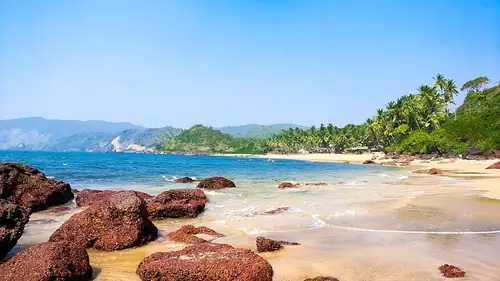
- The Varkala cliffs. A dramatic red-laterite cliff above the Arabian Sea, with a path along the top and one of Kerala’s best stretches of beach below.
The quiet wins are free: sunrise mist over the tea, a slow canal at dusk, the first sip of filter coffee while the village wakes.
Best Time to Visit Kerala
Kerala has two faces (bone-dry winter and a drenching monsoon), and which one you get changes everything from the colour of the hills to the price of a houseboat. The short answer: aim for the dry, green window after the rains. Here’s how the seasons actually compare.
| Season | Weather | Crowds | Prices | Best for |
|---|---|---|---|---|
| Post-monsoon / winter (Sep–Mar) | Warm, dry, 23–32°C | Building to a Dec–Jan peak | Mid, peaking over the holidays | Backwaters, tea hills, beaches, the all-round sweet spot |
| Hot season (Apr–May) | Hot, humid, 30–36°C | Lower | Softer | Empty beaches and hill stations if you can take the heat |
| Monsoon (Jun–Aug) | Wet, lush, dramatic | Lowest | Cheapest | Green everything, low rates, the traditional Ayurveda season |
Two things worth knowing: December and January are when the world arrives, so book the houseboat and any hill-station hotel well ahead. And the monsoon isn’t a write-off: Kerala’s Ayurveda tradition holds that the cool, humid rainy months are the ideal time for treatments, so many retreats run their best packages then, at the year’s lowest prices, if you don’t mind the rain.
Where to Stay in Kerala
Kerala isn’t a city break. It’s a string of very different places, and the trick is to sleep in two or three of them rather than racing between all of them. Here’s how the classic bases compare.
| Base | Vibe | Roughly | Best for |
|---|---|---|---|
| Fort Kochi | Heritage streets, art, sea breeze | ₹2,500–7,000/night | Arrival, walking, history, cafés |
| Alleppey (Alappuzha) | Backwater canals, houseboats | ₹3,000–9,000/night | The houseboat night, slow water days |
| Munnar | Cool tea hills, viewpoints | ₹2,500–7,500/night | Plantations, hikes, escaping the heat |
| Varkala / Kovalam | Cliffs and beaches | ₹2,500–8,000/night | Ending on the coast, sunsets, unwinding |
For a first time, anchor on Fort Kochi for the heritage and the easy landing, give Alleppey a night on the water, and add Munnar for the cool, green tea hills. That trio is Kerala in miniature. Save Varkala or Kovalam for the end, when you just want to sit on a cliff and watch the Arabian Sea do its thing. Compare live rates anytime on our hotels hub.
Frequently Asked Questions
What is the best time to visit Kerala?
September to March is the sweet spot: the monsoon has cleared, days are warm and dry, and the backwaters and tea hills look their greenest. December and January are peak season and busiest. April and May turn hot and humid, while June to August brings the lush monsoon: quieter, cheaper, and the traditional Ayurveda season.
Where should I stay in Kerala for the first time?
Split your nights. Base in Fort Kochi for heritage streets and easy arrival, Alleppey (Alappuzha) for the backwaters and a houseboat night, Munnar for the cool tea hills, and Varkala or Kovalam if you want to end on a beach. Two or three bases over a week beats trying to sleep everywhere.
How do I get around Kerala?
Most travellers fly into Kochi (COK) and do a loop by hired car with a driver, which is affordable and saves long bus days. Trains and buses link the main towns cheaply if you have time. Fort Kochi itself is walkable and cyclable, and the signature leg is an overnight houseboat on the Alleppey backwaters.
Is a Kerala backwater houseboat worth it?
Yes. An overnight kettuvallam houseboat on the Alleppey backwaters is the experience most people remember from Kerala. You drift past rice paddies, palm-lined canals and village life with meals cooked on board. Book a quieter route away from the busiest stretch and you trade crowds for genuine calm.
Do I need a visa for Kerala, India?
Most visitors need an Indian e-Visa, applied for online before travel; a tourist e-Visa is usually granted for stays of 30 days, one year or five years depending on the type you choose. Apply through the official Indian government e-Visa portal a few days ahead, and check the current rules for your nationality.
What should I eat in Kerala?
Start with appam (lacy rice pancakes) with vegetable or coconut stew, a proper Kerala fish curry on the coast, and a sadya, a vegetarian feast of many small dishes served on a banana leaf, traditionally eaten with your right hand. Filter coffee and fresh tender-coconut water round out the day.
Start Planning Your Kerala Trip
Get the season and the pace right and Kerala rewards more than any rushed itinerary ever could. Swapping a frantic multi-stop plan for two or three good bases and a full night on the water turns a tour into a trip worth remembering. Come in the dry season, fly into Kochi, give the backwaters their houseboat night, and let a driver handle the roads.
Compare prices now and lock in your dates:
Find cheap flights to Kochi | Compare Kerala hotel prices
Planning the wider trip? See our best time to visit India guide and browse more stays on the hotels hub.