Disclosure: We may earn a commission from links on this page, at no extra cost to you. How we earn
This article contains affiliate links. If you make a booking through these links, we may earn a commission at no extra cost to you. About & Affiliate Disclosure
Quick Answer
- Common rejection traps: typos in a name or passport number, or a photo without a plain background, get applications bounced; most approvals take a few business days.
- Apply only at the official portal, indianvisaonline.gov.in: never a third-party agent site.
- Timing sweet spot: apply two to four weeks ahead, inside the window and with slack for Indian public holidays; the online form takes most people 20–30 minutes.
- Tourist helpline: a separate 1363 line exists for tourists; the Taj Mahal is closed every Friday, so book the Agra day trip for another day of the week.
- Passport: valid six months from arrival, two blank pages, and the same passport you applied with.
- Currency & help on the ground: the Indian rupee runs around ₹90–97 per USD in 2026; the pan-India emergency number is 112.
Do You Need a Visa for India? Yes: and Here’s the Trap
Here’s the one thing that catches people out, and it costs them the trip before it starts: India has no visa-on-arrival for Western passports. None. You cannot show up at Delhi airport with a hopeful smile and sort it at a counter. If your e-Visa isn’t approved and sitting in your inbox before you board, the airline won’t let you on the plane.
The good news is that the fix is genuinely easy: an entirely online form, a passport photo, a card payment, and a wait of a few days. The bad news is only for people who leave it to the last minute or, worse, google “India visa” and hand their money to the first slick-looking site that isn’t the government’s. Do that and you’ll pay triple for a middleman, or nothing for a scam.
So let’s do this properly. One official portal, three price tiers, a short list of things that get applications rejected, and you’re done. Everything below is dated to July 2026: India tweaks the fees and season pricing often, so treat the numbers as “around” and confirm the live figure on the portal before you pay.
Requirements by Nationality
India’s e-Tourist Visa is open to roughly 166 nationalities, which covers essentially every Western tourist reading this. The visa itself is the same online product for all of them; only the fee and a few document checks vary by country. General picture as of July 2026:
| Your passport | Visa needed in advance? | How to get it | Max stay |
|---|---|---|---|
| USA, UK, Canada, Australia, New Zealand | Yes | e-Tourist Visa online at indianvisaonline.gov.in | Up to 30 days / 1 year / 5 years by tier |
| Germany, France, Spain, Italy, most EU | Yes | e-Tourist Visa online at indianvisaonline.gov.in | Up to 30 days / 1 year / 5 years by tier |
| ~166 eligible nationalities in total | Yes | e-Tourist Visa online (multiple-entry) | Per tier chosen |
| Nationalities outside the e-Visa list | Yes | Regular visa at an Indian mission/embassy | Per visa |
The headline rule again, because it’s the one that ends trips: there is no visa-on-arrival for these passports. The government portal labels the scheme “e-Visa (TVoA)”, and that “VoA” makes people assume they can pay on landing. You can’t. Despite the wording, you apply and get approved online first, then travel. The counter at the airport only checks the approval you already have.
How to Apply, Step by Step
The whole thing takes most people 20–30 minutes plus a few days’ wait. Do it on the official site and nowhere else.
- Go to the official portal: indianvisaonline.gov.in. Bookmark it, and check the address bar. Dozens of copycat “visa service” sites rank in search and charge a fat markup, or take your money and vanish. The real e-Visa is issued only by the government portal.
- Start the e-Tourist Visa application and enter your details exactly as they appear in your passport. A typo in a name or passport number is one of the most common rejection reasons.
- Upload the required files: a scan of your passport bio page and a recent passport-style photo (plain background, face square to the camera). Have them ready before you start so the session doesn’t time out.
- Choose your tier: 30-day, 1-year or 5-year, all multiple-entry (see costs below).
- Pay by card. The fee plus a 2.5% bank transaction charge is taken online. Keep the payment confirmation.
- Wait for approval by email. Most e-Tourist Visas come back within a few business days. Print the approved e-Visa (or keep it clearly accessible on your phone). You’ll show it at check-in and at immigration.
Timing is the part people get wrong. You can apply at the earliest 120 days before arrival and at the latest 4 days before you land, so it is neither a book-a-year-out task nor a night-before scramble. The sweet spot is two to four weeks ahead: comfortably inside the window, with slack for Indian public holidays or a request for extra documents.
Costs & Validity
Three multiple-entry tiers, all bought through the same portal. Prices as of July 2026: India revised several e-Visa fees downward in the past year, and the 30-day fee has a genuine low-season discount, so always confirm the live number before paying.
| e-Tourist Visa tier | Around (July 2026) | Entries | Good to know |
|---|---|---|---|
| 30-day | ~$25 (~$10 in Apr–Jun) | Multiple | The Apr–Jun promo pricing lines up with India’s hot season, cheap visa, brutal heat |
| 1-year | ~$40 | Multiple | Was $80; a strong deal if you’ll make more than one trip in the year |
| 5-year | ~$80 | Multiple | For repeat visitors, pays for itself fast versus buying short visas each time |
Every tier carries an extra 2.5% bank transaction charge on top, and the exact fee shifts a little by nationality. A few honest trade-offs:
- The 30-day, Apr–Jun ~$10 window is a real bargain, but that’s peak heat. Delhi, Agra and Jaipur regularly clear 40°C from April to June. The cheap visa is cheap for a reason; October–March is the far more comfortable season to actually travel (see our best time to visit India pillar).
- The 1-year visa at ~$40 is the quiet winner for anyone who might return, or wants a relaxed buffer around a single long trip.
- Multiple-entry across all tiers means a side trip to a neighbouring country and back doesn’t burn your visa.
While you’re sorting the paperwork and budget, price up the rest of the trip too: India is one of Asia’s best-value destinations, with plenty of clean, comfortable hotel deals at low nightly rates and cheap flights worth watching. And get yourself online the moment you land with an India eSIM instead of hunting for a local SIM (which needs in-person KYC).
Common Rejection & Boarding-Refusal Reasons
Most e-Tourist Visa problems aren’t the visa itself. They’re avoidable slip-ups that either get the application bounced or get you turned away at check-in. The usual suspects:
- Using a third-party site instead of the official portal. You either overpay an agent or, worse, receive a fake. Only indianvisaonline.gov.in issues the real e-Visa.
- Passport under six months’ validity. India requires at least six months’ validity from your arrival date and two blank pages. Renew first if you’re close.
- Passport mismatch. The e-Visa is tied to the passport number you applied with. Travel on that exact passport, a renewed or different one won’t match.
- Applying outside the 4–120-day window, or leaving it so late the approval doesn’t arrive before your flight. There’s no visa-on-arrival safety net.
- Typos in name or passport number, or a photo that doesn’t meet the plain-background, face-forward spec.
- Assuming approval is instant. It usually takes a few business days; build in a buffer.
This is YMYL territory (your trip literally depends on it), so treat this guide as a map, not the final word, and confirm every current figure and rule on the official portal before you commit.
Passport, Money & On-the-Ground Basics
- Passport validity. Six months from your date of arrival, minimum, with two blank pages for stamps. Same passport you applied with.
- Currency. India uses the Indian rupee (₹/INR): around ₹90–97 per USD through 2026 (cash and ATM rates run a little under the mid-market rate after fees). It’s a cash-friendly country for small spends; cards work in hotels and bigger shops.
- Travel insurance. India doesn’t mandate it for tourists, but between Delhi-belly, long train journeys and the odd changed plan, it’s cheap peace of mind. See our travel insurance guide for what to look for before you go.
- Emergency number. Save 112: India’s single pan-India emergency line (police, fire, ambulance), reachable by call, SMS or the 112 India app. A separate 1363 tourist helpline also exists.
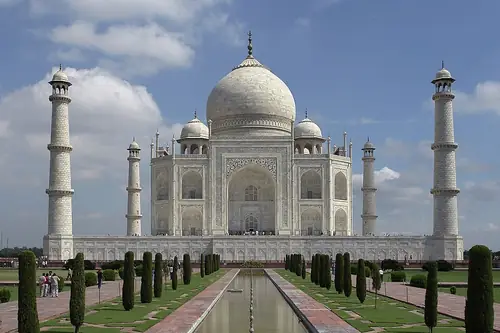
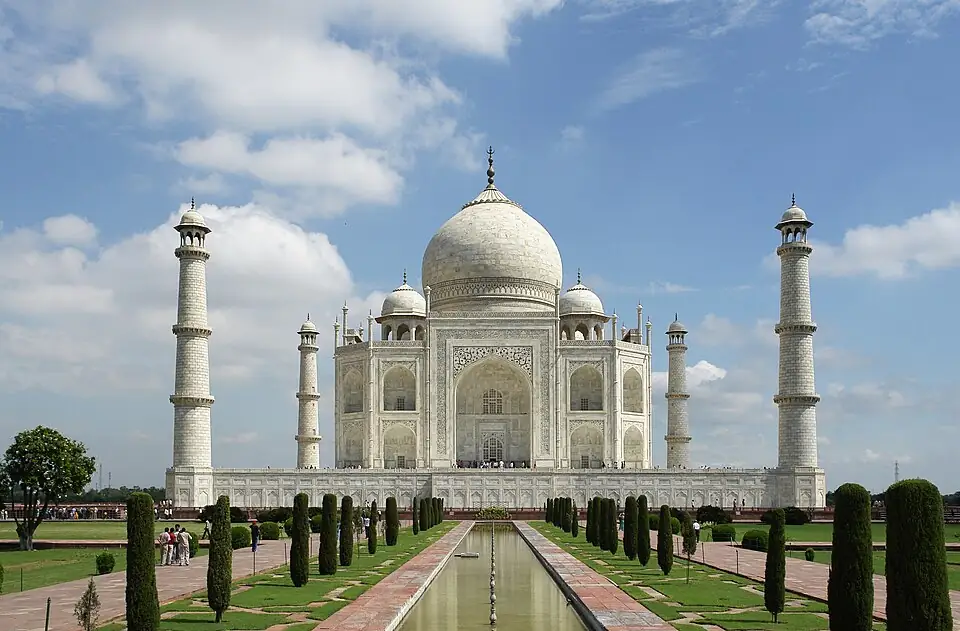
- One timing note for your itinerary: the Taj Mahal is closed every Friday, so if Agra’s on the plan, book that day trip for any other day of the week.
Frequently Asked Questions
Do you need a visa to visit India?
Yes. Almost all Western tourists: US, UK, EU, Canadian and Australian passport holders among around 166 eligible nationalities, need an e-Tourist Visa arranged online before arrival. India does not offer visa-on-arrival for these passports, so there is no way to sort it at the airport. Apply only at the official government portal, indianvisaonline.gov.in, between 4 and 120 days before your arrival date, and wait for the approved e-Visa by email before you fly.
How much does the India e-Tourist Visa cost in 2026?
The India e-Tourist Visa comes in three multiple-entry tiers as of July 2026: a 30-day visa for around $25 (dropping to around $10 during the April–June low season), a 1-year visa for around $40, and a 5-year visa for around $80. Every fee carries an extra 2.5% bank transaction charge, and the exact amount varies by nationality and season. Confirm the current fee on indianvisaonline.gov.in before you pay.
Is there visa-on-arrival for India?
No. Not for US, UK, EU, Canadian or Australian tourists. India’s e-Tourist Visa is strictly online-only and must be approved before departure. The scheme is sometimes labelled ’e-Visa (TVoA)’ on the government site, but despite the ‘VoA’ wording you cannot obtain it at the airport; you apply and get approved online first. Do not use third-party agent sites: only the official portal, indianvisaonline.gov.in, issues the real visa.
How far in advance should you apply for an India e-Visa?
Apply between 4 and 120 days before your arrival date. The earliest you can submit is 120 days ahead; the latest is 4 days before you land, so it is not a last-minute option. Most e-Tourist Visas are approved within a few business days, but leave a comfortable buffer for public holidays and any request for extra documents. You must have the approved e-Visa in hand before you board your flight to India.
What passport validity do you need to enter India?
Your passport must be valid for at least six months from your date of arrival in India and have at least two blank pages for the entry and exit stamps. The passport you apply with must be the same one you travel on: the e-Visa is linked to that passport number. If your passport is close to expiry or nearly full, renew it before applying, as a mismatch or short validity is a common reason for refused boarding.
Next Step
For most readers the India visa is a happy 30-minute task: official portal, photo, card, wait a few days, done. Just remember the two rules that actually matter: apply only at indianvisaonline.gov.in, and have the approval in your inbox before you fly, because there’s no visa-on-arrival to save you.
With the paperwork sorted, the fun part begins. Map out the classic Golden Triangle with our India itinerary, work out trains, autos and domestic flights in getting around India, set your daily spend with the India budget guide, and start with the best time to visit India pillar. Then browse eSIM plans and hotel deals to lock the rest of the trip in.