Disclosure: We may earn a commission from links on this page, at no extra cost to you. How we earn
This article contains affiliate links. If you make a booking through these links, we may earn a commission at no extra cost to you. About & Affiliate Disclosure
Quick Answer
- Taj Mahal timing: the Taj is closed to sightseeing every Friday; foreigner entry runs around ₹1,300, plus around ₹200 to enter the main mausoleum chamber.
- Delhi-Jaipur by train: the Shatabdi-class service that calls at Jaipur (continuing on to Ajmer) runs on the same tiered Chair Car/Executive pricing: fares from around ₹805 up to ₹2,590 across the full route, so confirm the exact Jaipur-only fare on IRCTC.
- Airport to central Delhi: a prepaid taxi or Uber/Ola from Indira Gandhi International Airport runs around ₹800-900 (roughly $9-10), against a fraction of that on the Metro.
- No foreigner Tatkal quota exists, a last-minute booking means competing in the general Tatkal rush (10am for AC classes, 11am for non-AC) the day before travel.
- Domestic flights on IndiGo and Air India beat the train for long hops like Delhi-Mumbai or Delhi-Kerala.
- Tourist Smart Card: each price includes a refundable ₹50 deposit, and the card does not cover the separate Airport Express line, so budget that fare on top.
Getting Around India: The System Nobody Explains Properly
New Delhi Railway Station has sixteen platforms and no obvious signage system for a first-time visitor holding a printed IRCTC ticket, but platform vendors and station staff generally know exactly which train is which and will point the way. The 100-minute Gatimaan ride to Agra that follows often turns out to be the smoothest, least stressful leg of an Indian trip, despite everything written online about Indian trains being chaos.
Here’s the thing nobody tells you before you land: India’s transport isn’t one system, it’s three running in parallel, and picking the right one for each leg is what separates a trip that flows from one that grinds. Trains own the classic Delhi-Agra-Jaipur triangle and most medium-distance routes. Domestic flights own the long hops: Delhi to Mumbai, Delhi to Kerala, anything over about 500 km where a full day on rails stops making sense. And within any single city, it’s autos, Uber and Ola fighting it out for the short trip to your hotel or the next monument. Get the split right and India moves fast and cheap. Get it wrong and you’ll spend a travel day you didn’t budget for.
IRCTC Trains: Classes, Booking and the Foreign Tourist Quota
India’s rail network is enormous, and for a first-timer the class names are the first hurdle. On the day trains that matter most for the Golden Triangle, you’ll mostly choose between:
- AC 3-tier (3A) and AC 2-tier (2A): air-conditioned sleeper-style classes, more common on overnight or longer routes, with 2A offering more space and fewer berths per bay.
- Chair Car (CC) and Executive Chair Car (EC): reclining airline-style seating on fast day trains like the Gatimaan Express and the Shatabdi services, with EC adding extra legroom and service.
Book everything through IRCTC (irctc.co.in), the official booking portal. The single most useful thing for a foreign visitor to know is the Foreign Tourist Quota (FTQ): a reserved allocation on 1A, 2A and Executive Chair Car classes that opens up to 365 days ahead of travel, bookable with nothing more than your passport number and an international payment card. It’s designed specifically so visitors without an Indian bank account or address can still lock in a seat on popular routes months in advance.
The catch: there’s no separate foreigner Tatkal quota. If you miss the FTQ window or decide on a route last-minute, you’re competing in the same general Tatkal booking rush as everyone else: which opens at 10am for AC classes and 11am for non-AC classes the day before departure, and can sell out within minutes on busy routes. Plan ahead where you can.
Delhi-Agra and Delhi-Jaipur: The Fares That Matter Most
These two legs cover the classic Golden Triangle, and they’re where most first-time visitors book their first Indian train ticket.
| Route | Train | Journey time | Fare range |
|---|---|---|---|
| Delhi (Hazrat Nizamuddin) → Agra Cantt | Gatimaan Express (12049/12050) | around 100 minutes for 188 km | around ₹750 (Chair Car) to around ₹1,495 (Executive Class) |
| Delhi → Jaipur | Shatabdi-class service (12015/12016), which calls at Jaipur en route to Ajmer | full Delhi-Ajmer route runs around 6h45m, check IRCTC for the shorter Jaipur-only segment | around ₹805 to ₹2,590 across the route, depending on class and distance |
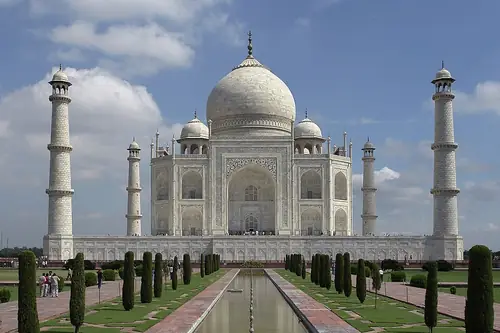
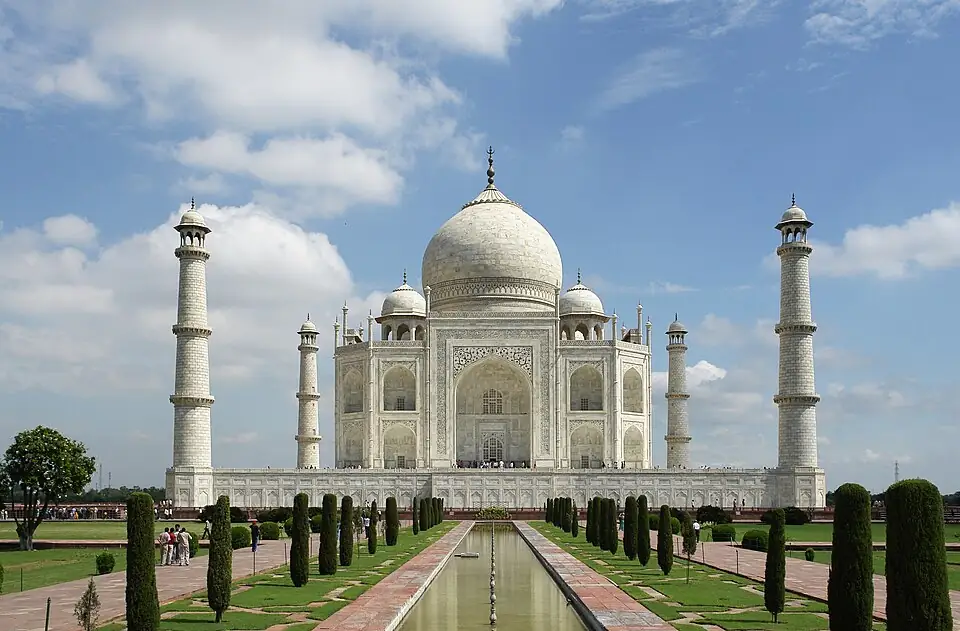
The Gatimaan Express is genuinely the fastest conventional train on the Delhi-Agra corridor, and at under two hours it makes the Taj Mahal an easy day trip from a Delhi base: just remember the Taj Mahal is closed to sightseeing every Friday, reserved for prayers at the mosque inside the complex, so plan your Agra day for any other day of the week. Foreigner entry to the Taj runs around ₹1,300, plus around ₹200 to enter the main mausoleum chamber.
For Jaipur, the same Shatabdi-class service that most travelers book also continues on to Ajmer, so the timetable you’ll see reflects the full route rather than a Delhi-Jaipur-only figure: confirm your specific segment’s time and fare directly on IRCTC before you book. Newer Vande Bharat semi-high-speed services also run out of Delhi on some corridors; check IRCTC for current routes and timings, since the network is still expanding.
Domestic Flights: When a Train Isn’t the Answer
India is vast, and for the longer hops a train stops being the sensible option. Routes like Delhi to Mumbai, Delhi to Kerala, or Delhi to Goa cover distances a train would take the better part of a day or an overnight to cross: domestic flights on IndiGo and Air India (India’s two largest domestic carriers) cover the same distance in two to three hours, and fares are frequently competitive with a comparable AC-class train ticket once you book a few weeks ahead. As a rule of thumb: if the road distance is under around 300-400 km and falls on a route with a fast train like the Gatimaan or a Shatabdi service, take the train. It’s usually just as quick door-to-door once you count airport transfer and security time, and it’s a better view. Beyond that, book the flight.
Autos, Uber and Ola: Getting Around Inside the City
Once you’re off the train or plane, the short hops inside any Indian city come down to three options:
- Auto-rickshaws are everywhere and are the classic short-distance option. Ask the driver to use the meter, or agree the fare before you get in: both are completely normal, and a little polite negotiation is expected.
- Uber and Ola both operate widely in Delhi, Mumbai, Jaipur and most major cities, and show the fare upfront in the app before you book, which many first-time visitors find more predictable than a street-hailed auto.
- Prepaid taxi booths, common at airports and major stations, fix the fare in advance: useful the moment you land, before you’ve got a feel for local pricing.
Delhi is the clearest example of how these layer together. A prepaid taxi or Uber/Ola from Indira Gandhi International Airport into central Delhi runs around ₹800-900 (roughly $9-10), while the Airport Express Metro (Orange Line) covers Terminal 3 to New Delhi Railway Station in about 20 minutes for around ₹70: the cheapest and often fastest way in, unless you’re carrying heavy luggage or arriving very late at night. Once you’re in the city, the regular Delhi Metro network runs single fares from around ₹11 to ₹64 depending on distance, and the DMRC Tourist Smart Card gives unlimited travel on that regular network for around ₹200 for one day or around ₹500 for three days (each price includes a refundable ₹50 deposit), though note it does not cover the separate Airport Express line, so budget that fare on top.
Frequently Asked Questions
How do foreign tourists book IRCTC trains in India?
Foreign passport holders can use the IRCTC Foreign Tourist Quota, a reserved allocation on 1A, 2A and Executive Chair Car classes that opens bookings up to 365 days ahead of travel. You need only a passport number and an international payment card: no separate agent or in-person visit required. There is no dedicated foreigner Tatkal quota, so a last-minute booking means competing in the general Tatkal rush, which opens at 10am (AC classes) or 11am (non-AC) the day before departure.
What is the fastest way from Delhi to Agra?
The Gatimaan Express (trains 12049/12050) is India’s fastest conventional train on this route, covering the 188 km from Hazrat Nizamuddin to Agra Cantt in around 100 minutes, with fares from around ₹750 in Chair Car up to around ₹1,495 in Executive Class. It beats driving and most flights once you count check-in and transfer time, and it drops you close to the Taj Mahal, which is closed to visitors every Friday.
Should I take a train or a domestic flight in India?
For the Delhi-Agra-Jaipur Golden Triangle, trains like the Gatimaan Express and the Shatabdi services are usually faster door to door and more scenic than flying. For longer hops such as Delhi to Mumbai or Delhi to Kerala, a domestic flight on IndiGo or Air India is almost always quicker than a multi-hour or overnight train, and fares are often comparable once you book a few weeks ahead.
Are autos, Uber and Ola safe and easy to use in Indian cities?
Yes. Auto-rickshaws are the classic short-hop option in every Indian city, and it is normal to agree the fare before you get in or ask the driver to use the meter. Uber and Ola operate widely in Delhi, Mumbai, Jaipur and most major cities, and both apps show the fare upfront and let you track the route, which many travelers find more predictable than street-hailing an auto.
How much does the Delhi Metro cost, and is there a tourist pass?
Regular single-journey Delhi Metro fares range from around ₹11 to ₹64 depending on distance. The DMRC Tourist Smart Card offers unlimited travel on the regular network for around ₹200 for one day or around ₹500 for three days (each price includes a refundable ₹50 deposit), though it does not cover the separate Airport Express line, which costs around ₹70 for a single 20-minute ride from Terminal 3 to New Delhi station.
Plan Your India Transport Now
Book your Golden Triangle trains as early as you can: the Foreign Tourist Quota’s 365-day window is the easiest lever a foreign visitor has, and it beats racing the general Tatkal rush later. Use the Gatimaan and Shatabdi services for Delhi-Agra-Jaipur, switch to an IndiGo or Air India flight once the distances get serious, and let autos, Uber or Ola handle everything short inside the city.
Find flights into Delhi | Compare Delhi hotels
Keep planning with the India travel guide, the India daily budget breakdown, the Delhi guide for where to stay near the stations, the Jaipur, Mumbai, Goa and Kerala city guides, a travel eSIM for checking live train and flight status on the move, flights to compare fares, and hotels near every stop on your route.