Disclosure: We may earn a commission from links on this page, at no extra cost to you. How we earn
This article contains affiliate links. If you make a booking through these links, we may earn a commission at no extra cost to you. About & Affiliate Disclosure
Quick Answer
- Shoes off at temples, mosques, gurdwaras and most homes. Look for the shoe rack at the entrance.
- Cover shoulders and knees at religious sites; carry a light scarf for sites that won’t let you in otherwise.
- Right hand only for eating, giving/receiving money or items, and greetings: the left is considered unclean.
- The head-wobble usually means yes/okay, not “no”. Read it in context, not as a literal head-shake.
- Bargain politely at markets and with unmetered transport; start lower than you’ll settle, stay friendly.
- Taj Mahal is closed every Friday: foreigner entry runs around ₹1,300 (+around ₹200 for the mausoleum chamber).
- Drink only sealed bottled water and favor hot, freshly cooked food from busy stalls.
- No-alcohol angle: India’s evening social scene here runs on chai, street-food stalls, bazaars and forts: not bars.
Shoes Off: The Etiquette Rule With No Sign
Almost none of India’s etiquette is written on a sign. It’s read off the person in front of you: at a temple courtyard entrance, visitors who keep lacing up their own shoes while everyone else slips theirs off at the threshold stand out immediately, next to a shoe rack already crowded with a dozen pairs.
Get a handful of these habits down before you land and you spend your trip moving through temples, markets and dinners like you’ve done this before, instead of catching up a beat behind everyone else.
Shoes, Temples and Homes: The Rule Nobody Explains
Removing your shoes is the single most consistent piece of India etiquette, and it applies more widely than most first-timers expect.
Dress Code: Shoulders, Knees and a Scarf That Earns Its Keep
Modest dress isn’t a legal requirement outside a handful of specific sites, but it’s the etiquette norm that gets visitors turned away or stared at when ignored.
- Cover shoulders and knees at religious sites: temples, mosques and gurdwaras in particular; some enforce this strictly at the door, others just expect it as common courtesy.
- A light scarf or shawl solves this on short notice: drape it over bare shoulders or wrap it as a makeshift skirt over shorts, since many sites don’t rent or sell coverings and turning up unprepared can mean being turned away.
- Outside religious sites, dress is more relaxed in big cities and tourist areas, but modest clothing still draws less unwanted attention in markets, on public transport and in smaller towns.
- Loose, breathable layers work better than tight or very short clothing anyway once you’re contending with north India’s heat outside the October–March cool season.
The Right-Hand Rule: Eating, Money and Greetings
This is the etiquette rule most likely to catch a first-time visitor off guard, because it’s rarely spelled out anywhere obvious.
- Use your right hand for eating: even where cutlery is offered, many meals (thalis, street food, roti) are eaten by hand, and the right hand is the one to use.
- Give and receive money, cards or small items with your right hand: handing over a note with your left hand at a shop or temple donation box reads as careless rather than deliberate, but it’s noticed.
- Greetings follow the same logic, a handshake or the traditional palms-together “namaste” both use the right hand (or both hands for namaste), not the left alone.
- Left-handed travelers aren’t expected to relearn everything overnight: making a visible effort with food and money is what actually matters, not perfect consistency in every gesture.
The Head-Wobble: Reading It Right
The side-to-side head tilt common across India is the etiquette detail every visitor asks about after their first day, because it looks exactly like “no” and usually isn’t.
- The wobble commonly signals agreement, acknowledgment or “okay” rather than refusal. Ask a shopkeeper if a size is in stock and a wobble typically means yes, not no.
- Context does the interpreting, not the gesture alone: pair it with tone of voice and what’s actually happening (a shopkeeper handing you the item while wobbling is confirming, not declining).
- Don’t overthink mimicking it. You don’t need to adopt the gesture yourself; understanding it when you see it is what prevents confusion at counters, ticket windows and markets.
Bargaining: Firm, Friendly, Never a Fight
Polite bargaining is a normal, expected part of shopping in India’s markets and bazaars: treating it as rude or awkward is itself a small etiquette miss.
| Situation | What’s normal |
|---|---|
| Souvenir stalls, bazaars, street markets | Bargaining expected, start noticeably lower than you’ll settle |
| Fixed-price shops, malls, government emporiums | Marked prices, no bargaining |
| Unmetered autos/taxis | Agree the fare before getting in, or bargain it down first |
| Metered/app-based rides (prepaid taxi, Uber, Ola) | Fixed or metered fare, no bargaining needed |
| Hotels, restaurants | Menu/rate-card prices, not up for negotiation |
Keep it friendly rather than aggressive, a smile and a counter-offer go further than a hard stance, and walking away (calmly) is often what gets you the better price, not raising your voice.
Women Travelers: Practical, Not Alarmist
The same common-sense precautions that apply across unfamiliar destinations anywhere hold here: dress modestly, avoid isolated areas or transport late at night, prefer registered prepaid taxis or ride-hailing apps (Uber, Ola) over unmarked cabs, and stay alert in crowds and at transit hubs. None of this is unique to India or a reason to avoid it. It’s the standard playbook for traveling anywhere new, applied sensibly rather than fearfully.
Food and Water Safety: The Mistake That Actually Ruins a Trip
More trips get derailed by “Delhi belly” than by any social faux pas, and the fix is simple etiquette toward your own stomach.
- Don’t drink tap water. Stick to sealed bottled water, or water that’s been filtered, boiled or treated; many hotels and trains now offer filtered refill stations.
- Favor freshly cooked, hot food from busy stalls with high turnover over anything that’s been sitting out, a queue is usually a good sign, not a bad one.
- Be cautious with raw salads and cut fruit in budget settings, since they’re often washed in tap water: cooked vegetables and freshly peeled fruit are the safer default.
- A simple thali or street-food meal runs around $1-2.50 (₹80-200) at a local dhaba, rising to around $6-9 for a sit-down regional thali (Rajasthani, Kerala-style) at a nicer restaurant: the pricier option isn’t automatically the safer one, turnover matters more than décor.
Evenings, the Alcohol-Free Way
India’s real evening social scene runs on chai, not bars, and it holds up completely on its own.
- Roadside chai and masala-chai stalls are where actual conversation and people-watching happen, at any hour, for a handful of rupees a cup.
- Bazaars after dark (Delhi’s Chandni Chowk, Jaipur’s Johari Bazaar) come alive with food stalls, spice and textile sellers, and the kind of browsing that beats a fixed itinerary stop.
- Forts and monuments lit for the evening (many run light shows or extended evening hours) turn a daytime sightseeing stop into a genuinely different experience after sunset.
- Gardens and riverside promenades offer the same unwinding function a bar crawl would elsewhere: walkable, free, and full of families and groups doing exactly the same thing.
The Taj Mahal Friday Rule (and Other Timing Mistakes)
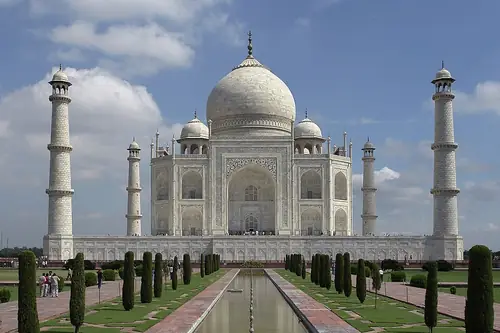
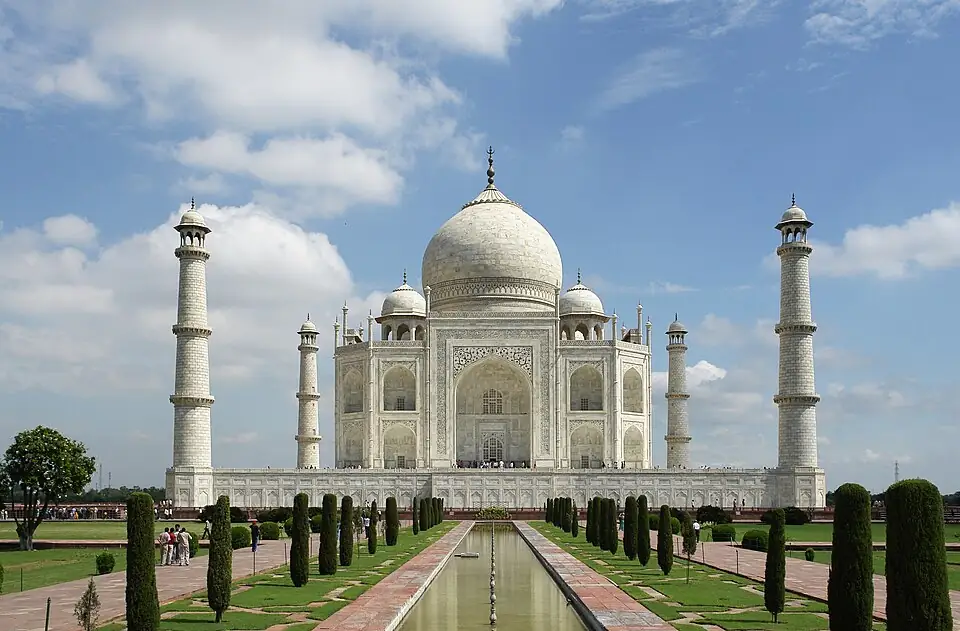
One etiquette-adjacent mistake costs visitors an entire day trip if they don’t check ahead: the Taj Mahal is closed to sightseeing every Friday, reserved for prayers at the mosque inside the complex. Foreigner entry runs around ₹1,300, plus around ₹200 more to enter the main mausoleum chamber itself; children under 15 enter free. Build the Agra leg of a Golden Triangle trip around any day except Friday, and double-check opening hours for Agra Fort and other monuments before you commit a whole day to them, schedules shift by season.
Mistakes Tourists Make Most
| Mistake | Do this instead |
|---|---|
| Keeping shoes on at a temple or home | Watch for the shoe rack, remove shoes before the threshold |
| Bare shoulders/knees at a religious site | Carry a scarf or shawl for quick coverage |
| Eating or handing over money with the left hand | Use the right hand for food, cash and greetings |
| Reading the head-wobble as “no” | Read it as agreement/acknowledgment in context |
| Refusing to bargain, or bargaining aggressively | Counter-offer politely at markets; skip it at fixed-price shops |
| Drinking tap water | Stick to sealed bottled or filtered/boiled water |
| Booking an Agra day trip on a Friday | Check the Taj Mahal’s Friday closure before booking |
| Assuming visa-on-arrival is available | Apply for the e-Tourist Visa online in advance, see below |
Visa Reminder: No Visa-on-Arrival for Most Western Passports
Since this trips up more travelers than any social custom: India runs an online-only e-Tourist Visa for US, UK, EU, Canadian, Australian and most other eligible passport holders: apply through the official government portal at indianvisaonline.gov.in, not through an embassy visit or a walk-up arrival. There’s no visa-on-arrival for these nationalities. The 30-day multiple-entry option runs around $25 (around $10 during an April-June promotional window), a 1-year multiple-entry visa around $40, and a 5-year multiple-entry visa around $80: plus a roughly 2.5% bank transaction charge on top. Apply between 4 and 120 days before arrival, and get it approved before you fly; there’s no fallback at the airport if it isn’t.
Getting Around Without the Mistakes
Good etiquette extends to how you move through Indian cities, too: arriving prepared beats winging it at the airport counter. Delhi’s Airport Express (Orange Line) covers IGI Airport to New Delhi Railway Station in around 20 minutes for about ₹70 a token; a prepaid taxi or Uber/Ola into central Delhi runs around ₹800-900 (~$9-10). Regular Delhi Metro fares run ₹11 to ₹64 depending on distance, and a Tourist Smart Card (around ₹200 for one day, around ₹500 for three days, both including a refundable deposit) covers unlimited travel on the regular network, though not the Airport Express line. For the Golden Triangle, our full India getting-around guide covers the Gatimaan Express to Agra and IRCTC booking through the Foreign Tourist Quota.
Staying connected matters here more than most places: for translating menus, reading transit signage and confirming a fair auto fare on the spot. See our India eSIM guide for current data plans before you land.
Frequently Asked Questions
What are the most common etiquette mistakes tourists make in India?
The most common mistakes are keeping shoes on at temples or homes, showing up at a religious site with bare shoulders or knees, eating or handing over money with the left hand, mistaking the head-wobble for a “no”, and drinking tap water. None of these will get you thrown out, but avoiding them earns real warmth and avoids a genuinely unpleasant stomach bug.
Is it rude to eat with your left hand in India?
Yes, in practice: the right hand is used for eating, giving or receiving money and items, and greetings, because the left hand is traditionally considered unclean (associated with bathroom hygiene). Left-handed travelers aren’t expected to relearn everything, but making a visible effort to use the right hand for food and handing over cash is noticed and appreciated.
What does the Indian head-wobble mean?
The side-to-side head tilt common across India usually signals agreement, acknowledgment or “okay” rather than the “no” it looks like to first-time visitors. Context matters more than the gesture itself, a wobble after you ask a shopkeeper if something is available almost always means yes, not no.
Do I need to cover my shoulders and knees in India?
At temples, mosques, gurdwaras and most religious sites, yes: cover shoulders and knees, and expect to remove your shoes before entering. Carrying a light scarf or shawl solves this on short notice, since many sites don’t rent or sell coverings at the door and some turn away visitors in shorts or sleeveless tops.
Is the Taj Mahal open every day?
No. The Taj Mahal is closed to sightseeing every Friday, reserved for prayers at the mosque inside the complex. Plan an Agra day trip for any other day of the week; foreigner entry runs around ₹1,300, plus around ₹200 more to enter the main mausoleum chamber.
Is bargaining expected in India?
Yes, at markets, bazaars and with unmetered transport it’s normal and expected, especially for souvenirs and goods without a fixed price tag. Start noticeably lower than you’re willing to pay, stay friendly rather than aggressive, and treat it as a normal back-and-forth rather than a confrontation: fixed-price shops and malls don’t expect it.
Travel India Like You’ve Done This Before
Get the basics right: shoes off at the threshold, right hand for food and money, a scarf ready for temple doors, bottled water only, and a Friday kept free of the Taj, and the rest of India’s etiquette sorts itself out by watching the person next to you. None of it is about fear of a misstep; it’s what turns a checklist trip into the kind where a shopkeeper wobbles their head, waves you in, and you already know exactly what that means.
Find cheap flights to India | Compare Delhi hotels
Keep planning with our India itinerary, India budget guide, getting around India, India eSIM guide and best time to visit India. Heading to specific cities? See our guides to Delhi, Jaipur, Mumbai, Goa and Kerala. Compare more hotels, grab a data eSIM, or check travel insurance before you land.