Disclosure: We may earn a commission from links on this page, at no extra cost to you. How we earn
This article contains affiliate links. If you make a booking through these links, we may earn a commission at no extra cost to you. About & Affiliate Disclosure
Quick Answer
- Best overall: October to March, cool and dry for most of the country.
- Avoid the heat: April to June, when the north often tops 40 C.
- Monsoon: June to September (southwest); a lighter northeast monsoon hits Tamil Nadu Oct–Dec.
- Cheapest: monsoon and shoulder months (roughly Apr–May, Jul–Sep).
- Daily budget: 20 to 40 US dollars for backpackers, 55 to 100 for mid-range comfort.
The Best Time to Visit India, in One Sentence
Booking a May trip to India because the flights are cheap is the single most common first-timer mistake: temperatures in Jaipur regularly hit 43 C in the shade, the marble of the forts too hot to touch, every sane local indoors by noon. Getting the month wrong in this enormous, glorious country costs far more comfort than the flight savings are worth.
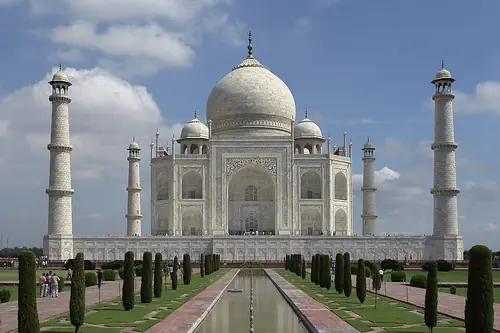
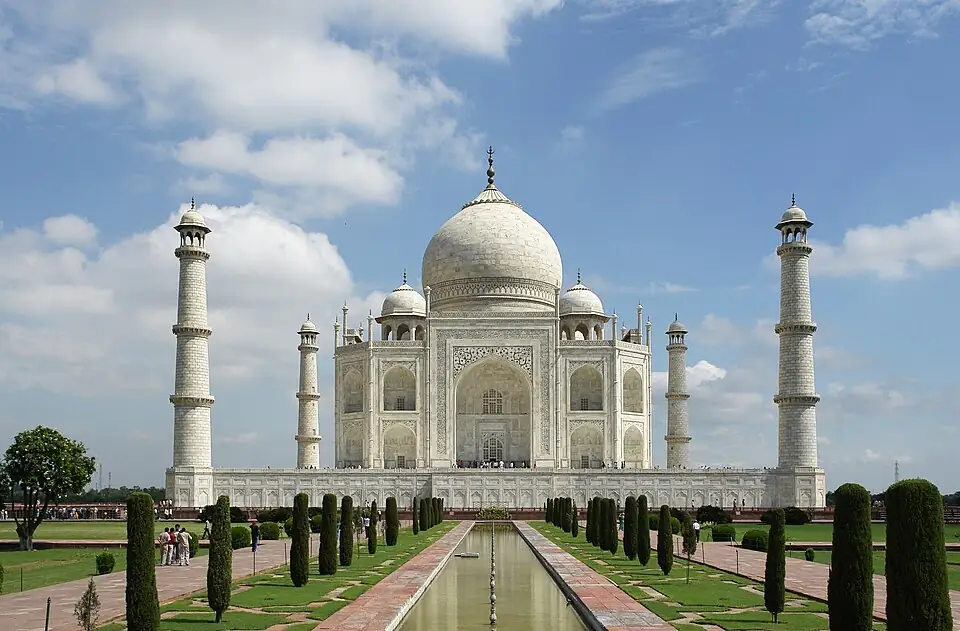
Here’s the short answer. The best time to visit India is the cool, dry winter from October to March, when Rajasthan’s deserts, Delhi’s monuments, Agra’s Taj Mahal, and the southern coasts are all at their most comfortable. Days are warm, nights are cool, and the skies are clear after the monsoon has washed the dust away. Avoid April to June, when much of the north bakes above 40 C, and the June to September monsoon, unless you’re specifically heading for the Himalayas or Ladakh.
Honestly? India is so vast that “best time” almost always means “best time for where you’re going.” The Himalayas peak in summer; Goa and Kerala shine in winter; the desert is unbearable in May. This guide breaks down the cost and weather of every month so you can match your trip to your wallet and your region.
What to pack for India
Four picks from our gear guides that suit this trip. Each card opens the live Amazon price; the links below lead to the full comparisons.
360-degree memory foam with asymmetrical sides, so you pick which side gets the most support instead of getting the same generic curve everywhere. It was the single most-purchased travel product among Travel + Leisure readers in 2025. The catch: even compressed to about 60% of its size in the included bag, it’s still bulkier than an inflatable.
Check price on Amazon Live price on AmazonThe cheapest way to find out whether you even like compression socks: three knee-high pairs in 15-20 mmHg, the range most often recommended for flying.
Check price on Amazon Live price on AmazonThe reliable all-rounder: one USB-C and four USB-A ports, plugs for 200+ countries, and a built-in fuse with a spare. The adapter most people should buy.
Check price on Amazon Live price on AmazonModel A1259, 10,000mAh, about 37Wh, 215 g. Two phone charges in a jacket pocket, and small enough that the two-bank limit never becomes a question.
Check price on Amazon Live price on AmazonBuild your India itinerary
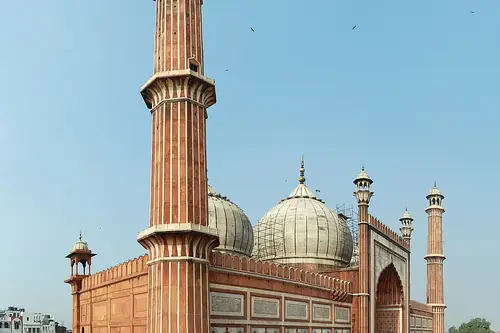
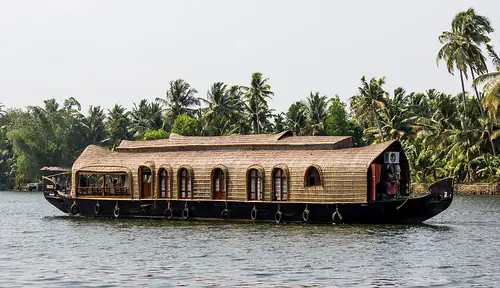
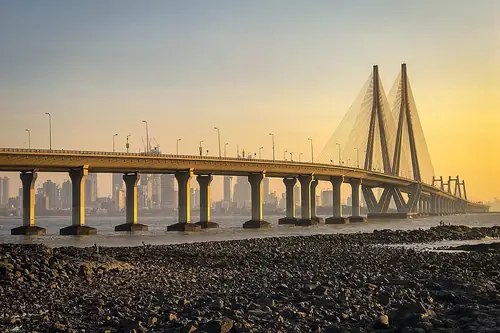
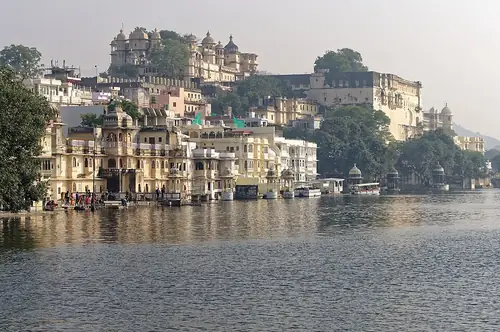
The mistake most first-timers make is trying to swallow India whole. Don’t. The country is vast, and the distances between its highlights are enormous, so a sane first trip almost always anchors on the Golden Triangle (Delhi, Agra, and Jaipur), and then adds one more region rather than five. The classic add-ons are Kerala’s backwaters in the deep south, Goa’s beaches, or the sheer energy of Mumbai. Cheap domestic flights and the legendary rail network cover the long hops, and October to March is the prime season nationwide, so almost any of these pairings works in the same trip.
Start with the Golden Triangle as your base, then pick one neighbour by what you’re after: sand, slow water, or big-city buzz.
| City | Best months | How long to stay | Pairs well with |
|---|---|---|---|
| Delhi | Oct–Mar | 2–3 days | The Golden Triangle anchor (with Agra & Jaipur) |
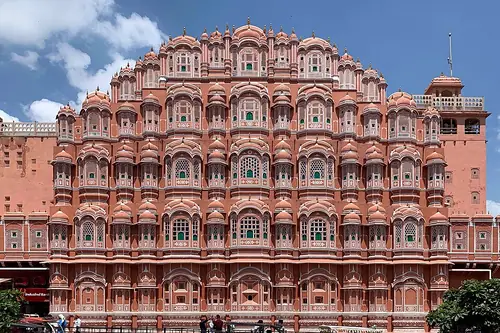
| Jaipur | Oct–Mar | 2 days | Delhi & Agra (the Golden Triangle) |
| Mumbai | Nov–Feb | 2–3 days | Goa (short flight down the coast) |
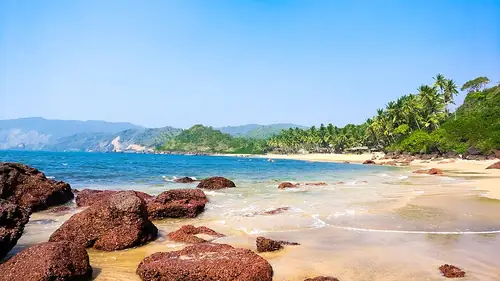
| Goa | Nov–Feb | 4–5 days | Mumbai, for beaches after the city |
| Kerala | Sep–Mar | 5–7 days | Its own southern trip (backwaters & tea hills) |
A few honest notes: Delhi, Agra, and Jaipur sit close together in the north and form the natural first-timer’s loop, all comfortable from October to March. Mumbai and Goa pair neatly on the west coast, a short hop apart. Kerala, down in the far south, is really its own loop: the backwaters, beaches, and tea hills deserve a week, and it stays pleasant from September into March, slightly ahead of the north.
Two routes that actually work:
- Golden Triangle + south, 2 weeks: Delhi 3 (Old Delhi, the monuments, easing into the chaos) → Agra as a day trip (the Taj at sunrise) → Jaipur 2 (Amber Fort, the Pink City bazaars) → fly south to Kerala 6 (Kochi, a backwater houseboat, the Munnar tea hills). The far south is a separate world from the north, so flying bridges the distance and saves days.
- Beaches + city, 10 days: Mumbai 3 (the Gateway of India, Bollywood, the street-food trail) → fly down to Goa 5 (beaches, Portuguese churches, backwater cruises). A 90-minute flight beats the long coastal train when time is tight.
Domestic flights on IndiGo, Air India, and Akasa are cheap and tie the country together, while sleeper trains are a cheap, scenic option for shorter hops if you book early on IRCTC. Just remember the far south (Kerala) is its own loop rather than a quick add-on to the north. Use the city guides below to go deeper on whichever stops make your shortlist.
Top Cities to Explore
India’s Seasons and What They Cost
India runs on three broad seasons (winter, summer, and monsoon), but the country is so big that the same month feels utterly different in Ladakh, Delhi, and Kerala. Prices follow the comfort: when the weather is kind, the crowds and rates climb. Get the timing right and India is astonishingly cheap; get it wrong and you’ll be paying to suffer.
Winter (October to March): The Peak
This is the season everyone wants, and for good reason. The monsoon has cleared, the air is dry, and most of the country settles into warm 20-something days and cool nights. Rajasthan’s desert cities are perfect, the Taj Mahal glows in soft winter light, Goa’s beaches fill up, and Kerala’s backwaters are at their best. The catch is price: this is high season, so flights, hotels, and palace stays hit their annual peak, especially around Christmas, New Year, and the Diwali period.
Summer (April to June): Hot and Cheap
From April the heat builds relentlessly across the plains, and by May and June much of the north (Delhi, Rajasthan, Agra) regularly tops 40 C. It’s punishing for sightseeing, which is exactly why prices fall. But this is the one season the high Himalayas come alive: Ladakh, Spiti, and the hill stations of Himachal and Sikkim are at their accessible best while the lowlands swelter.
Monsoon (June to September): Green, Wet, and Bargain-Priced
The southwest monsoon sweeps in from the southwest around June, reaching Kerala first and rolling north over the following weeks. It floods streets, delays trains, and closes many safari parks, but it also turns the country impossibly green and drops prices to their lowest. The Western Ghats and Kerala are spectacular in the rain, and Ladakh (sitting in the monsoon’s rain shadow) stays dry and open. A separate, lighter northeast monsoon brings rain to Tamil Nadu and the southeast coast from about October to December.
Month-by-Month Guide to Visiting India
Use this as your at-a-glance planner before the detailed notes below.
| Month | Weather (north) | Crowds | Prices | Best for |
|---|---|---|---|---|
| January | Cool, dry, foggy mornings | High | High | Rajasthan, Taj Mahal, Goa, festivals |
| February | Pleasant, dry | High | High | All-round sightseeing, Goa, deserts |
| March | Warming, dry, Holi | Moderate | Mid-high | Holi festival, wildlife parks, last cool weeks |
| April | Hot, building | Low | Mid | Himalayas opening, value before heat |
| May | Very hot (40 C+) | Low | Low | Ladakh, hill stations, cheapest plains |
| June | Hot then monsoon | Low | Low | Ladakh, Himalayas, pre-monsoon deals |
| July | Monsoon, humid | Low | Low | Kerala, Western Ghats, Ladakh |
| August | Monsoon | Low | Low | Green landscapes, Ladakh, lowest prices |
| September | Monsoon easing | Low-moderate | Low-mid | Shoulder value, late Himalaya treks |
| October | Drying, clear, Diwali | Rising | Rising | Festivals, post-monsoon clarity |
| A few notes the table can’t hold: in the north, Delhi’s average highs run from a comfortable 21 C in January to a furnace-like 40 C in May before the monsoon brings them back to the low 30s. The festival dates to plan around are Holi (early March) and Diwali (October or November), both joyous but busy, plus the Christmas and New Year peak. Through the southwest monsoon (June to September) the plains turn green and prices bottom out, while Ladakh, sitting in the rain shadow, stays dry and open, the rare summer escape while the lowlands swelter. |
Find Cheap Flights to India
Delhi (DEL) and Mumbai (BOM) are the main long-haul gateways, with Bengaluru (BLR), Chennai (MAA), and Hyderabad (HYD) handy for the south. From Europe, the cheapest routes usually connect through the Gulf (Doha, Dubai, Abu Dhabi), or via Istanbul; from Asia and the Gulf, low-cost carriers flood the market. Domestic flights on IndiGo, Air India, and Akasa are cheap and tie the huge country together.
Use the live calendar below to spot the cheapest departure dates at a glance, then compare across months.
Tips for cheaper flights:
- Book 2 to 4 months ahead for long-haul in the winter high season; Diwali and Christmas fares spike.
- Fly into the cheapest gateway. Sometimes Mumbai or a Gulf-connecting route to a southern city beats Delhi.
- Travel in the shoulder or monsoon months. April, May, and July to September are routinely the cheapest.
- Connect through the Gulf. Qatar, Emirates, and Etihad often undercut European one-stop fares.
- Use cheap domestic flights to cover India’s vast distances instead of multi-day trains when time is tight.
For more route ideas and fare hacks, browse our full flights hub.
When Prices Are Lowest: Best Time for Budget Travelers
Target these windows for the cheapest trips:
July to September (the monsoon) brings the lowest flight and hotel prices of the year. If you head somewhere the rain suits (green, dramatic Kerala, the Western Ghats, or dry Ladakh in the monsoon’s rain shadow) you’ll have a spectacular, near-empty trip for a fraction of the winter cost.
April and May are cheap on the plains because of the heat, but they’re the prime season for the Himalayas. Base a budget trip around Ladakh, Manali, or Sikkim and you sidestep both the heat and the high-season prices.
Late September is a quiet sweet spot, as the monsoon clears but the winter crowds haven’t yet arrived, so you get fresh, green landscapes at shoulder-season rates.
Steer clear of the Diwali period, Christmas, and New Year for the lowest rates, when both fares and hotels surge.
Regional Differences: North vs South vs the Himalayas
India spans deserts, tropics, and the world’s highest mountains, so the right month depends entirely on the region.
| Region | Best months | Notes |
|---|---|---|
| North & Rajasthan (Delhi, Jaipur, Agra) | Oct to Mar | Cool, dry; brutal heat Apr–Jun |
| Goa & west coast | Nov to Feb | Dry beach season; monsoon shuts it down Jun–Sep |
| Kerala & the south | Nov to Feb (dry); Jun–Sep (lush, cheap) | Northeast monsoon hits SE coast Oct–Dec |
| Himalayas & Ladakh | Jun to Sep | Summer access while the plains swelter or flood |
The headline: in the European winter, head for the classic north and the southern beaches; in the European summer, the only comfortable choice is the high Himalayas. Never plan Rajasthan or the Taj Mahal for May unless you genuinely love extreme heat.
Where to Stay in India
Where you sleep shapes both your budget and your experience, and India runs the full range from backpacker hostels to maharaja-era palace hotels. Most northern trips orbit the Golden Triangle of Delhi, Agra, and Jaipur.
| Area | Vibe | Budget room | Best for |
|---|---|---|---|
| Delhi | Chaotic capital, transit hub | 15 to 40 US dollars/night | Arrivals, monuments, Golden Triangle base |
| Jaipur (Rajasthan) | Pink city, forts, palaces | 18 to 50 US dollars/night | History, shopping, desert gateway |
| Agra | Taj Mahal, day-trip town | 15 to 40 US dollars/night | The Taj at sunrise, en route Delhi–Jaipur |
| Goa | Beaches, nightlife, relaxed | 15 to 50 US dollars/night | Winter sun, beach time, party or quiet |
| Kerala (Kochi/backwaters) | Tropical, calm, green | 18 to 55 US dollars/night | Backwaters, slow travel, the south |
Delhi is the high-energy gateway and Golden Triangle base; Jaipur and Rajasthan deliver the forts and palaces; Agra is the Taj Mahal stopover; and Goa and Kerala anchor the relaxed, tropical south. Compare current rates anytime on our hotels hub.
Daily Budget for India
| Category | Budget (US dollars) | Mid-Range (US dollars) | Comfort (US dollars) |
|---|---|---|---|
| Accommodation | 8 to 18 | 25 to 55 | 80 to 200 |
| Food (3 meals) | 5 to 10 | 12 to 25 | 35 to 70 |
| Transport | 3 to 7 | 10 to 20 | 35 to 80 |
| Activities | 4 to 10 | 12 to 30 | 40 to 100 |
| Daily Total | 20 to 40 | 55 to 100 | 190 to 450 |
A few notes that keep costs honest: a thali or plate of street food runs 80 to 250 rupees and is genuinely excellent, chai costs pennies, and bottled or filtered water is a small daily expense worth budgeting. Sleeper and AC-class trains are cheap but book out far ahead, so reserve early or use the cheap domestic flights. Many temples and bazaars are free; the Taj Mahal and big monuments carry a foreigner ticket price worth checking in advance.
Stay Connected and Safe: eSIM and VPN
Skip the paperwork of a local SIM, which can take a day to activate for tourists. A travel eSIM gives you fast data the moment you land at DEL or BOM, which matters when you’re booking a train, haggling a rickshaw fare, or navigating Old Delhi’s lanes. India has cheap, fast, near-universal 4G/5G, even in many small towns.
- Activate before you fly: data works on arrival
- Plans for 200+ countries from a few dollars
- Keep your number; no physical SIM swap
Hotels, cafes, and stations offer plenty of open Wi-Fi, and a VPN keeps your banking and logins private on those public networks while letting you reach your usual streaming and home services. Set it up before you fly.
- Up to 10 devices on one account
- Obfuscated servers for networks that block VPNs
- 30-day money-back guarantee
For the full rundown, see our guides to the best travel eSIM and VPN.
Tours & Activities: India
Skip the ticket queues and pre-book the best local tours, day trips and skip-the-line attractions.
Frequently Asked Questions
What is the best time to visit India?
For most of the country, October to March is ideal: cool, dry, and comfortable for sightseeing across Rajasthan, Delhi, Agra, and the south. Avoid the April–June heat and the June–September monsoon unless you’re heading to the Himalayas or Ladakh.
What is the cheapest time to visit India?
The monsoon and shoulder months (roughly July to September, plus April and May) are the cheapest, with flights and hotels well below the winter peak. You trade heat or rain for low crowds and prices.
When is the monsoon in India?
The main southwest monsoon sweeps the country from June to September, arriving in Kerala first and moving north. A second, lighter northeast monsoon brings rain to the southeast coast (Tamil Nadu) from about October to December.
When is the best time to visit Rajasthan?
October to March, when the desert cities of Jaipur, Jodhpur, and Jaisalmer cool to comfortable days and crisp nights. Summer (April–June) is brutally hot, often above 40 C.
How much does a trip to India cost per day?
Budget travelers manage on 20 to 40 US dollars a day; mid-range comfort runs about 55 to 100. See the cost table above for the full breakdown.
Do I need a visa for India in 2026?
Most visitors need an e-Visa, applied for online before arrival. Check the official Indian e-Visa portal for current categories, validity, and fees, which vary by nationality.
Start Planning Your India Trip
The best time to visit India comes down to where you’re going. October to March is the golden window for most of the country (cool, dry, and perfect from Rajasthan’s forts to Kerala’s backwaters) while the monsoon and summer months trade heat or rain for the lowest prices of the year, and send savvy travelers up to dry, open Ladakh. May in Jaipur means melting heat; book the cool season for the plains and save the mountains for summer, and this overwhelming, unforgettable country opens up at almost any budget.
Compare prices now and lock in your dates: