Quick Answer
- Best time to visit Seminyak: the dry season, April to October: sunny days, low humidity, reliable sunsets; July–August are the busiest.
- Where to stay: central Seminyak near Jalan Kayu Aya for walkability; Petitenget for a calmer, upscale base; toward Kerobokan for cheaper villas.
- From DPS airport: about 30 minutes (traffic-dependent). Book a Gojek/Grab ride or a hotel transfer.
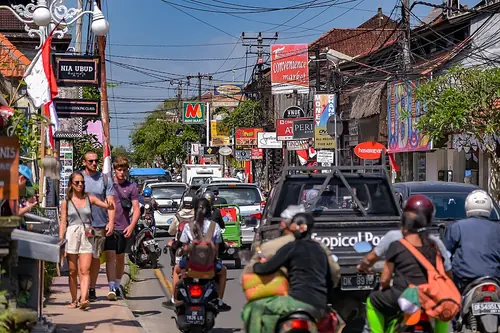
- Getting around: the beach strip is walkable; use ride-apps over street taxis; rent a scooter only for Canggu and further afield.
- Eat smart: the warungs one street back from the beach serve the same dishes for a fraction of beachfront prices.
Seminyak, Without the Tourist Markup
A two-minute walk from a quiet beach and a cheap bowl of noodles is the expectation most first-timers bring to Seminyak. The beach part is true. The cheap noodles aren’t: not on the beachfront, where the same plate costs three times what it should. The fix is one line of local knowledge: walk one street back. That’s where the island actually eats.
So here’s the short version this Seminyak travel guide is built around: come in the dry season (April to October), base yourself in central Seminyak near Jalan Kayu Aya so you can walk to the beach and the shops, use the Gojek or Grab apps instead of flagging street taxis, and eat at the warungs a street back from the sand. Do those four things and Seminyak stops feeling like a pricey resort strip and starts feeling like the easy, walkable, sunset-soaked corner of Bali it actually is.
You don’t need a packed itinerary here. You need the right season, the right base, and the small local knowledge that keeps you from overpaying for the same view everyone else gets for free. The detail most first-timers get wrong is the very first ride, the one from the airport.
What to pack for Seminyak
Four picks from our gear guides that suit this trip. Each card opens the live Amazon price; the links below lead to the full comparisons.
360-degree memory foam with asymmetrical sides, so you pick which side gets the most support instead of getting the same generic curve everywhere. It was the single most-purchased travel product among Travel + Leisure readers in 2025. The catch: even compressed to about 60% of its size in the included bag, it’s still bulkier than an inflatable.
Check price on Amazon Live price on Amazon61 x 122 cm, listed at 120 g in navy, snap loop and a ventilated carry bag. Rainleaf says it absorbs five times its own weight, and it comes in six sizes. The one most travelers should buy first.
Check price on Amazon Live price on AmazonThe reliable all-rounder: one USB-C and four USB-A ports, plugs for 200+ countries, and a built-in fuse with a spare. The adapter most people should buy.
Check price on Amazon Live price on AmazonModel A1259, 10,000mAh, about 37Wh, 215 g. Two phone charges in a jacket pocket, and small enough that the two-bank limit never becomes a question.
Check price on Amazon Live price on AmazonGetting Around Seminyak
Here’s where first-timers lose money before they’ve felt the sand: the ride in from the airport, and the street taxi that quotes triple. Both are easy to avoid.
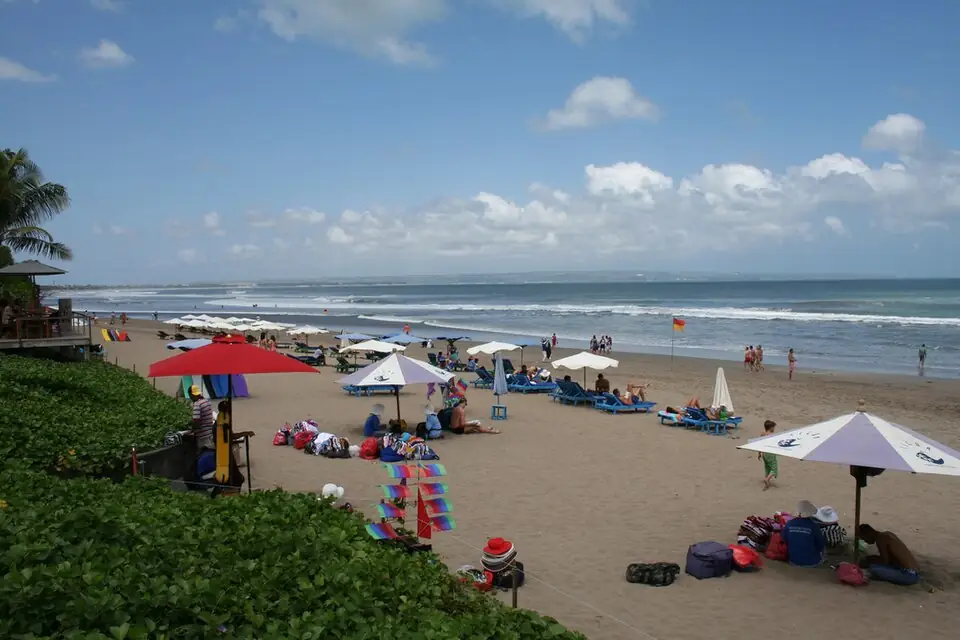
And honestly? The sunset is the free headline act here. Walk down to Seminyak or Petitenget beach in the late afternoon, find a spot on the sand, and watch the sky do its thing: no ticket, no booking, no markup.
Where to eat well without overpaying follows the same instinct. Go where the locals queue, not where the menu has photos:
- Warung lunch. A plate of nasi goreng or mie goreng at a warung a street back runs a fraction of beachfront prices. Bring small cash, as many don’t take cards.
- Gado-gado and sate. Local stalls and warungs do gado-gado (vegetable salad with peanut sauce) and chicken sate that beat the tourist-strip versions on both price and flavour.
- Morning market and café culture. Seminyak’s cafés do strong Indonesian coffee and fresh juices; a good breakfast spot a block inland costs far less than the same thing facing the sand.
- Fresh fruit and coconuts. Roadside vendors sell whole young coconuts and cut tropical fruit for pocket change: the cheapest, most refreshing snack on a hot afternoon.
What Not to Miss
You can’t fill a Seminyak trip with a checklist, and you don’t need to. Aim for a handful of things done slowly and well.
- Seminyak and Petitenget beach sunsets. The headline experience, and free. Petitenget tends to be the calmer, less crowded stretch; both deliver the big Indian Ocean sunset.
- Tanah Lot temple at sunset. This iconic sea temple sits on a rock just up the coast and is unforgettable in the late-afternoon light. Go for the golden hour and the silhouette.
- Boutique shopping on Jalan Kayu Aya. Seminyak’s signature street is lined with independent boutiques, homeware and design shops: the best browsing in this part of Bali.
- A day trip to Uluwatu temple. Perched on dramatic clifftops to the south, Uluwatu pairs a stunning temple with ocean views; pair it with the Kecak fire dance performance at dusk.
- A spa afternoon. Bali’s spas are a genuine bargain by Western standards, a long massage or treatment is one of the easiest ways to spend a slow, rainy, or simply lazy afternoon here.
The quiet wins are the cheap ones: a barefoot walk along the sand at dusk, a fresh-juice breakfast in a leafy café, a long spa session while it rains.
Best Time to Visit Seminyak
Seminyak runs on two seasons, not four, and the one you pick changes the weather, the crowds and the bill more than anything else. The short answer: the dry season wins, and the shoulder months win biggest. Here’s how it actually compares.
| Season | Weather | Crowds | Prices | Best for |
|---|---|---|---|---|
| Dry, peak (Jul–Aug) | Sunny, ~28–31°C, low humidity | Heaviest | Peak | Guaranteed sunshine and sunsets, but book early |
| Dry, shoulder (Apr–Jun, Sep–Oct) | Sunny, warm, comfortable | Moderate | Good value | The all-round sweet spot: dry skies, fewer people |
| Wet, early/late (Nov, Mar) | Warm, humid, passing showers | Lighter | Lower | Quieter beaches, mostly-dry days, soft rates |
| Wet, peak (Dec–Feb) | Hot, humid, heavy afternoon rain | Low (spikes at New Year) | Cheapest (except holidays) | Bargains and green landscapes if you don’t mind rain |
A couple of things worth knowing beyond the grid: the wet-season rain usually comes as short, heavy afternoon bursts rather than all-day grey, so mornings often stay usable. Rates spike hard around Christmas and New Year even in the wet season, and again around the Indonesian holidays: if price is your main lever, target the dry shoulder months and avoid the late-December peak.
Where to Stay in Seminyak
Seminyak is compact, so where you sleep matters less for distance and more for vibe and price. The closer you are to the beach and Jalan Kayu Aya, the more you walk and the more you pay; move inland or north and rates ease. Here’s how the main bases compare.
| Area | Vibe | Roughly | Best for |
|---|---|---|---|
| Central Seminyak (Jalan Kayu Aya / “Eat Street”) | Lively, walkable, restaurant-packed | Mid–high | First-timers who want to walk everywhere |
| Petitenget (just north) | Upscale, calmer, design-led | Higher | Couples, a quieter beach, boutique stays |
| Toward Kerobokan (inland/north) | Leafy, residential, villa country | Lower | Value villas, longer stays, a short ride in |
If it’s your first time, base in central Seminyak near Jalan Kayu Aya and walk to the beach, the boutiques and dinner. You’ll barely need a car. Petitenget is the calmer, more polished choice, with a quieter stretch of sand and easy sunsets, for a little more. And if you want space and value, the villas toward Kerobokan cost less and feel residential; you just trade a few minutes of ride-app time to reach the buzz. Compare live rates anytime on our hotels hub.
Frequently Asked Questions
What is the best time to visit Seminyak?
April to October is the dry season and the best window: sunny days, low humidity and reliable beach sunsets, with July and August the busiest and priciest. November to March is the wet season: warm but humid, with short heavy afternoon downpours and the cheapest rates. Shoulder months like April, May and September give you dry weather without the peak crowds.
Where should I stay in Seminyak for the first time?
Central Seminyak around Jalan Kayu Aya (Eat Street) keeps you walking distance from the beach, shops and restaurants, ideal for first-timers. Petitenget, just north, is quieter and more upscale with a calmer beach stretch. Head further toward Kerobokan for leafy, lower-priced villas if you don’t mind a short ride into the action.
How do I get from Denpasar airport to Seminyak?
Seminyak is about 30 minutes from Ngurah Rai (Denpasar, DPS) airport, though traffic can stretch that to an hour at busy times. The easiest options are a Gojek or Grab ride booked in the app, or a pre-arranged hotel transfer. The airport has its own official taxi counter; agree the method before you set off.
Is Seminyak walkable, and do I need a scooter?
The beach strip and the main Jalan Kayu Aya area are walkable, and for everything within Seminyak you can stroll or grab a quick ride-app car. A scooter only really pays off if you want to explore nearby Canggu, Petitenget’s back lanes or further afield: otherwise Gojek and Grab cover most short hops cheaply.
Is Seminyak better than Canggu?
It depends on the trip. Seminyak is more polished, walkable and central, with boutique shopping and easy beach sunsets: great for first-timers and shorter stays. Canggu is younger, more spread out and café-focused, better if you want to ride a scooter and stay a while. Many visitors base in Seminyak and day-trip to Canggu.
Where can I eat cheaply in Seminyak?
Step one street back from the beachfront. The warungs (small local eateries) a block inland serve Indonesian classics like nasi goreng, mie goreng and gado-gado for a fraction of the beachfront prices, and they’re where staff and locals actually eat. Bring small cash; many warungs don’t take cards.
Start Planning Your Seminyak Trip
Get the season and the base right and Seminyak is far kinder to your time and your wallet than the resort-strip reputation suggests. Overpaying on the beachfront is the default first-day mistake; walk one street back and book rides in the app instead, and the same trip costs less and feels twice as relaxed. Aim for the dry season, sleep near Jalan Kayu Aya, ride-app your way around, and take your sunsets on the sand.
Compare prices now and lock in your dates:
Find cheap flights to Bali (DPS) | Compare Seminyak hotel prices
Planning the wider trip? See our best time to visit Bali guide and browse more stays on the hotels hub.