Quick Answer
- Best time to visit Canggu: April to October (dry season): sunny days, the best surf and the most reliable sunsets.
- Where to stay: Batu Bolong for the café-and-surf heart; Berawa for a smarter, family-friendly base; Echo Beach for surf; Pererenan for quiet.
- From DPS airport: roughly 45–60 minutes by car (longer in traffic): pre-book a transfer or use Grab/Gojek; there’s no train or bus.
- Getting around: a scooter is the default; ride carefully with a helmet and licence. No public transport, so Grab/Gojek fill the gaps.
- Don’t miss: surfing and sunsets at Batu Bolong and Echo Beach, the rice-paddy walks, a cooking class, and the Tanah Lot temple nearby.
Canggu, Without the Rookie Mistakes
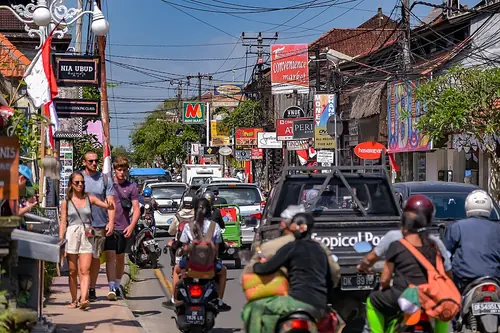
The first thing nobody tells you about Canggu is that you can’t really walk anywhere. First-time visitors who expect to stroll from café to beach to rice field like the photos suggest usually spend their first afternoon trudging a shoulderless lane while scooters stream past in both directions. Rent a scooter on arrival instead, learn which shortcut to avoid at 5pm, and the whole town opens up: beach in ten minutes, sunset in fifteen, a different warung for dinner every night.
So here’s the short version this Canggu travel guide is built around: come in the dry season (roughly April to October), base yourself in Batu Bolong or Berawa, get comfortable on a scooter (or keep Grab and Gojek on your phone if you don’t ride), and let the surf, the cafés and the rice paddies do the rest. Do those few things and Canggu stops feeling like a traffic jam between villas and starts feeling like the easy, sun-soaked surf town people fall for.
You don’t need a packed itinerary here. You need to land in the right season, sleep in the right corner of town, and sort out how you’ll get around before you arrive. The detail most first-timers get wrong is the one that decides whether the whole trip feels relaxed or gridlocked.
What to pack for Canggu
Four picks from our gear guides that suit this trip. Each card opens the live Amazon price; the links below lead to the full comparisons.
360-degree memory foam with asymmetrical sides, so you pick which side gets the most support instead of getting the same generic curve everywhere. It was the single most-purchased travel product among Travel + Leisure readers in 2025. The catch: even compressed to about 60% of its size in the included bag, it’s still bulkier than an inflatable.
Check price on Amazon Live price on Amazon61 x 122 cm, listed at 120 g in navy, snap loop and a ventilated carry bag. Rainleaf says it absorbs five times its own weight, and it comes in six sizes. The one most travelers should buy first.
Check price on Amazon Live price on AmazonThe reliable all-rounder: one USB-C and four USB-A ports, plugs for 200+ countries, and a built-in fuse with a spare. The adapter most people should buy.
Check price on Amazon Live price on AmazonModel A1259, 10,000mAh, about 37Wh, 215 g. Two phone charges in a jacket pocket, and small enough that the two-bank limit never becomes a question.
Check price on Amazon Live price on AmazonGetting Around Canggu
Here’s the thing that decides your whole trip, and most first-timers get it wrong: how you move around. Canggu has no metro, no tram, no public bus: just lanes, scooters and ride-hail apps. Sort this before you land and the town opens up; ignore it and you’ll spend your holiday stuck.
And honestly? Once you’ve got wheels, Canggu is small. The joy is the in-between: the rice paddy you cut through between cafés, the warung you stumble on down a lane, the beach you reach just before the light goes gold.
What Not to Miss
You don’t come to Canggu for a checklist. You come to slow down. But a handful of things are worth getting out of the hammock for.
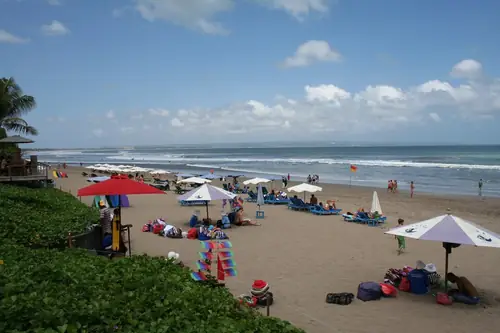
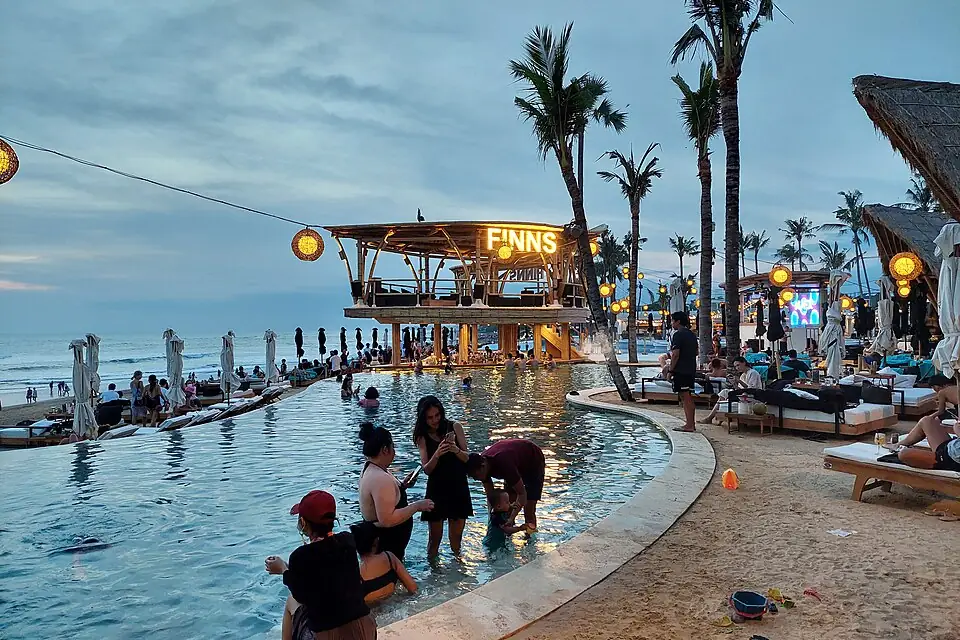
- Surf and sunsets at Batu Bolong and Echo Beach. Batu Bolong’s mellow break is where half of Bali learns to surf, and both beaches turn into a free sunset show every evening: grab a spot on the sand as the sky goes orange.
- Tanah Lot temple. The iconic sea temple perched on a rock just up the coast is one of Bali’s most photographed sights, especially at sunset; it’s an easy half-day trip from Canggu.
- Rice-paddy walks. The bright-green paddies still thread between the villas: the Canggu and Berawa shortcut walks let you stroll through them on foot, a quiet contrast to the lanes.
- A Balinese cooking class. Half a morning at a local kitchen teaches you to make a proper nasi goreng or curry from scratch, market trip included: one of the best-value experiences in town.
- The beach-town café scene. Canggu’s cafés are an attraction in their own right: long brunches, fresh juices, smoothie bowls and great coffee, with somewhere new to try on every lane.
The quiet wins are free: a barefoot walk along Echo Beach at low tide, the green of the paddies in the early light, and the nightly sunset that costs nothing but a place to sit.
Best Time to Visit Canggu
Canggu is warm year-round. This close to the equator the temperature barely moves, hovering around 27–31°C whatever month you pick. What actually changes is the rain, the surf and the crowds. The short answer: the dry season (April to October) wins for weather and waves, while the wet season (November to March) trades the odd afternoon downpour for lower prices and elbow room. Here’s how the seasons compare.
| Season | Weather | Surf & sunsets | Crowds | Prices |
|---|---|---|---|---|
| Dry (Apr–Jun) | Sunny, lower humidity, ~28–31°C | Building, clean, great | Building | Mid, rising |
| Dry peak (Jul–Aug) | Driest, breezy, ~27–30°C | Best of the year | Heaviest | Peak |
| Dry shoulder (Sep–Oct) | Still mostly dry, warm | Reliable, less busy | Easing | Good value |
| Wet (Nov–Mar) | Humid, afternoon rain, ~28–31°C | Patchier, choppier | Low (spikes at New Year) | Cheapest outside the holidays |
A couple of things worth knowing: the rain in the wet season usually arrives as short, heavy afternoon bursts rather than all-day grey, so a wet-season morning is often perfectly sunny. You just plan beach time early. Prices and traffic spike hard around Christmas and New Year and again in the July–August peak, so if you want the dry-season look without the crush, aim for May–June or late September.
Where to Stay in Canggu
Canggu isn’t one place so much as a string of beach-village pockets joined by narrow lanes, and which one you pick sets the whole tone of your stay. They’re all within a short scooter ride of each other, so this is about vibe, not distance. Here’s how the classic bases compare.
| Area | Vibe | Roughly | Best for |
|---|---|---|---|
| Batu Bolong | Buzzy, walkable, café-and-surf heart | $40–110/night | First-timers, surfers, the social scene |
| Berawa | Smarter, family-friendly, wider streets | $50–140/night | Couples, families, comfort and cafés |
| Echo Beach | Laid-back, surf-focused, sunset corner | $35–100/night | Surfers, slower mornings, sea views |
| Pererenan | Quieter, leafy, rice-paddy edge | $40–120/night | Calm, longer stays, escaping the crowds |
For a first trip, Batu Bolong is the best base. It’s the most walkable corner, with the beach, the surf schools and the densest run of cafés all within a few minutes. Berawa is the slightly smarter, more spread-out choice that suits couples and families, Echo Beach is the surf-and-sunset pick if you want waves on your doorstep, and Pererenan is the quiet, leafy option a few minutes out for longer stays. Compare live rates anytime on our hotels hub.
Frequently Asked Questions
What is the best time to visit Canggu?
April to October is the sweet spot: the dry season brings sunny days, lower humidity and the most reliable surf and sunsets. July and August are the busiest and priciest. November to March is the wet season: cheaper and quieter, with warm rain that usually falls in afternoon bursts rather than all day.
Where should I stay in Canggu for the first time?
Batu Bolong puts you in the heart of the café-and-surf scene within walking distance of the beach. Berawa is a touch smarter and family-friendly, Echo Beach is the surf-and-sunset corner, and Pererenan is the quieter, leafier choice a few minutes out. Pick one base and ride a scooter for the rest.
How do I get from Bali airport (DPS) to Canggu?
Canggu sits roughly 45 to 60 minutes from Ngurah Rai (DPS) airport, longer in heavy traffic. Most visitors pre-book a hotel transfer or use the Grab or Gojek apps for a metered ride. There’s no train or public bus, so a car transfer or ride-hail app is the simplest way in with luggage.
Is a scooter the best way to get around Canggu?
For most people, yes. Canggu is spread out along narrow lanes with no public transport, so a scooter is the default way locals and visitors get around. Wear a helmet, carry the right licence, and ride carefully: the famous shortcut lanes are tight and chaotic. If you don’t ride, Grab and Gojek cover the gaps.
Is Canggu good for digital nomads?
Very. Canggu is one of Bali’s main remote-work hubs, packed with cowork cafés, fast wifi and cheap warungs for long working days. Batu Bolong and Berawa have the densest cluster of laptop-friendly cafés and coworking spaces, and the beach is never more than a short ride away when the day’s work is done.
What is there to do in Canggu besides the beach?
Plenty. Learn to surf at Batu Bolong or Echo Beach, watch the sunset over the break, walk the rice paddies that still thread between the villas, take a Balinese cooking class, and visit the clifftop Tanah Lot temple nearby. The café scene and morning markets fill the gaps between.
Start Planning Your Canggu Trip
Get the season and the neighbourhood right, sort your wheels before you land, and Canggu is the relaxed surf town it looks like in the photos rather than a traffic jam between villas. A scooter and a base in Batu Bolong are what make the trip click. Aim for the dry season, pick your corner of town, and let the surf and the sunsets do the work.
Compare prices now and lock in your dates:
Find cheap flights to Bali | Compare Canggu hotel prices
Planning the wider trip? See our best time to visit Bali guide and browse more stays on the hotels hub.