Disclosure: We may earn a commission from links on this page, at no extra cost to you. How we earn
This article contains affiliate links. If you make a booking through these links, we may earn a commission at no extra cost to you. About & Affiliate Disclosure
Quick Answer
- Best overall: May to September, the Andean dry season, for clear skies and trekking.
- Best value: April and October, dry-season weather with smaller crowds and lower prices.
- Cheapest: November to March, the rains, often 20 to 40 percent below the June-to-August peak.
- Note for trekkers: the classic Inca Trail closes every February for maintenance.
- Daily budget: 30 to 55 US dollars for backpackers, 80 to 150 for mid-range comfort.
The Best Time to Visit Peru, in One Sentence
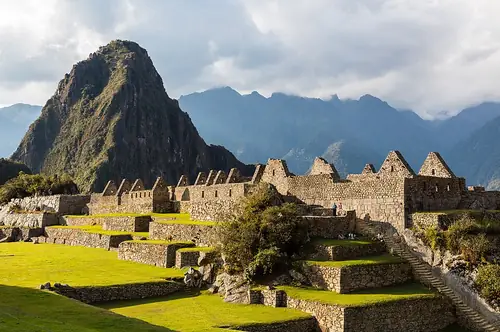
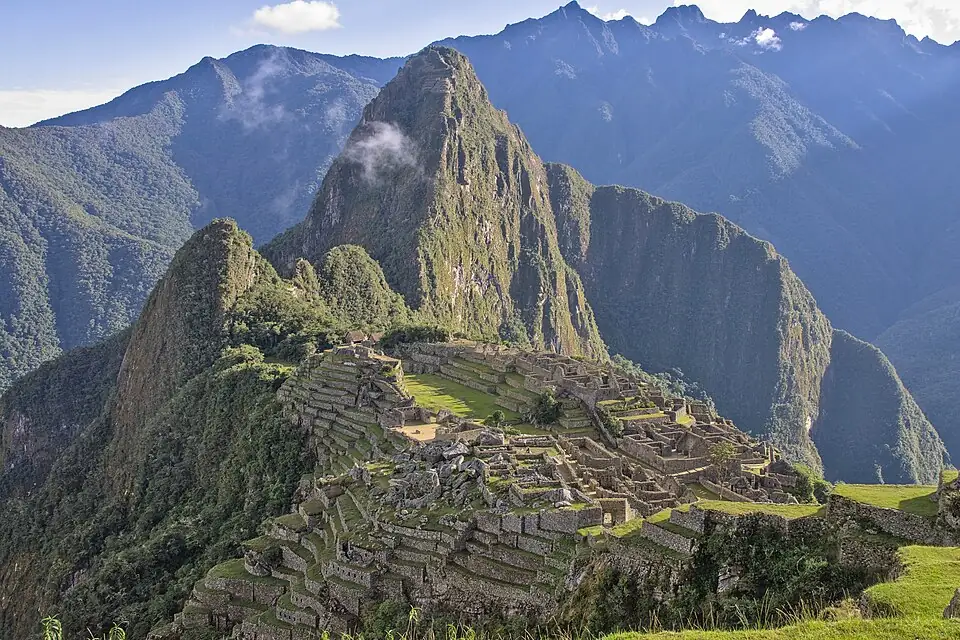
October sits right on the edge of the rains, which scares plenty of travelers off a window that often pays off: June and July fares run high, while a shoulder-month bet on October can reward visitors at the Sun Gate above Machu Picchu with hard golden light breaking through the clouds and a fraction of the high-season crowds. Why that shoulder-season gamble tends to work is covered further down.
But you came for the answer, so here it is. The best time to visit Peru is the dry season from May to September, when the Andes and Machu Picchu get clear skies, sunny days, and the best trekking conditions. For the same fine weather with thinner crowds and softer prices, target the shoulder months of April and October, which bracket the peak without the peak-season bill.
Honestly? Peru packs three wildly different worlds into one country: the high Andes, the Amazon rainforest, and the dry Pacific coast, and each has its own rhythm. This guide breaks down the cost and weather of every month so you can match the trip to your wallet, including the rainy-season window most travelers are wrongly scared off.
What to pack for Peru
Four picks from our gear guides that suit this trip. Each card opens the live Amazon price; the links below lead to the full comparisons.
25 x 18 x 4 cm, 254 g, 2.1 L. Locking zips, a cut-resistant double-cable strap, an RFID passport pocket and a strap that clips to a chair. Reader’s Digest’s best crossbody for travel.
Check price on Amazon Live price on AmazonThe best value compression set going. A double-zip pulls the air out so a week of clothes shrinks to a few inches thick, and you get eight pieces (cubes plus a shoe and laundry bag) for roughly the price of one branded cube. The fabric is thin and the zips aren’t lifetime kit, but for the money nothing beats it.
Check price on Amazon Live price on AmazonThe reliable all-rounder: three USB-C and two USB-A ports, plugs for 200+ countries, and a built-in fuse with a spare. The adapter most people should buy.
Check price on Amazon Live price on AmazonModel A1259, 10,000mAh, about 37Wh, 215 g. Two phone charges in a jacket pocket, and small enough that the two-bank limit never becomes a question.
Check price on Amazon Live price on AmazonWhen and where to go in Peru
| Month | Weather (Andes) | Crowds | Prices | Best for |
|---|---|---|---|---|
| January | Wet, green, warm days | Low | Low | Green landscapes, value, fewer tourists |
| February | Wettest, Inca Trail closed | Low | Lowest | Cheapest trips (skip the Inca Trail) |
| March | Wet, easing late | Low | Low | Lush scenery, shoulder value |
| April | Drying out, lovely | Rising | Mid | Best value, green hills, clear days |
| May | Dry, clear, crisp | Rising | Mid-high | Trekking, photography, fewer crowds |
| June | Dry, sunny, Inti Raymi | High | High | Festivals, classic dry-season trek |
| July | Dry, peak season | Very high | Peak | Reliable weather, but busiest and priciest |
| August | Dry, windy, peak crowds | Very high | Peak | Trekking, clear skies, book far ahead |
| September | Dry, clear, easing | High then easing | Mid-high | Great weather with thinning crowds |
| October | Dry to first rains | Easing | Mid | Shoulder value, warm coast |
| November | Rains returning | Low | Low-mid | Quiet trails, value, green starting |
| December | Wet, festive, warm | Low until late | Low then rising | Lush scenery, holidays, low crowds |
A note on the numbers: Cusco’s daytime highs stay remarkably steady all year, around 19 to 21 C, but nights plunge near freezing from June to August, and the classic Inca Trail closes the whole of February for maintenance. Time a trip around June 24 for Inti Raymi, the Festival of the Sun.
By region
| Region | Best months | Notes |
|---|---|---|
| Andes (Cusco, Machu Picchu) | May to Sep | Dry, clear, cold nights; rainy and green Oct to Apr |
| Amazon (Iquitos, Puerto Maldonado) | May to Oct | Drier with lower rivers; hot and humid year-round |
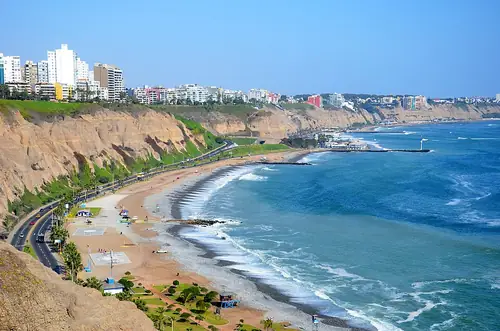
| Pacific coast (Lima) | Dec to Apr | Sunny summer; grey winter “garua” mist May to Nov |
| Northern beaches (Mancora) | Dec to Apr | Warm and sunny in summer; the country’s best beach weather |
Find Cheap Flights to Peru
Lima (LIM) is the main international gateway, and almost every trip routes through it. From there, a short domestic flight to Cusco (CUZ) is the standard way into the Sacred Valley and Machu Picchu. From Europe, watch for connections through Madrid, Amsterdam, or US hubs; from North America, there are direct routes to Lima from several cities, plus competitive connecting fares.
Use the live calendar below to spot the cheapest departure dates at a glance, then compare across months.
Tips for cheaper flights:
- Book 3 to 5 months ahead for dry-season trips; Cusco-bound travel peaks hard in June, July, and August.
- Fly into Lima, then take a budget domestic flight. LATAM, Sky, and JetSMART compete on Lima to Cusco fares.
- Travel in the shoulders. April, October, and November departures are routinely the cheapest of the year.
- Watch the rainy-season lull. January and February long-haul fares to Lima can fall sharply.
- Avoid Inti Raymi week. Late June around the 24th carries the steepest Cusco fares and hotel rates.
For more route ideas and fare hacks, browse our full flights hub.
Target these windows for the cheapest trips:
November to March (the rains) is the cheapest stretch. A Cusco hotel that runs 90 US dollars a night in July can drop to 50 to 65 in the green season, and tours and flights soften noticeably. You trade afternoon rain and the February Inca Trail closure for lush valleys and far fewer tourists.
April and October are the budget picks if you want dry-season weather: clear days and good trekking in exchange for prices below the June-to-August core.
Steer clear of the high-season peak (June to August), Inti Raymi week (around June 24 in Cusco), and Peru’s Fiestas Patrias around July 28 to 29 for the lowest rates.
Pick your month and the flights look manageable. But Peru’s three climate zones can trip you up, and the difference between them is bigger than most people expect.
Where to Stay in Peru
Where you sleep shapes both your budget and your experience, and Peru offers everything from Andean hostels to Sacred Valley lodges. Cusco and the Sacred Valley alone have very different bases.
Cusco is the high-altitude gateway, best treated as a place to acclimatize before trekking. The lower Sacred Valley is gentler on the lungs and closer to the Machu Picchu trains. Lima’s Miraflores and Barranco are the safe, walkable, food-obsessed neighborhoods for your first and last nights. Compare current rates anytime on our hotels hub.
Daily Budget for Peru
| Category | Budget (US dollars) | Mid-Range (US dollars) | Comfort (US dollars) |
|---|---|---|---|
| Accommodation | 10 to 22 | 45 to 90 | 120 to 280 |
| Food (3 meals) | 8 to 15 | 22 to 45 | 55 to 120 |
| Transport | 4 to 10 | 12 to 30 | 40 to 90 |
| Activities | 8 to 18 | 25 to 55 | 70 to 150 |
| Daily Total | 30 to 55 | 80 to 150 | 300 to 550 |
A few notes that keep costs honest: a menu del dia (set lunch) runs 10 to 20 soles, local markets serve hearty meals for less, and street snacks like anticuchos are cheap and excellent. Long-distance buses are comfortable and far cheaper than flying between cities. The big budget line is Machu Picchu itself: entry tickets, the train from Ollantaytambo, and the bus up from Aguas Calientes add up, and a guided Inca Trail or Salkantay trek is a separate, sizeable cost, so plan and book those well ahead.
Stay Connected and Safe: eSIM and VPN
Skip the airport SIM counter. A travel eSIM gives you fast data the moment you land at LIM or CUZ, which matters when you’re coordinating train transfers to Aguas Calientes, booking a Sacred Valley colectivo, or finding altitude-friendly food in Cusco. Peru has decent 4G/5G in the cities and main valleys, though coverage thins on the trails and in the Amazon.
- Activate before you fly: data works on arrival
- Plans for 200+ countries from a few dollars
- Keep your number; no physical SIM swap
Peru offers open Wi-Fi in hotels, cafes, and airports, and a VPN keeps your banking and logins private on those public networks while letting you reach your usual streaming and home services. Set it up before you fly.
- Up to 10 devices on one account
- Obfuscated servers for networks that block VPNs
- 30-day money-back guarantee
For the full rundown, see our guides to the best travel eSIM and VPN.
Tours & Activities: Peru
Skip the ticket queues and pre-book the best local tours, day trips and skip-the-line attractions.
Frequently Asked Questions
What is the best time to visit Peru?
May to September is the best time for the Andes and Machu Picchu: this is the dry season, with clear skies, sunny days, and the best trekking conditions. April and October are the value sweet spots, with similar weather just outside the busiest, priciest months.
What is the cheapest time to visit Peru?
The rainy season from November to March is the cheapest, with flights and tours often 20 to 40 percent below the June-to-August peak. The shoulder weeks of April and October offer dry-season weather at lower prices than the high-season core.
When is Machu Picchu best to visit and is the Inca Trail ever closed?
Machu Picchu is open year-round, but the dry season from May to September gives the clearest views. The classic Inca Trail closes every February for maintenance, so plan an alternative trek or train route if you visit then.
Should I avoid Peru in the rainy season?
Not necessarily. The November-to-March rains bring lush green landscapes, fewer crowds, and lower prices, and mornings are often clear. The main caveats are muddy trails, possible landslides affecting trains, and the February Inca Trail closure.
How much does a trip to Peru cost per day?
Budget travelers manage on 30 to 55 US dollars a day; mid-range travelers should plan for 80 to 150, plus extra for Machu Picchu entry and trekking permits. See the cost table above for the full breakdown.
When is Inti Raymi and is it worth timing a trip around?
Inti Raymi, the Inca Festival of the Sun, falls on June 24 in Cusco, coinciding with the southern winter solstice. It is a spectacular reenactment at Sacsayhuaman and well worth seeing, but it lands in peak season, so book flights and Cusco hotels months ahead.