Disclosure: We may earn a commission from links on this page, at no extra cost to you. How we earn
This article contains affiliate links. If you make a booking through these links, we may earn a commission at no extra cost to you. About & Affiliate Disclosure
Quick Answer
- Best overall: spring (Oct to Nov) and autumn (Mar to Apr), mild with shoulder prices.
- Patagonia: November to March only; Dec to Feb is peak, the shoulders are cheaper.
- Cheapest: June to August (southern winter) in Buenos Aires and the north, plus ski season in the Andes.
- Avoid for price/heat: peak summer (Dec to Feb) in the city; Easter and July holidays nationwide.
- Daily budget: 45 to 75 US dollars for backpackers, 100 to 180 for mid-range comfort.
The Best Time to Visit Argentina, in One Sentence
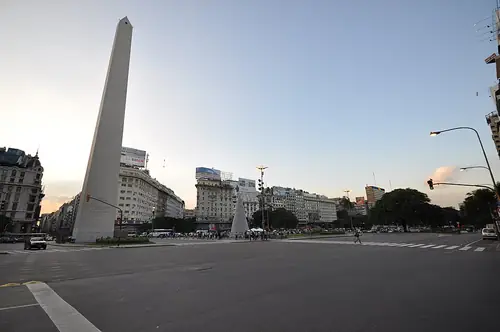
In early November, the jacaranda trees along Avenida 9 de Julio in Buenos Aires are in full bloom, dropping petals onto the pavement cafes where porteños linger over espresso and medialunas in shirtsleeves. Warm but not yet sweltering, the city puts on a show, and a Palermo hotel booked for that week typically costs noticeably less than the same room in January. That price gap is explained below, because it’s the key to timing this enormous, dramatic country.
But you came for the answer, so here it is. The best time to visit Argentina is the shoulder seasons: spring (October to November) and autumn (March to April): when the weather is mild, the crowds are thin, and prices sit below the summer peak. Argentina is in the Southern Hemisphere, so the seasons are flipped: summer runs December to February, which is beach-and-Patagonia high season and the priciest stretch of the year.
Honestly? If your dream is trekking under Patagonia’s peaks, you almost have to go in the southern summer and pay for it. For everyone focused on Buenos Aires, the Mendoza countryside, and the north, the spring and autumn shoulders deliver the best weather-to-cost ratio. This guide breaks down every month so you can match Argentina to your wallet.
What to pack for Argentina
Four picks from our gear guides that suit this trip. Each card opens the live Amazon price; the links below lead to the full comparisons.
25 x 18 x 4 cm, 254 g, 2.1 L. Locking zips, a cut-resistant double-cable strap, an RFID passport pocket and a strap that clips to a chair. Reader’s Digest’s best crossbody for travel.
Check price on Amazon Live price on AmazonThe best value compression set going. A double-zip pulls the air out so a week of clothes shrinks to a few inches thick, and you get eight pieces (cubes plus a shoe and laundry bag) for roughly the price of one branded cube. The fabric is thin and the zips aren’t lifetime kit, but for the money nothing beats it.
Check price on Amazon Live price on AmazonThe reliable all-rounder: one USB-C and four USB-A ports, plugs for 200+ countries, and a built-in fuse with a spare. The adapter most people should buy.
Check price on Amazon Live price on AmazonModel A1259, 10,000mAh, about 37Wh, 215 g. Two phone charges in a jacket pocket, and small enough that the two-bank limit never becomes a question.
Check price on Amazon Live price on AmazonArgentina’s Seasons and What They Cost
Argentina stretches nearly 3,700 km north to south, so a single month can mean subtropical heat in the north and glacier winds in the south. For most visitors the rhythm centers on Buenos Aires, and because the country sits below the equator, everything is reversed from Europe and North America. Here’s what each season actually costs you.
Summer (December to February): Hot City, Peak Patagonia
This is high season, driven by Patagonia and the Atlantic coast. Buenos Aires turns hot and humid at 30 C-plus, and many locals flee to the beaches at Mar del Plata. Down south, this is the golden window for trekking. The catch is a January budget that balloons fast: Patagonia flights, hotels, and tours hit their annual peak and book out months ahead.
If you want summer access to the south without the worst of the crush, target late November or early March, the edges of the season.
Autumn (March to May): The Golden Bargain
After summer, Argentina mellows. Buenos Aires cools to comfortable mid-20s C, and the Mendoza countryside turns gold for the vendimia grape harvest. Prices fall from the peak, crowds thin, and the light is gorgeous. It’s one of the best-value windows in the calendar.
Winter (June to August): Cheapest in the City, Ski in the Andes
Buenos Aires winters are cool but mild (around 8 to 16 C), dry, and the cheapest time to visit the city and the north. The Andes around Bariloche and Las Lenas deliver real skiing. The trade-off is that Patagonia largely closes for winter, with many trails and lodges shut.
Spring (September to November): The Sweet Spot
This is the season worth building a trip around. Spring brings mild, lengthening days, the famous jacaranda bloom in Buenos Aires, and the reopening of Patagonia toward November. Crowds are still thin and prices sit below summer. It’s the finest blend of weather and value in the year.
Month-by-Month Guide to Visiting Argentina
Use this as your at-a-glance planner before the detailed notes below.
| Month | Weather | Crowds | Prices | Best for |
|---|---|---|---|---|
| January | Hot, humid (city) | High (Patagonia, coast) | Peak | Patagonia trekking, beaches |
| February | Hot, humid | High | Peak | Patagonia, Carnival in the north |
| March | Warm, easing | Moderate | Mid-high | Grape harvest, comfortable city |
| April | Mild, golden | Moderate | Mid | Autumn colour, value, hiking north |
| May | Cool, crisp | Low | Low-mid | Quiet city, shoulder value |
| June | Cool, dry | Low | Low | Cheapest city, skiing starts |
| July | Cold, ski season, holidays | Moderate (slopes) | Low-mid | Skiing, but city holiday spike |
| August | Cold, dry | Low | Low | Cheap fares, late ski season |
| September | Warming, fresh | Rising | Mid | Spring shoulder, value |
| October | Mild, blooming | Moderate | Mid | Jacarandas, comfortable weather |
| November | Warm, lovely | Rising | Mid-high | Best all-round, Patagonia reopens |
| December | Hot, festive | High from mid-month | Rising to peak | Patagonia peak begins, summer start |
Those Buenos Aires averages chart the swing: highs near 30 C in January and February, easing through the comfortable low-20s C of autumn, bottoming around 15 to 16 C in the dry June-to-July winter, then climbing back through spring. February also brings Carnival in the northern Litoral, and March puts Mendoza’s vendimia grape harvest in full swing.
Find Cheap Flights to Argentina
Buenos Aires has two airports: Ezeiza (EZE), the international gateway, and Aeroparque (AEP), close to the center and the main hub for domestic flights, including the long hops down to Patagonia. From Europe, watch Iberia via Madrid and the occasional direct from Rome or Paris; from North America, Miami, Atlanta, and Houston have strong links. Internal distances are vast, so a domestic flight to El Calafate or Bariloche often beats a 20-hour bus.
Use the live calendar below to spot the cheapest departure dates at a glance, then compare across months.
Tips for cheaper flights:
- Book 2 to 4 months ahead for long-haul to Buenos Aires; Patagonia-season fares climb early.
- Book domestic flights to Patagonia early: El Calafate and Ushuaia routes fill and spike in summer.
- Travel in the southern winter (June to August) for the lowest international fares of the year.
- Watch Iberia via Madrid and Latam connections for value routings from Europe.
- Avoid Easter week and the July holidays for the steepest domestic fares.
For more route ideas and fare hacks, browse our full flights hub.
When Prices Are Lowest: Best Time for Budget Travelers
Target these windows for the cheapest trips:
June to August (southern winter) is the cheapest stretch in Buenos Aires and the north. A Palermo room runs even less in winter, when the city is cool and quiet. The trade-off is that Patagonia is mostly closed, so this suits city, Mendoza, and northern trips, plus skiing in the Andes.
May and September, the edges of winter, deliver mild weather with prices still low and crowds thin.
Late March and April, just after summer, pair comfortable autumn weather and the grape harvest with prices already falling from the peak.
Steer clear of peak Patagonia summer (December to February), Easter week, and the mid-July holidays for the lowest rates.
Pick your month and the flights look manageable. But there’s a regional twist that catches a lot of first-timers, so let’s get to it.
Regional Differences: Buenos Aires vs Patagonia vs the North
Argentina’s length means the same week can be a glacier gale in the south and balmy in the subtropical north.
| Region | Best months | Notes |
|---|---|---|
| Buenos Aires | Oct to Nov, Mar to Apr | Mild shoulders; summer hot, winter cool and cheapest |
| Patagonia (south) | Nov to Mar | Only reliable window; Dec to Feb peak, shoulders cheaper |
| Mendoza | Mar (harvest), Oct to Nov | Vendimia grape harvest in autumn; warm, dry, lovely in spring |
| Iguazú Falls (north) | Apr to Jun, Aug to Oct | Avoid peak summer heat and humidity; lush year-round |
| Salta & the Andes north | Apr to Jun, Sep to Nov | Dry, clear shoulders; summer brings rains |
The headline: Patagonia only really works in the southern summer, so build your trip around that if the south is your goal. The subtropical north and Iguazú are best in the milder shoulder months, avoiding the heavy summer heat and humidity.
Where to Stay in Argentina
Where you sleep shapes both your budget and your experience, and Buenos Aires alone offers wildly different neighborhoods.
| Area | Vibe | Budget room | Best for |
|---|---|---|---|
| Buenos Aires (Palermo) | Leafy, trendy, cafes and restaurants | 30 to 70 US dollars/night | First-timers, dining, cafés |
| Buenos Aires (San Telmo) | Old town, tango, antiques | 25 to 55 US dollars/night | Culture, atmosphere, value |
| Buenos Aires (Recoleta) | Elegant, grand, central | 45 to 100 US dollars/night | Style, museums, calm |
| Mendoza | Mountains, relaxed | 30 to 75 US dollars/night | Andes day trips, scenery |
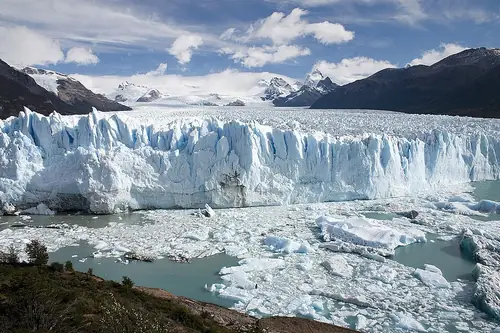
| El Calafate (Patagonia) | Glacier gateway, frontier | 50 to 120 US dollars/night | Trekking, Perito Moreno glacier |
Buenos Aires is the cosmopolitan heart, from Palermo’s cafes to San Telmo’s tango halls. Mendoza is the laid-back base for the Andes and the countryside. El Calafate is the springboard for the southern glaciers. Compare current rates anytime on our hotels hub.
Daily Budget for Argentina
| Category | Budget (US dollars) | Mid-Range (US dollars) | Comfort (US dollars) |
|---|---|---|---|
| Accommodation | 18 to 35 | 55 to 110 | 140 to 320 |
| Food (3 meals) | 12 to 22 | 28 to 55 | 65 to 140 |
| Transport | 6 to 14 | 18 to 40 | 50 to 110 |
| Activities | 8 to 18 | 22 to 50 | 55 to 130 |
| Daily Total | 45 to 75 | 100 to 180 | 300 to 650 |
A few notes that keep costs honest: a menú del día lunch is excellent value, an empanada or choripán makes a cheap, filling snack, and Argentina’s famous asado (grilled beef) is a relative bargain by world standards. City transport via the SUBE card is cheap, but Patagonia’s distances and tours are where budgets blow out, so plan the south carefully. Note that the economy is volatile, so prices and exchange rates can shift quickly.
Stay Connected and Safe: eSIM and VPN
Skip the airport SIM counter. A travel eSIM gives you fast data the moment you land at EZE, which matters when you’re booking a Patagonia bus, translating a menu, or finding a late-night tango milonga. Argentina has reliable 4G/5G in the cities, though coverage thins in remote Patagonia.
- Activate before you fly: data works on arrival
- Plans for 200+ countries from a few dollars
- Keep your number; no physical SIM swap
Argentina offers plenty of open Wi-Fi in hotels, cafes, and long-distance buses, and a VPN keeps your banking and logins private on those public networks while letting you reach your usual streaming and home services. Set it up before you fly.
- Up to 10 devices on one account
- Obfuscated servers for networks that block VPNs
- 30-day money-back guarantee
For the full rundown, see our guides to the best travel eSIM and VPN.
Tours & Activities: Argentina
Skip the ticket queues and pre-book the best local tours, day trips and skip-the-line attractions.
Frequently Asked Questions
What is the best time to visit Argentina?
The shoulder seasons of spring (October to November) and autumn (March to April) are the sweet spot: mild weather, jacarandas or golden autumn countryside, thin crowds, and softer prices. Remember Argentina is in the Southern Hemisphere, so its summer is December to February.
When is the cheapest time to visit Argentina?
The southern winter, from June to August, is the cheapest in Buenos Aires and the north, with low airfares and hotel rates. It is also ski season in the Andes, but Patagonia largely shuts down, so weigh where you want to go.
When is the best time to visit Patagonia?
November to March (the southern summer) is the only reliable window for Patagonia, with the long days, open trails, and milder weather needed for El Calafate, El Chaltén, and Ushuaia. December to February is peak; the November and March shoulders are quieter and cheaper.
Is Buenos Aires hot in summer?
Yes. December to February in Buenos Aires is hot and humid, often 30 C or more, and many locals leave for the coast. Spring and autumn are far more comfortable for walking the city and watching tango.
How much does a trip to Argentina cost per day?
Budget travelers manage on 45 to 75 US dollars a day; mid-range travelers should plan for 100 to 180, more if flying down to Patagonia. See the cost table above for the full breakdown.
Should I pay in cash or card in Argentina?
Argentina’s economy is volatile, so check the current situation before you go. In recent years cash US dollars or certain card payment routes have given far better exchange rates than the official one, which directly affects how cheap your trip feels.
Start Planning Your Argentina Trip
The best time to visit Argentina comes down to your priorities. Spring (October to November) and autumn (March to April) give you the finest blend of mild weather and value; the southern winter (June to August) is cheapest for the city and best for Andean skiing; and only peak Patagonia summer truly costs a premium. Skipping the January crush for a purple-blossomed November in Buenos Aires gets the city at its best with money to spare. Match the month to your wallet and Argentina is far more affordable than its size suggests.
Compare prices now and lock in your dates:
Find cheap flights to Argentina | Compare Argentina hotel prices