Quick Answer
- Best time to visit Kruger: the dry winter (May–September): thin bush, animals at waterholes, far easier Big Five spotting.
- Self-drive is a bargain: drive the public park in your own rental car for the daily fee, sleeping in affordable SANParks rest camps.
- Private reserves (Sabi Sand and neighbours) buy you guided, off-road drives and the best leopard odds, at a price.
- Getting there: fly into Skukuza (SZK), Hoedspruit (HDS) or Nelspruit/Mbombela (MQP), or drive ~5 hrs from Johannesburg.
- Best hours: dawn and dusk game drives win; book camps months ahead for peak season and stay inside the gates by closing.
Kruger National Park, Without the Rookie Mistakes
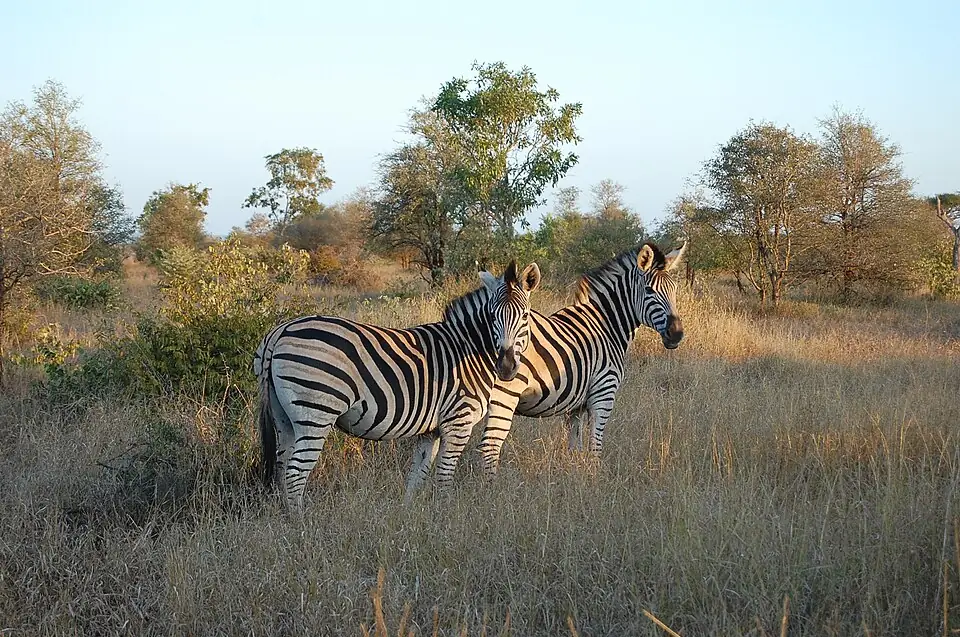
A February visit to Kruger, timed to cheap flights rather than game-viewing odds, is a common rookie mistake: beautiful, green, dripping after the afternoon rains, and often not much more than impala, more impala, and a single elephant’s backside disappearing into the bush. The fix is the local wisdom every camp guide repeats: come back in winter. The grass dies, the animals come to the water, and sightings multiply. A July visit timed to that advice can turn up four of the Big Five before breakfast on the very first morning.
So here’s the short version this Kruger National Park guide is built around: come in the dry winter (roughly May to September) for the best game viewing, decide early between a budget self-drive and a guided private reserve, book your camps months ahead, and get out at dawn and dusk when the animals actually move. Do those things and Kruger stops being a green wall you stare at and turns into the wildlife spectacle you came for.
You probably don’t need a luxury lodge and a five-figure budget for your first safari. You need the right season, the right base, and a clear head about self-drive versus guided. The rest is just keeping your eyes open and your window down. The choice most first-timers agonise over is the one that matters least.
What to pack for Kruger
Four picks from our gear guides that suit this trip. Each card opens the live Amazon price; the links below lead to the full comparisons.
25 x 18 x 4 cm, 254 g, 2.1 L. Locking zips, a cut-resistant double-cable strap, an RFID passport pocket and a strap that clips to a chair. Reader’s Digest’s best crossbody for travel.
Check price on Amazon Live price on AmazonThe best value compression set going. A double-zip pulls the air out so a week of clothes shrinks to a few inches thick, and you get eight pieces (cubes plus a shoe and laundry bag) for roughly the price of one branded cube. The fabric is thin and the zips aren’t lifetime kit, but for the money nothing beats it.
Check price on Amazon Live price on AmazonThe reliable all-rounder: one USB-C and four USB-A ports, plugs for 200+ countries, and a built-in fuse with a spare. The adapter most people should buy.
Check price on Amazon Live price on AmazonModel A1259, 10,000mAh, about 37Wh, 215 g. Two phone charges in a jacket pocket, and small enough that the two-bank limit never becomes a question.
Check price on Amazon Live price on AmazonGetting There & Around
Here’s where a little planning saves you real money and hassle: Kruger is big, remote-ish, and books out for peak season. Sort the logistics early and the rest is easy.
And honestly? Slow down. The mistake first-timers make is racing between camps to “cover ground”. The best sightings come to those parked quietly by a waterhole, engine off, scanning the treeline.
What Not to Miss
You won’t see everything in one trip, so aim for a handful of moments done properly rather than a frantic checklist.
- The Big Five: lion, leopard, elephant, rhino and buffalo. Lion, elephant and buffalo are common; rhino takes patience; leopard is the elusive prize and the best reason to splurge on a guided reserve drive.
- A dawn game drive. The first light is when predators are still moving and the bush is cool and alive: set the alarm, it’s worth it.
- A guided night drive. Camps and reserves run after-dark drives with spotlights that reveal a whole nocturnal cast (bushbabies, civets, hunting cats) you’ll never see by day.
- The southern circuit. The roads around Skukuza, Lower Sabie and Crocodile Bridge hold Kruger’s densest wildlife and highest predator numbers: the safest bet for a packed sightings list.
- A private-reserve walking safari. On foot with an armed ranger, you read tracks, dung and birdsong and feel the bush at ground level, a completely different intensity from a vehicle.
- The birdlife. Even non-birders get hooked: lilac-breasted rollers, hornbills, eagles and, in green summer, a riot of migrants. Bring binoculars.
The quiet wins are free, too: the dawn chorus from your camp, a herd of elephants crossing the road in front of you, the Milky Way over a fence-free wilderness at night.
Best Time to Visit Kruger
Kruger is open all year, but the season you pick changes your odds of seeing animals more than anything else you’ll decide. The short answer for a first safari: the dry winter wins. Here’s how the two halves of the year actually compare.
| Season | Weather | Wildlife | Crowds & prices | Best for |
|---|---|---|---|---|
| Dry winter (May–Sep) | Cool, sunny, dry; cold mornings | Easiest spotting, thin bush, animals at waterholes | Peak; book early | Big Five game viewing, comfortable drives |
| Green summer (Oct–Apr) | Hot, humid, afternoon storms | Harder, lush bush hides animals | Quieter, lower rates | Newborn animals, migratory birds, dramatic skies |
The trade-off is real, not a formality. In the dry winter the vegetation dies back, surface water disappears, and wildlife is forced to gather at the remaining waterholes and rivers, so you spot far more, and the mild, mosquito-light days make for easy drives. The green summer flips it: the bush turns thick and gorgeous, the plains fill with newborn impala and zebra and the air with migratory birds, but all that cover hides the very animals you came to see, and the heat and storms make midday a write-off. If your one priority is ticking off the Big Five, aim for July to September.
Where to Stay & How to Safari
How you do Kruger matters as much as when. There are three honest ways to safari here, and they suit very different budgets and travel styles. Here’s the straight comparison.
| Option | What it is | Roughly | Best for |
|---|---|---|---|
| SANParks rest camps | Self-catering huts/chalets inside the public park; self-drive between them | Budget–mid | Value, independence, families, first-timers |
| Private reserves (e.g. Sabi Sand) | All-inclusive lodges with guided off-road drives, trackers, smaller traffic | Premium–luxury | Big Five odds, leopard sightings, a hands-off trip |
| Day safari from a gate town | Stay in Hazyview/Nelspruit, drive in or join a day tour | Low entry cost | Short trips, testing the waters, tight schedules |
For most first-timers, SANParks rest camps are the sweet spot: you drive the public roads yourself, sleep in simple but comfortable chalets, and pay a fraction of lodge prices. Private reserves like Sabi Sand are the splurge that earns it: trained rangers and trackers go off-road, radio in sightings, and dramatically raise your chances of leopard and a close, uninterrupted Big Five experience. A day safari from a gate town like Hazyview or Nelspruit is the low-commitment option if your time or budget is tight. Whichever you pick, compare live rates anytime on our hotels hub.
Frequently Asked Questions
What is the best time to visit Kruger?
The dry winter months, roughly May to September, are best for game viewing. The bush thins out, water dries up, and animals cluster around the remaining waterholes, so the Big Five are far easier to spot. The green summer (October to April) is lush, full of newborns and migratory birds, but the thick vegetation makes wildlife harder to see.
Can you do a self-drive safari in Kruger?
Yes, and it’s one of the great travel bargains in Africa. Kruger’s public section is laced with paved and gravel roads you can drive in your own rental car for just the daily conservation fee. You set your own pace, stop where you like, and stay in affordable SANParks rest camps. A guide spots more, but self-driving is genuinely doable for first-timers.
Do I need a guide to see the Big Five in Kruger?
No, but a guide tips the odds. Self-drivers regularly see elephant, buffalo, rhino and lion; leopard is the tricky one. Private reserves like Sabi Sand offer guided drives with trained rangers and trackers who go off-road and share sightings by radio, which is why their Big Five hit-rate is so high.
How do I get to Kruger National Park?
Fly into Skukuza (SZK) inside the park, Hoedspruit (HDS) near the northern reserves, or Nelspruit/Mbombela (MQP) for the southern gates, all with connections via Johannesburg. Or drive: it’s roughly a five-hour trip from Johannesburg to the southern gates, an easy and scenic self-drive.
Is Kruger safe to visit?
Kruger is one of Africa’s most established safari destinations and is generally considered safe when you follow the rules: stay in your vehicle outside camps, keep to the speed limits, return inside the gates before they close, and never feed or approach animals. Take standard malaria precautions and check current health advice before you go.
How many days do you need in Kruger?
Three to four days is the sweet spot. It gives you several game drives across different habitats, a fair shot at all of the Big Five, and time for both dawn and dusk outings when animals are most active. A quick day trip from a gate town works in a pinch, but two nights minimum makes the long journey worth it.
Start Planning Your Kruger Safari
Get the season and the style right and Kruger delivers the safari you imagined: not a green wall and a single elephant’s backside. A lush February trip can turn up almost nothing, while a dry-winter visit can deliver four of the Big Five before the first coffee. Aim for May to September, decide early between a budget self-drive and a guided reserve, book your camps ahead, and get out at dawn and dusk.
Compare prices now and lock in your dates:
Find cheap flights to Kruger | Compare Kruger lodge & camp prices
Planning the wider trip? See our best time to visit South Africa guide and browse more stays on the hotels hub.