Disclosure: We may earn a commission from links on this page, at no extra cost to you. How we earn
This article contains affiliate links. If you make a booking through these links, we may earn a commission at no extra cost to you. About & Affiliate Disclosure
Quick Answer
- Best for safari: dry winter (May to September), animals at waterholes, easy sightings.
- Best for Cape Town and beaches: warm, dry summer (November to March).
- Best all-rounders: May and September, good weather, fewer crowds, softer prices.
- Avoid for budget: December to early January (local peak) and the European summer holidays.
- Daily budget: 40 to 70 US dollars for backpackers, 100 to 200 for mid-range comfort.
The Best Time to Visit South Africa, in One Sentence
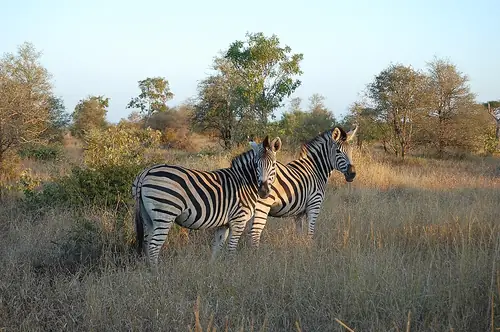
On a cold, clear July morning in Kruger, a waterhole is the place to be: the grass is low, the animals are thirsty, and there is nowhere for anything to hide, which is exactly why safari guides call winter the season to come.
So here is the answer. The best time to visit South Africa depends on what you’re chasing. For safari, the dry winter (May to September) is unbeatable, when animals crowd the waterholes and the bush is bare. For Cape Town’s beaches, scenic countryside, and the Garden Route, the warm, dry summer (November to March) is the dream. The country sits in the Southern Hemisphere, so its seasons are flipped from Europe’s, and May and September make brilliant all-rounders.
Honestly? South Africa is so varied that almost any month works somewhere. This guide breaks down the cost and feel of every month so you can match the trip to your wallet and decide between Big Five game drives and Table Mountain sunsets.
What to pack for South Africa
Four picks from our gear guides that suit this trip. Each card opens the live Amazon price; the links below lead to the full comparisons.
25 x 18 x 4 cm, 254 g, 2.1 L. Locking zips, a cut-resistant double-cable strap, an RFID passport pocket and a strap that clips to a chair. Reader’s Digest’s best crossbody for travel.
Check price on Amazon Live price on AmazonThe best value compression set going. A double-zip pulls the air out so a week of clothes shrinks to a few inches thick, and you get eight pieces (cubes plus a shoe and laundry bag) for roughly the price of one branded cube. The fabric is thin and the zips aren’t lifetime kit, but for the money nothing beats it.
Check price on Amazon Live price on AmazonThe reliable all-rounder: one USB-C and four USB-A ports, plugs for 200+ countries, and a built-in fuse with a spare. The adapter most people should buy.
Check price on Amazon Live price on AmazonModel A1259, 10,000mAh, about 37Wh, 215 g. Two phone charges in a jacket pocket, and small enough that the two-bank limit never becomes a question.
Check price on Amazon Live price on AmazonBuild your South Africa itinerary
The mistake first-timers make is treating South Africa as one place you can loop in a week. Don’t. A classic first trip pairs two very different worlds: Cape Town and the Garden Route in the scenic south-west, then a Kruger safari up in the north-east. They sit far apart (most of a day’s drive or more), so you fly between them rather than grind out the distance. Johannesburg is the usual safari gateway: you land there, then hop on a short connection or self-drive to the Kruger gates. And remember it’s the Southern Hemisphere, so the seasons flip: the dry winter (May to September) that’s perfect for safari is the same stretch the Cape turns cool and wet.
Pick your anchor by what you most want to see, then add the region that’s at its best the same week.
| Region | Best months | How long to stay | Pairs well with |
|---|---|---|---|
| Cape Town | Oct–Apr (warm, dry summer) | 4 days | Garden Route, Kruger safari |
| Garden Route | Oct–Apr (mild year-round) | 3–5 days, self-drive | Cape Town (drive east from there) |
| Kruger (safari) | May–Sep (dry winter) | 3–4 days | Johannesburg, Cape Town; fly in |
| Johannesburg | Year-round | 1–2 days | Kruger (the gateway) + history & culture |
A few honest notes: Cape Town and the Garden Route share the same warm, dry summer window, which makes them the natural pairing: base yourself in Cape Town, then drive east along the coast at your own pace. Kruger flips the calendar: its dry winter (May to September) is the best safari window, when the bush is bare and animals crowd the waterholes, and you fly in rather than drive. Johannesburg is less a destination than a hinge, a day or two for its history and museums, and the springboard for the bush.
Two routes that actually work:
- Cape + safari, 2 weeks: Cape Town 4 (Table Mountain, the Peninsula, the food markets) → drive the Garden Route 4 (Knysna’s lagoon, forests, beaches, at your own pace) → fly to Kruger 4 via Johannesburg for the safari. You’ll take one big internal flight (and a Jo’burg connection), which is exactly how you cover a country this size without losing days to the road.
- Highlights, 10 days: Cape Town 4 → fly to Kruger 3 via Johannesburg, with a city day in Jo’burg for its history and museums on the way through. Tighter, but it still gives you the two headline experiences. Either way, aim the Kruger leg at the dry winter (May to September), since that’s the prime safari window, even if it means the Cape is cooler.
Both routes lean on those big internal flights, so book them a few weeks ahead. Use the city guides below to go deeper on whichever stops make your shortlist.
Top Cities to Explore
South Africa’s Seasons and What They Cost
Remember the seasons are reversed: South Africa’s summer runs November to March and its winter June to August. The catch is that the country has two different climate stories. The Cape has a Mediterranean climate (dry summers, wet winters) while Kruger and the interior are summer-rainfall regions, with hot, wet summers and dry, mild winters. That split is the key to timing your trip.
Summer (November to March): Cape Town’s Peak
This is when the Cape shines. Cape Town, the Winelands, and the Garden Route enjoy warm, dry days of 25 to 30 C, long evenings, and beach weather. It’s also local holiday season, peaking sharply from mid-December into early January, when prices and crowds hit their highest. Inland and in Kruger, summer is hot and wet, green and beautiful, with newborn animals and superb birding, but thicker vegetation makes wildlife harder to spot.
Winter (June to August): Prime Safari, Wet Cape
Flip everything for the interior. Kruger and the lowveld turn dry and mild, with cool mornings and warm days around 22 to 26 C: the best wildlife viewing of the year. Meanwhile the Cape gets its rain, with cool, wet, windy spells in Cape Town (highs around 17 to 18 C). The upside on the coast is whale season, wildflowers, and low off-peak prices. Pack warm layers for chilly safari dawns.
Shoulder Seasons (April to May, September to October): The Sweet Spots
These are the best-balanced windows. Autumn (April to May) and spring (September to October) bring mild, mostly dry weather to much of the country, thinner crowds, and softer prices. May offers great early-safari conditions, while September and October add spring wildflowers in the Cape and Namaqualand and the tail of whale season.
Month-by-Month Guide to Visiting South Africa
Use this as your at-a-glance planner before the detailed notes below.
| Month | Weather | Crowds | Prices | Best for |
|---|---|---|---|---|
| January | Hot, dry Cape; wet inland | Peak early | Peak early | Cape beaches, then easing value |
| February | Warm, dry Cape | High | High | Winelands, Cape Town, coast |
| March | Warm, easing | Moderate | Mid | Great all-round shoulder weather |
| April | Mild, autumn, lovely | Moderate | Mid | Safari starts, comfortable touring |
| May | Cool nights, dry inland | Low | Low | Early safari, value, fewer crowds |
| June | Cool, dry bush; wet Cape | Low | Low | Prime safari, whale season begins |
| July | Cold mornings, top safari | Moderate (school hols) | Mid | Best Kruger sightings, whales |
| August | Cool, dry; wildflowers start | Moderate | Mid | Safari, whales, spring flowers |
| September | Spring, wildflowers, mild | Rising | Mid | All-round sweet spot, blooms |
| October | Warming, lovely | Rising | Mid-high | Spring touring, late whales |
| November | Warm, dry Cape returns | Rising | Mid-high | Cape Town, beaches, green bush |
| December | Hot, dry Cape; local peak | Peak late | Peak late | Summer beaches, but priciest |
A note to tie the table together: remember the two climate stories run opposite. As Cape Town cools and dampens from May, Kruger turns dry and mild for prime game viewing, with cold safari dawns around July. Whale season off Hermanus runs roughly June to November (best August to October), overlapping the first Namaqualand spring wildflowers from August. The one stretch to dodge for price is mid-December into early January, the local summer-holiday peak.
Find Cheap Flights to South Africa
Cape Town (CPT) and Johannesburg (JNB) are the two main long-haul gateways; JNB is the bigger hub and often cheaper, and it’s the closest entry for Kruger via the regional airports. From Europe, watch overnight direct flights and Gulf-carrier connections through Doha, Dubai, or Addis Ababa; many itineraries fly into JNB and out of CPT (an open-jaw) to save backtracking.
Use the live calendar below to spot the cheapest departure dates at a glance, then compare across months.
Tips for cheaper flights:
- Book 3 to 5 months ahead for the December peak; long-haul fares to South Africa climb early for summer.
- Fly an open-jaw. Into Johannesburg for safari, out of Cape Town for the coast, avoids doubling back.
- Travel midweek and in the shoulders. May, June, and September midweek departures are routinely cheapest.
- Watch the Gulf and Ethiopian carriers. One-stop routes often undercut direct flights by a wide margin.
- Avoid mid-December to early January and the European summer holidays for the steepest fares.
For more route ideas and fare hacks, browse our full flights hub.
When Prices Are Lowest: Best Time for Budget Travelers
Target these windows for the cheapest trips:
May, June, and early September are usually the cheapest stretch. Cape Town’s wet winter keeps coastal hotels affordable, and you dodge both the local December peak and the European summer-holiday surge. The bonus is that this is prime safari time, so your game-viewing dollar goes furthest exactly when flights and lodges are softer.
The green season (late summer rains, January after the New Year rush through March) can bring lower safari-lodge rates inland: lush scenery and baby animals in exchange for thicker bush and harder sightings.
Steer clear of mid-December to early January (the South African summer holidays) and the European summer break for the highest rates.
Regional Differences: Cape Town vs Kruger vs the Garden Route
South Africa is huge and climatically split, so the same week feels completely different by region.
| Region | Best months | Notes |
|---|---|---|
| Cape Town & Winelands | Nov to Mar | Warm dry summer; wet, windy in winter |
| Kruger & lowveld (safari) | May to Sep | Dry winter is prime game viewing |
| Garden Route | Oct to Apr | Mild year-round, best in spring and summer |
| Western Cape coast (whales) | Jun to Nov | Southern right whales, best Aug to Oct |
The headline: a summer trip favors Cape Town, the Winelands, and the Garden Route, with safari as a hot, green bonus. A winter trip flips it: superb safari and whales, with the Cape wetter and cooler. May and September straddle both beautifully.
Where to Stay in South Africa
Where you sleep shapes both your budget and your experience, from City Bowl guesthouses to bush lodges deep in Kruger. Cape Town alone has very different neighborhoods.
| Area | Vibe | Budget room | Best for |
|---|---|---|---|
| Cape Town (City Bowl) | Central, Table Mountain, lively | 30 to 70 US dollars/night | First-timers, sightseeing, transit |
| Cape Town (Sea Point / Camps Bay) | Coastal, sunsets, dining | 45 to 110 US dollars/night | Beaches, ocean views, restaurants |
| Stellenbosch | Mountains, Cape Dutch charm | 40 to 100 US dollars/night | Scenery, food, relaxed countryside |
| Kruger (near gates) | Bush, wildlife, lodges | 35 to 150 US dollars/night | Safari, self-drive, game drives |
| Knysna (Garden Route) | Lagoon, forests, scenic | 35 to 90 US dollars/night | Road trips, nature, coast |
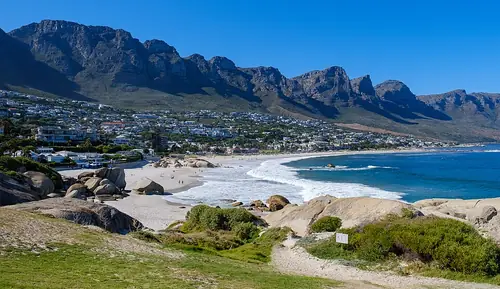
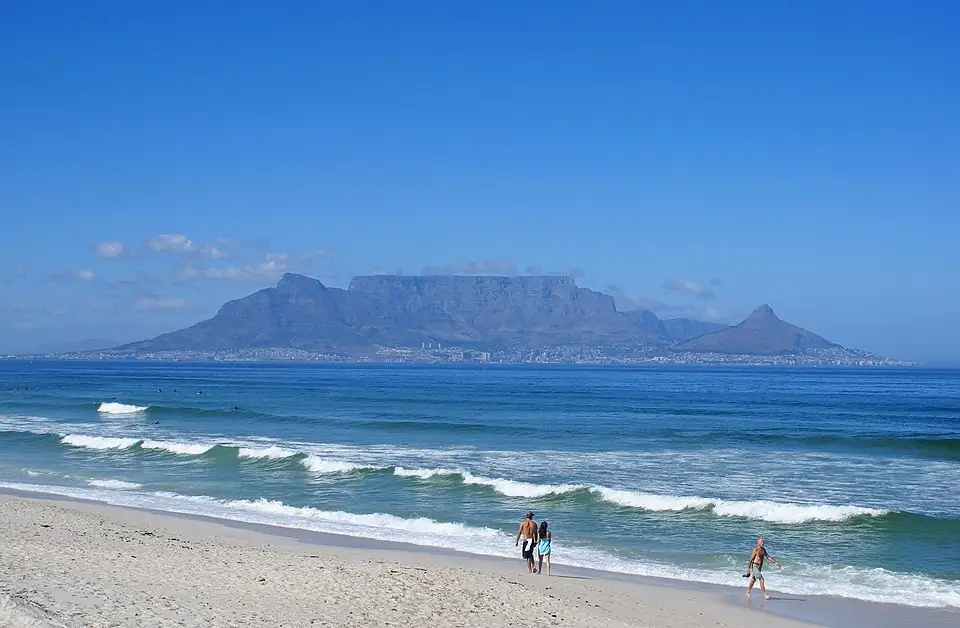
Cape Town is the scenic gateway beneath Table Mountain, with beaches, scenic countryside, and the Cape Peninsula on its doorstep. Kruger and its surrounding private reserves are the safari heartland. The Garden Route links them with forests, lagoons, and dramatic coast. Compare current rates anytime on our hotels hub.
Daily Budget for South Africa
| Category | Budget (US dollars) | Mid-Range (US dollars) | Comfort (US dollars) |
|---|---|---|---|
| Accommodation | 15 to 30 | 50 to 100 | 130 to 350 |
| Food (3 meals) | 10 to 18 | 25 to 50 | 60 to 120 |
| Transport | 8 to 15 | 20 to 45 | 55 to 120 |
| Activities | 8 to 18 | 25 to 60 | 70 to 200 |
| Daily Total | 40 to 70 | 100 to 200 | 350 to 800 |
A few notes that keep costs honest: the currency is the rand (ZAR), and the favorable exchange rate makes South Africa excellent value for many visitors. Self-catering and supermarket braai (barbecue) supplies keep food cheap, while a restaurant main with a fresh local juice is still very reasonable. A hired car is almost essential outside the cities (distances are big and public transport limited), so factor in fuel. Game drives and a self-drive day in Kruger are far cheaper than a private lodge package, and many of the best experiences, from Table Mountain hikes to coastal drives, cost little.
Stay Connected and Safe: eSIM and VPN
Skip the airport SIM counter. A travel eSIM gives you fast data the moment you land at CPT or JNB, which matters when you’re navigating between towns, checking park gate times, or booking a last-minute game drive. Coverage is strong 4G/5G in cities and towns, patchier in remote reserves and on long rural roads.
- Activate before you fly: data works on arrival
- Plans for 200+ countries from a few dollars
- Keep your number; no physical SIM swap
South Africa offers plenty of open Wi-Fi in hotels and cafes, and a VPN keeps your banking and logins private on those public networks while letting you reach your usual streaming and home services. Set it up before you fly.
- Up to 10 devices on one account
- Obfuscated servers for networks that block VPNs
- 30-day money-back guarantee
For the full rundown, see our guides to the best travel eSIM and VPN.
Tours & Activities: South Africa
Skip the ticket queues and pre-book the best local tours, day trips and skip-the-line attractions.
Frequently Asked Questions
What is the best time to visit South Africa?
It depends on your goal. For safari in Kruger, the dry winter (May to September) is best as animals gather at waterholes. For Cape Town beaches and the scenic countryside, the warm, dry summer (November to March) is ideal. May and September are great all-rounders.
What is the cheapest time to visit South Africa?
The winter shoulder months (May, June, and early September) are usually cheapest, outside the European summer-holiday and local December peaks. Cape Town’s rainy winter keeps coastal prices down.
When is the best time for a safari in South Africa?
The dry winter from May to September is prime safari season in Kruger. Sparse vegetation and animals clustering at waterholes make wildlife easy to spot, with fewer mosquitoes. The green summer is lush but harder for sightings.
When is whale-watching season in South Africa?
Southern right whales visit the Western Cape coast, especially Hermanus, from roughly June to November, with the best viewing usually August to October. It overlaps with Cape Town’s winter wildflower season and off-peak prices.
How much does a trip to South Africa cost per day?
Budget travelers manage on 40 to 70 US dollars a day; mid-range travelers should plan for 100 to 200, more with a safari lodge. See the cost table above for the full breakdown.
Do I need a visa to visit South Africa?
Many nationalities including the UK, US, EU, and Canada enter visa-free for up to 90 days; you need a passport valid for at least 30 days beyond your stay with blank pages. Always check your own nationality’s current rules before booking.
Start Planning Your South Africa Trip
The best time to visit South Africa comes down to what you want to see. Dry winter (May to September) is unbeatable for safari and whales; warm summer (November to March) belongs to Cape Town’s beaches and Winelands; and May and September give you the best of both with fewer crowds and softer prices. Match the month to your wallet and South Africa packs more variety into one trip than almost anywhere on earth.
Compare prices now and lock in your dates:
Find cheap flights to South Africa | Compare South Africa hotel prices