Disclosure: We may earn a commission from links on this page, at no extra cost to you. How we earn
This article contains affiliate links. If you make a booking through these links, we may earn a commission at no extra cost to you. About & Affiliate Disclosure
Quick Answer
- Al Boraq high-speed train (Tangier-Casablanca, around 320 km/h): around 2h10, fares around 120-160 MAD 2nd class (around $12-16) to around 200-250 MAD 1st class (around $20-25).
- Al Atlas conventional line (Marrakech-Casablanca-Rabat-Fes): around 2h40-3h, fares around 90-150 MAD 2nd class (around $9-15) to around 130-240 MAD 1st class (around $13-24). Book both via oncf.ma or the ONCF Voyages app.
- CTM and Supratours buses cover routes the railway skips (Chefchaouen, Essaouira, the Atlas foothills) at broadly similar fares to the trains.
- Shared grand taxis run fixed inter-town routes and leave once full; Marrakech to Essaouira runs around 80-120 MAD per seat (around $8-12).
- Petit taxis are metered by law: day rates start around 1.70 MAD with a around 7 MAD minimum; night rates (around 8pm-8am) run roughly 50% higher. A typical in-town Marrakech ride costs around 20-30 MAD (around $2-3).
- Car rental (Hertz, Avis, Europcar, Sixt, local firms) needs only your home licence and passport. Morocco drives on the right.
Getting Around Morocco: The System Nobody Explains Properly
A petit taxi driver outside a riad in Gueliz will often reach for the door before a word is said, naming a flat price roughly double what the meter would show. Saying “compteur, s’il vous plaît” (meter, please) and pointing at the dash box usually settles it without argument: the driver flips it on, and the ride to the Medina comes in around 25 MAD. No drama, no argument, just a driver testing whether the passenger knows the rules.
That’s the thing about Morocco’s transport: it isn’t one system, it’s four running side by side, and almost nobody explains up front which one to use for which leg. ONCF’s trains own the big city corridors: Tangier, Casablanca, Rabat, Fes and Marrakech are all linked by rail, and the newer high-speed line has genuinely changed how fast the north moves. CTM and Supratours buses pick up everywhere the tracks don’t reach, including the coastal and mountain towns most first-timers actually want to see. Grand taxis handle the short hops between towns that are too small for a bus schedule but too far to walk. And inside any city, it’s petit taxis (cheap, metered, everywhere) doing the work Uber does elsewhere. Get the split right and Morocco moves fast and stays affordable. Get it wrong and you’ll overpay for a ride a local would’ve had for a third of the price.
ONCF Trains: Al Boraq High-Speed and the Al Atlas Line
Morocco’s national rail operator, ONCF, runs the backbone of intercity travel, and 2026 is a genuinely good year to rely on it. The Al Boraq high-speed line (Africa’s first, running at around 320 km/h) connects Tangier and Casablanca (via Rabat) in around 2h10, a trip that used to take most of a day by road. Fares run around 120-160 MAD in 2nd class (around $12-16) and around 200-250 MAD in 1st class (around $20-25) when booked ahead, since promotional fares sell out fast.
For the classic tourist triangle of Marrakech, Casablanca, Rabat and Fes, the conventional Al Atlas line does the job at a gentler pace: around 2h40 to 3h end to end, with fares around 90-150 MAD in 2nd class (around $9-15) and around 130-240 MAD in 1st class (around $13-24) depending on the exact segment. Both lines are bookable through oncf.ma or the ONCF Voyages app, and it’s worth booking a few days ahead in peak season (spring and autumn) since the cheapest fare tiers move quickly.
CTM and Supratours Buses: Where the Railway Doesn’t Go
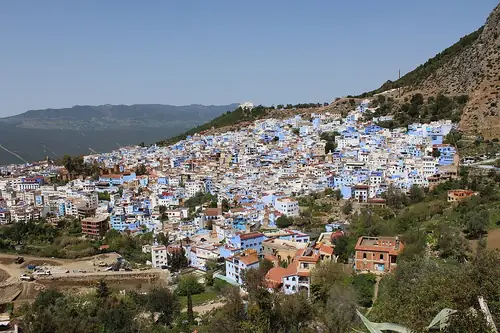
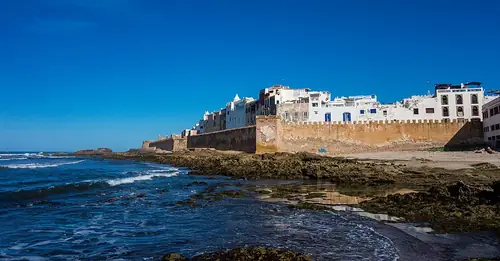
Morocco’s two prettiest add-on stops, the blue-washed hill town of Chefchaouen and the windswept coastal town of Essaouira, sit off the rail network entirely, which is exactly where CTM (booked at ctm.ma) and Supratours (booked through ONCF’s own platform) earn their keep. Both run comfortable, air-conditioned coaches at fares broadly in line with the trains for a comparable distance, and they’re the standard way to link Fes with Chefchaouen or Marrakech with Essaouira if you’d rather not share a grand taxi.
The trade-off versus the train is mostly about certainty: buses run to a published timetable rather than the “leave once full” model of a grand taxi, but they take a little longer than the equivalent rail distance would, since the roads wind through the Rif or along the coast rather than running the straighter rail corridors. For a first Morocco loop pairing Marrakech and Fes with one of these coastal or mountain add-ons, budget the bus leg as a half-day of travel rather than a quick hop.
Grand Taxis and Petit Taxis: Between Towns and Around Them
Once you’re off the train or bus, Morocco’s taxi system splits cleanly into two very different vehicles doing two very different jobs.
Grand taxis are the older Mercedes sedans (or similar) that run fixed routes between towns, departing once all the seats are filled rather than on a schedule, so there’s often a short wait while the driver rounds up the last passenger. Marrakech to Essaouira, a popular half-day coastal escape, costs around 80-120 MAD per seat (around $8-12). You can also pay for the empty seats yourself to charter the whole car and leave immediately, which costs more but skips the wait.
Petit taxis are the small, city-only cabs (usually a distinctive local color per city), and by Moroccan law they’re metered. Daytime meters (roughly 8am-8pm) start around 1.70 MAD with a 7 MAD minimum fare; night meters (around 8pm-8am) start around 2.55 MAD with a 10 MAD minimum, roughly 50% higher than day rates. A typical short in-town ride in Marrakech comes to around 20-30 MAD (around $2-3). Some drivers will float a flat fare to tourists before starting the meter; asking for “le compteur” (the meter) is normal and usually settles it without friction.
The airport transfer is where these systems meet for most visitors: a petit taxi from Marrakech Menara (RAK) into the Medina or Gueliz runs a fixed, regulated fare of around 100-150 MAD (around $10-15) by day, or around 150-240 MAD (around $15-24) at the roughly 50% higher night tariff, for about 6 km and 15-20 minutes, so agree the fare before your bags go in the trunk. The budget alternative is airport bus #19, a flat around 30 MAD (around $3) fare with a ticket valid 15 days that includes a free return trip, taking around 35-50 minutes to reach Jemaa el-Fnaa.
Car Rental: Driving Yourself Into the Atlas and Beyond
Trains, buses and taxis cover the cities and the classic routes between them, but a rental car is the only practical way to reach places like the Ourika Valley, the High Atlas villages around Imlil, or a flexible desert loop on your own schedule. International brands Hertz, Avis, Europcar and Sixt all operate in Morocco alongside local agencies, and all you need is your home country driving licence and a passport; most nationalities don’t need a separate international driving permit.
The one thing every self-driver needs to internalize before pulling out of the rental lot: Morocco drives on the right, same as continental Europe and North America. Roads between major cities are generally well maintained, though mountain routes into the Atlas involve switchbacks worth taking slowly, and city driving (especially inside Marrakech’s Medina, which is largely car-free anyway) is best avoided in favor of walking or a petit taxi.
Frequently Asked Questions
What is the fastest way to travel between Moroccan cities?
ONCF’s Al Boraq high-speed train covers Tangier to Casablanca (around 320 km/h) in around 2h10, with fares around 120-160 MAD in 2nd class (around $12-16) and around 200-250 MAD in 1st class (around $20-25) if booked ahead on oncf.ma. The conventional Al Atlas line links Marrakech, Casablanca, Rabat and Fes in around 2h40-3h for around 90-240 MAD depending on class.
How do I get from Marrakech airport to the Medina?
A regulated petit taxi from Marrakech Menara (RAK) to the Medina or Gueliz runs around 100-150 MAD (around $10-15) by day, or around 150-240 MAD (around $15-24) at night, for a roughly 6 km, 15-20 minute ride, and the fare should be agreed before you get in. Airport bus #19 is the budget option at around 30 MAD (around $3) flat fare, taking around 35-50 minutes to Jemaa el-Fnaa, with the ticket valid 15 days and a free return trip included.
Are Marrakech’s petit taxis metered?
Yes, by law. Daytime (around 8am-8pm) meters start around 1.70 MAD with a around 7 MAD minimum fare; night meters (around 8pm-8am) start around 2.55 MAD with a around 10 MAD minimum, roughly 50% higher than day rates. A typical in-town ride costs around 20-30 MAD (around $2-3); ask the driver to run the meter rather than negotiating a flat price for short hops.
What is a grand taxi and how does it work in Morocco?
A grand taxi is a shared taxi that runs a fixed route between two towns and departs once all seats are filled, rather than on a schedule. Marrakech to Essaouira, for example, costs around 80-120 MAD per seat (around $8-12). You can also charter the whole vehicle for a private, more flexible departure at a higher combined fare.
Can I rent a car and drive myself around Morocco?
Yes. International firms including Hertz, Avis, Europcar and Sixt operate alongside local agencies, and all you need is your home driving licence plus your passport; no international driving permit is required for most nationalities. Morocco drives on the right, and a rental car is most useful for reaching the Atlas Mountains, the Ourika Valley or desert routes that trains and buses don’t cover directly.
Plan Your Morocco Transport Now
Book the Al Boraq or Al Atlas train for the big city-to-city legs, switch to CTM or Supratours for Chefchaouen and Essaouira, let a grand taxi handle the short inter-town hops, and keep a few dirham ready for petit taxis once you’re in a city; insist on the meter and you’ll rarely overpay. Add a rental car only if the Atlas or the desert is on your list.
Find flights into Marrakech | Compare Marrakech hotels
Keep planning with the Morocco travel guide, the Morocco daily budget breakdown, the Morocco itinerary guide, the Marrakech, Fes, Chefchaouen and Essaouira city guides, a travel eSIM for checking live train and bus times on the move, a car rental comparison for Atlas and desert routes, and hotels near every stop on your route.