Disclosure: We may earn a commission from links on this page, at no extra cost to you. How we earn
This article contains affiliate links. If you make a booking through these links, we may earn a commission at no extra cost to you. About & Affiliate Disclosure
Quick Answer
- Best overall: spring (March to May) and autumn (September to November), warm days, cool nights, mid-season prices.
- Cheapest: July to August inland and deep January, when heat and cold thin the crowds.
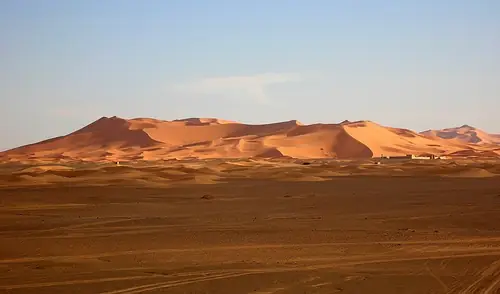
- Best for the Sahara: October to April, when desert days are bearable and nights are cool.
- Avoid for budget: Christmas and New Year, Easter week, and peak summer on the coast.
- Daily budget: 35 to 60 US dollars for backpackers, 80 to 150 for mid-range comfort.
The Best Time to Visit Morocco, in One Sentence
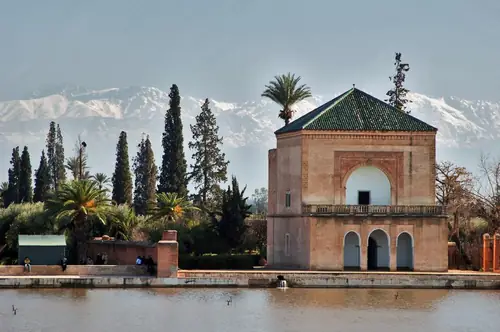
Late March in Marrakech brings the smell of orange blossom drifting over the Jemaa el-Fnaa as the call to prayer rolls across the rooftops and the snake charmers pack up for the night. It dodges both the summer furnace and the Christmas crowds, and the days are warm enough for the souks and cool enough to climb to the Atlas foothills without melting.
But you came for the answer, so here it is. The best time to visit Morocco is spring (March to May) and autumn (September to November), when days are warm but comfortable, nights are cool, and the desert, the coast, and the mountains are all in play at once. Flights and riads also sit below the December and Easter holiday peaks, so you save while getting the kindest weather of the year.
Honestly? Morocco is a year-round country if you pick your region right: the coast stays mild when Marrakech bakes, and the mountains stay cool in summer. This guide breaks down the cost and feel of every month so you can match the trip to your wallet and your tolerance for heat.
What to pack for Morocco
Four picks from our gear guides that suit this trip. Each card opens the live Amazon price; the links below lead to the full comparisons.
25 x 18 x 4 cm, 254 g, 2.1 L. Locking zips, a cut-resistant double-cable strap, an RFID passport pocket and a strap that clips to a chair. Reader’s Digest’s best crossbody for travel.
Check price on Amazon Live price on AmazonThe best value compression set going. A double-zip pulls the air out so a week of clothes shrinks to a few inches thick, and you get eight pieces (cubes plus a shoe and laundry bag) for roughly the price of one branded cube. The fabric is thin and the zips aren’t lifetime kit, but for the money nothing beats it.
Check price on Amazon Live price on AmazonThe reliable all-rounder: one USB-C and four USB-A ports, plugs for 200+ countries, and a built-in fuse with a spare. The adapter most people should buy.
Check price on Amazon Live price on AmazonModel A1259, 10,000mAh, about 37Wh, 215 g. Two phone charges in a jacket pocket, and small enough that the two-bank limit never becomes a question.
Check price on Amazon Live price on AmazonBuild your Morocco itinerary
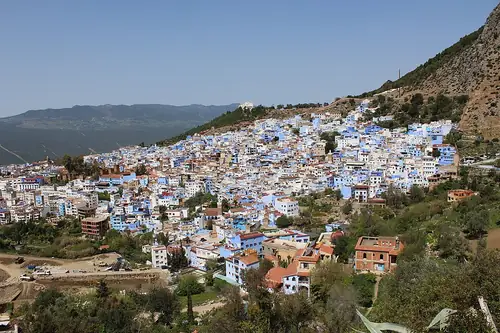
Most Morocco loops pair the imperial cities (Marrakech and Fes) with the Atlantic coast at Essaouira and the blue-washed Rif town of Chefchaouen. The thread that links the big cities is the train: Marrakech–Casablanca–Fes is a comfortable, cheap rail ride. The catch is that the two prettiest add-ons aren’t on the network: Chefchaouen and Essaouira are reached by bus or shared grand taxi, so build a little extra travel time into the plan.
Pick Marrakech or Fes as your anchor, then add a neighbor that fits the same week and the same weather.
| City | Best months | How long to stay | Pairs well with |
|---|---|---|---|
| Marrakech | Mar–May, Sep–Nov | 2–3 days | The hub: Atlas day trips, Essaouira, desert tours |
| Fes | Mar–May, Oct–Nov | 2 days | Chefchaouen (bus north), Meknes |
| Chefchaouen | Apr–Jun, Sep–Oct | 1–2 days | Fes (3–4 hrs by bus), the Rif |
| Essaouira | Apr–Oct (breezy, mild) | 1–2 days | Marrakech (a 2.5-hr coast escape) |
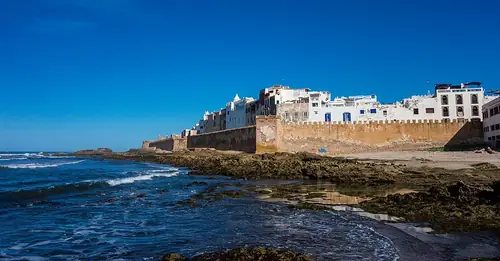
A few honest notes: Marrakech is the natural base, with the most flights, the most onward connections, and the easiest Atlas and desert excursions; Fes is the deeper, more medieval medina and slots together with Chefchaouen, which is a scenic bus ride north; and Essaouira is the windswept coastal breather an easy half-day from Marrakech when the inland heat gets too much.
Two routes that actually work:
- North loop, 10 days: Marrakech 3 (medina, Atlas day trip) → train up to Fes 2 (the old medina, the tanneries) → bus north to Chefchaouen 2 (the blue lanes, a Rif hike) → back down via Marrakech and out to Essaouira 2 (ramparts, beach, fresh grilled fish). Rail handles Marrakech–Fes; the Chefchaouen and Essaouira legs are bus or grand taxi, so leave half a day for each transfer.
- Marrakech + coast, 6 days: Marrakech 3 (souks, gardens, the Jardin Majorelle) → Essaouira 2 (a breezy coastal reset) → an Atlas day trip from Marrakech (Berber villages, waterfalls). It’s mostly road-based and keeps the driving short.
One timing warning that’s easy to underestimate: summer inland is brutal. Marrakech and the desert routinely top 40 C from June to August, so if you’re traveling then, lean on the coast and the mountains and save the Sahara for October to April. Use the per-city guides in the cards below to go deeper on each stop before you lock in the order.
Top Cities to Explore
Morocco’s Seasons and What They Cost
Morocco runs on big contrasts: searing inland summers, mild Atlantic coast, snow-capped Atlas peaks, and a desert that swings from baking days to freezing nights. Prices follow the European holiday calendar more than the local weather, which is good news if you know where the gaps are.
Spring (March to May): The Sweet Spot
This is the season to plan around. Marrakech and Fes sit around 22 to 28 C, the Atlas Mountains shed their snow into green valleys, and the desert is still comfortable. Wildflowers blanket the countryside and the Rose Festival in the Dades Valley lands in May. Prices are mid-range: higher around Easter week, softer either side. It’s the best all-rounder if you want to combine cities, mountains, and a desert night.
Summer (June to August): Hot Inland, Mild on the Coast
Inland turns brutal: Marrakech, Fes, and the desert routinely top 38 to 42 C, and the Sahara becomes genuinely dangerous at midday. But this is exactly why summer is cheap inland. The clever move is the Atlantic coast: Essaouira and Agadir stay a breezy 22 to 26 C, and Essaouira’s Gnaoua music festival in June is a highlight. Mountain towns like Imlil also stay cool.
Autumn (September to November): The Other Sweet Spot
Autumn mirrors spring: the inland heat breaks, days settle into the mid-20s, and the desert becomes glorious again. September can still be warm, while November cools toward winter. Crowds and prices are moderate, making it the top pick for a desert-focused trip with clear, starry nights.
Winter (December to February): Cool Cities, Cold Desert, Cheap
Outside the Christmas and New Year spike, winter is cheap. Marrakech days reach a pleasant 18 to 20 C but nights drop near freezing, the High Atlas gets real snow (you can ski at Oukaimeden), and the desert is cold after dark. The coast stays mild. Pack layers, since riads are often unheated and stone-cold at night.
Month-by-Month Guide to Visiting Morocco
Use this as your at-a-glance planner before the detailed notes below.
| Month | Weather | Crowds | Prices | Best for |
|---|---|---|---|---|
| January | Cool days, cold nights | Low | Low | Budget cities, Atlas skiing, deals |
| February | Cool, almond blossom | Low | Low | Cheap fares, mild sightseeing |
| March | Warming, green hills | Rising | Mid | Spring start, comfortable desert |
| April | Warm, lovely (Easter peak) | High | Mid-high | Classic spring trip, festivals |
| May | Warm, dry, roses | High | Mid-high | Best weather, mountains, desert |
| June | Hot inland, coast mild | Moderate | Mid | Coast, Gnaoua festival, mountains |
| July | Very hot inland | Moderate | Low inland | Cheap inland, Atlantic beaches |
| August | Very hot inland, busy coast | High on coast | Low inland | Coast escapes, mountain cool |
| September | Easing heat, lovely | Rising | Mid | Desert, post-summer value |
| October | Warm days, cool nights | Moderate | Mid | Sahara, all-round travel |
| November | Mild, clear, quieter | Moderate | Mid | Desert nights, autumn value |
| December | Cool, festive spike late | Low then high | Low then peak | Cheap early-month, holiday markets |
A few things the table can’t capture: Marrakech’s average highs run from about 18 C in January to 37 C in July, with desert days topping 42 C in summer. Two festivals are worth timing a trip around: the Dades Valley Rose Festival in May and Essaouira’s Gnaoua music festival in June. October to April is the comfortable window for the Sahara, while January’s High Atlas snow opens skiing at Oukaimeden.
Find Cheap Flights to Morocco
Marrakech (RAK) is the main tourist gateway, but Casablanca (CMN) is the largest hub and often cheaper for long-haul, with Fes (FEZ) and Agadir (AGA) handy for regional bases. From Europe, budget carriers like Ryanair, easyJet, and Transavia serve Morocco cheaply and frequently; from North America, Royal Air Maroc flies direct to Casablanca.
Use the live calendar below to spot the cheapest departure dates at a glance, then compare across months.
Tips for cheaper flights:
- Book 2 to 4 months ahead for spring and autumn; European school holidays push fares up.
- Compare gateways. Flying into Casablanca and taking the train to Marrakech can beat a direct RAK fare.
- Travel midweek and mid-season. Tuesday and Wednesday departures in February or November are routinely cheapest.
- Watch budget carriers. Ryanair and easyJet run frequent low-cost routes from across Europe.
- Avoid Christmas, New Year, and Easter. These carry the steepest fares and busiest riads.
For more route ideas and fare hacks, browse our full flights hub.
When Prices Are Lowest: Best Time for Budget Travelers
Target these windows for the cheapest trips:
July and August inland are the cheapest stretch for Marrakech and Fes, simply because the heat scares people off. A riad that runs 90 US dollars a night in April can drop well below 60 in August. You trade comfort for 40 C afternoons, so plan early starts and long siestas.
Deep January and February deliver low prices with cool, bright city days, though nights are cold and many riads are unheated. Pack layers and you’ll find some of the best riad bargains of the year.
Early December (before the holiday rush) and the post-Easter weeks in late spring are also strong value if you want kinder weather than peak summer.
Steer clear of Christmas and New Year, Easter week, and the busy August coast for the lowest rates.
A Note on Ramadan
Ramadan is worth planning around. During the holy month many local cafes and restaurants close during daylight, the pace of daily life slows, and some sights keep shorter hours, though tourist riads and hotels carry on serving meals. The dates move about 11 days earlier each year following the lunar calendar; in 2026 Ramadan falls roughly from mid-February to mid-March. The upside is the atmosphere: at sunset the streets empty for the iftar meal, then come alive late into the night. Travel is perfectly doable, just be respectful and patient.
Regional Differences: Marrakech vs the Coast vs the Desert
Morocco packs deserts, mountains, and ocean into one country, so the same week feels wildly different by region.
| Region | Best months | Notes |
|---|---|---|
| Marrakech & Fes | Mar to May, Sep to Nov | Hot in summer, cool nights in winter |
| Atlantic coast (Essaouira, Agadir) | Jun to Sep | Breezy and mild when inland bakes |
| Sahara (Merzouga, Zagora) | Oct to Apr | Bearable days, cold nights; avoid summer |
| High Atlas (Imlil, Toubkal) | Apr to Oct (hike), Dec to Feb (ski) | Snow in winter, cool refuge in summer |
The headline: if you travel in high summer, head for the coast or the mountains and leave the desert for cooler months. For a desert-and-cities trip, spring and autumn give you everything in comfort.
Where to Stay in Morocco
Where you sleep shapes both your budget and your experience, and Morocco’s signature stay is the riad, a traditional house built around a courtyard, tucked into the old medina. Marrakech alone has very different neighborhoods.
| Area | Vibe | Budget room | Best for |
|---|---|---|---|
| Marrakech (Medina) | Riads, souks, atmosphere | 30 to 70 US dollars/night | First-timers, culture, walkability |
| Marrakech (Gueliz) | Modern, cafes, calmer | 35 to 75 US dollars/night | Comfort, quiet, restaurants |
| Fes (Medina) | Maze-like old city, crafts | 25 to 60 US dollars/night | History, artisans, authenticity |
| Essaouira | Windswept coast, relaxed | 30 to 65 US dollars/night | Beaches, seafood, music, breeze |
| Chefchaouen | Blue mountain town | 20 to 50 US dollars/night | Photography, hiking, slow pace |
Marrakech is the high-energy gateway, all souks and rooftop terraces. Fes is the older cultural heart with the world’s largest car-free medina. Essaouira is the laid-back coastal antidote, and Chefchaouen the famous blue-washed mountain escape. Compare current rates anytime on our hotels hub.
Daily Budget for Morocco
| Category | Budget (US dollars) | Mid-Range (US dollars) | Comfort (US dollars) |
|---|---|---|---|
| Accommodation | 12 to 25 | 40 to 80 | 100 to 250 |
| Food (3 meals) | 8 to 15 | 20 to 40 | 50 to 100 |
| Transport | 5 to 10 | 15 to 30 | 40 to 90 |
| Activities | 8 to 15 | 20 to 40 | 50 to 120 |
| Daily Total | 35 to 60 | 80 to 150 | 250 to 550 |
A few notes that keep costs honest: the currency is the dirham (MAD), and it’s a cash-first country, so carry small notes for taxis, tips, and the souks. A bowl of harira soup or a street tagine runs 20 to 40 dirham, mint tea is everywhere and cheap, and haggling is expected in the markets, so start low and stay friendly. Grand taxis and trains between cities are inexpensive, and many of Morocco’s best moments, from wandering the medina to watching the sunset over the dunes, cost very little.
Stay Connected and Safe: eSIM and VPN
Skip the airport SIM counter. A travel eSIM gives you fast data the moment you land at RAK or CMN, which matters when you’re navigating the medina’s unmarked alleys, agreeing a taxi fare, or finding your riad down a lane with no street sign. Coverage is solid 4G in cities and along main roads, patchier deep in the desert.
- Activate before you fly: data works on arrival
- Plans for 200+ countries from a few dollars
- Keep your number; no physical SIM swap
Morocco offers plenty of open Wi-Fi in riads and cafes, and a VPN keeps your banking and logins private on those public networks while letting you reach your usual streaming and home services. Set it up before you fly.
- Up to 10 devices on one account
- Obfuscated servers for networks that block VPNs
- 30-day money-back guarantee
For the full rundown, see our guides to the best travel eSIM and VPN.
Frequently Asked Questions
What is the best time to visit Morocco?
Spring (March to May) and autumn (September to November) are the best overall, with warm but comfortable days, cool evenings, and fewer extremes than summer or winter. These shoulder seasons also bring milder prices than the December and Easter peaks.
What is the cheapest time to visit Morocco?
Mid-summer (July and August) inland and the depths of January are usually cheapest, because the Marrakech heat and the cool winter put off many travelers. The catch is 38 to 42 C desert days in summer and chilly nights in winter.
When is the best time to visit the Sahara desert?
October to April is the comfortable window for the Sahara around Merzouga and Zagora. Daytime highs are bearable and nights are cool to cold. Avoid June to August, when desert days top 45 C.
How does Ramadan affect travel in Morocco?
During Ramadan many cafes close in daylight hours and the pace slows, though tourist riads keep serving. The dates shift about 11 days earlier each year; in 2026 Ramadan falls roughly from mid-February to mid-March. Evenings come alive with the iftar meal.
How much does a trip to Morocco cost per day?
Budget travelers manage on 35 to 60 US dollars a day; mid-range travelers should plan for 80 to 150. See the cost table above for the full breakdown.
Do I need a visa to visit Morocco?
Most visitors from the EU, UK, US, and Canada enter visa-free for up to 90 days; you just need a valid passport. Always check your own nationality’s current rules before booking.
Start Planning Your Morocco Trip
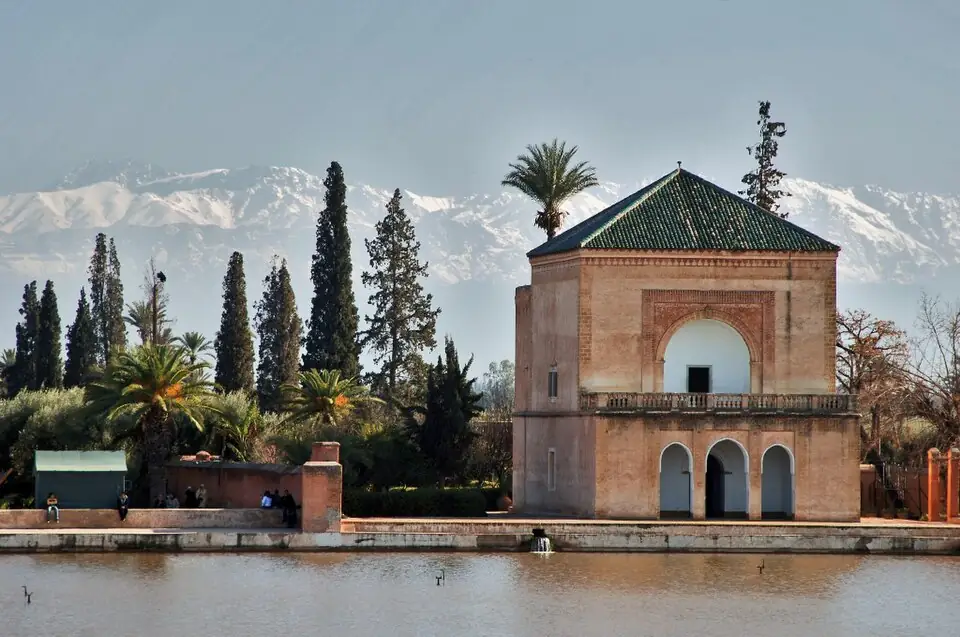
The best time to visit Morocco comes down to your priorities. Spring and autumn give you the kindest weather across cities, mountains, and desert at fair prices; summer is cheap inland if you escape to the coast; and only the holiday peaks truly cost a premium. A late-March trip pairs orange blossom and warm souks with snow still glinting on the Atlas. Match the month to your wallet and Morocco rewards you many times over.
Compare prices now and lock in your dates:
Find cheap flights to Morocco | Compare Morocco hotel prices